Pro-voters seek immediate block to government policy that created voter data lists
 Prefer us on Google
to see more of our voting rights news coverage when you search.
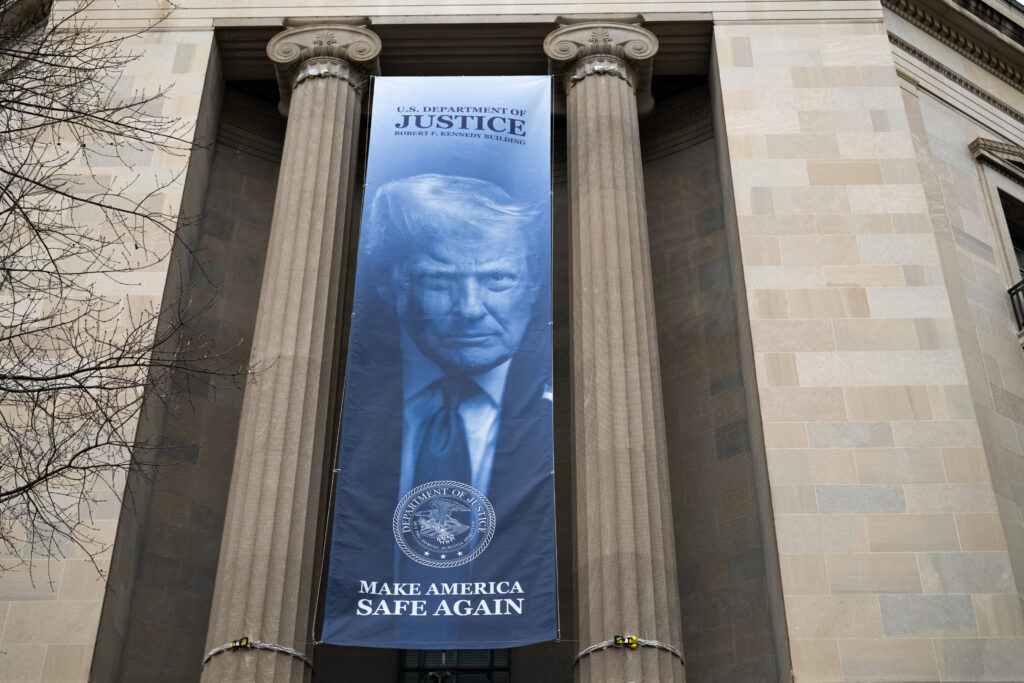
Voting advocates filed a motion Thursday to block the federal policy on compiling voter data lists that the Trump administration claims identify likely noncitizens.
The policy has been used to target voters across the nation, with prominent attacks in California and Washington state. The government has demanded tens of thousands of ballots be set aside in California until it can verify voter citizenship status, in a move pro-voters claim violates crucial privacy protections and threatens democracy at its core.
The League of Women Voters argue the policy is the “newest iteration” of the federal government’s attempts to subvert state control of elections through illegal interference. Without a block, they say the government will “erroneously disenfranchise lawful voters,” with Election Day now four days away.
Get updates straight to your inbox — for free
Join 350,000 readers who rely on our daily and weekly newsletters for the latest in voting, elections and democracy.
“Defendants’ unprecedented Voter Transmission Policy threatens millions of Americans’ fundamental voting and privacy rights and risks throwing our nation into electoral chaos,” the League of Women Voters wrote on behalf of all plaintiffs in its motion for a temporary restraining order.
The motion targets the Voter Data Transmission Policy, which the DOJ claims uses a seven-step process to identify “likely noncitizens registered to vote,” as it did for the 20,000 people it flagged in California.
The Department has suffered repeated legal losses in its California challenge, with federal judges repeatedly questioning the government’s demands. U.S. District Judge David Carter this week ruled against the DOJ’s request to set aside California’s ballots in a scathing opinion.
Pro-voters argue the government’s policy has resulted in “demonstrably unreliable” lists, referencing known inaccuracies within the adjacent Systemic Alien Verification for Entitlements (“SAVE”) program.
The DOJ has admitted in legal proceedings that its lists could contain errors. And DOJ attorney Matthew Donnelly could not say whether its latest lists were compiled using SAVE, during a Ninth Circuit hearing Sunday.
Plaintiffs argue it is still unclear how the policy functions in its entirety, pointing to a lack of transparency as a throughline for the data grab.
“DHS has implemented the Voter Data Collection Policy in secret,” plaintiffs wrote. “Only disclosures made in other litigation have provided any meaningful visibility into how DHS is acquiring millions of Americans’ voter records or what it is doing with them. Even now, the public lacks key information about the policy’s scope, operation, and safeguards.