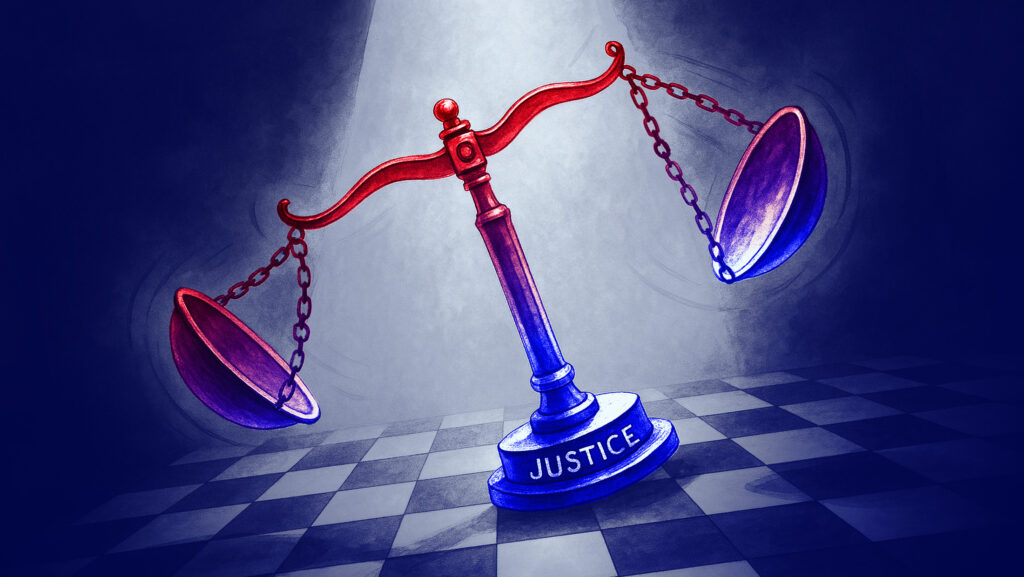
Purcell is not a legal principle. It’s a double standard
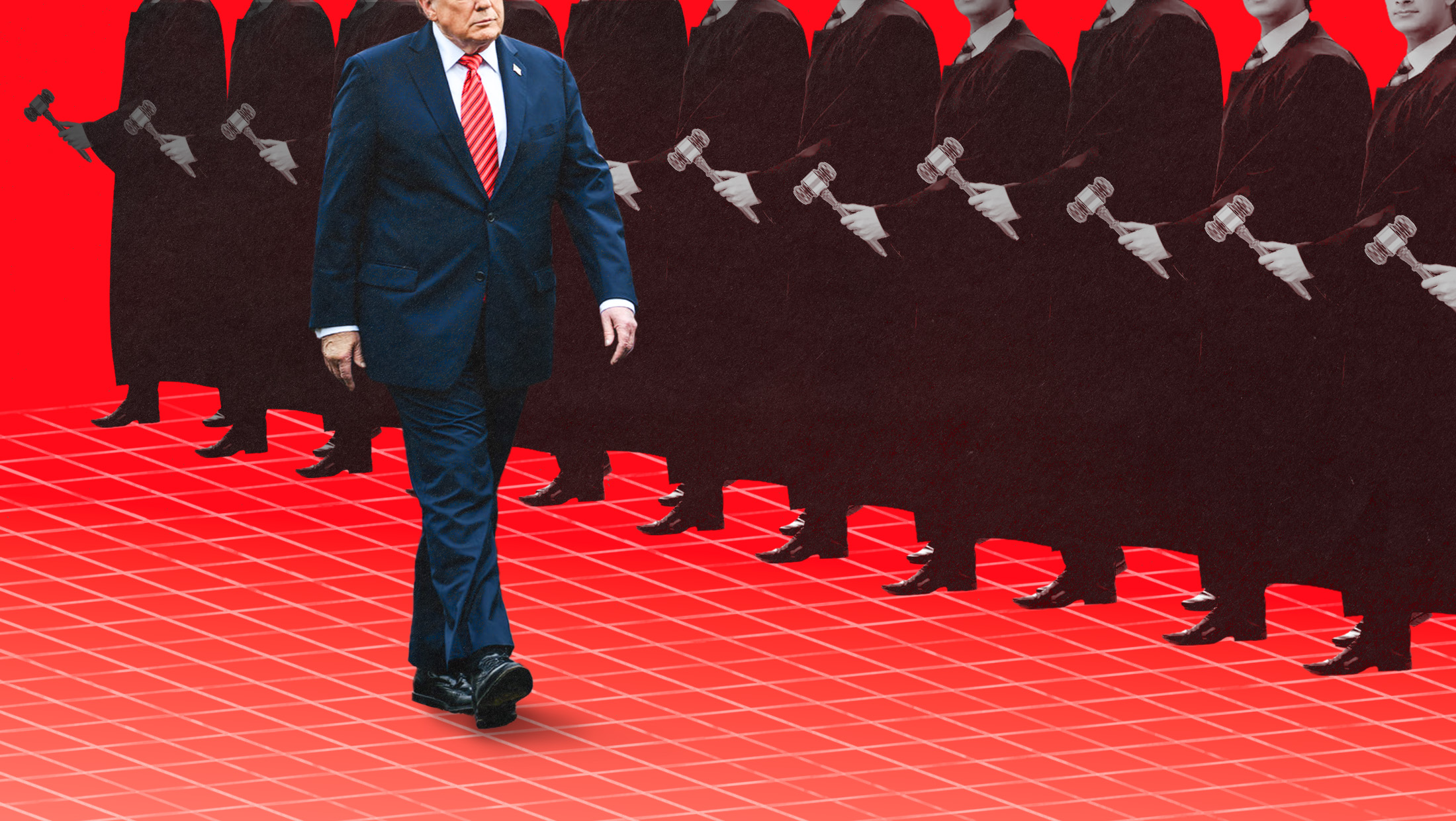
At the heart of these cases is the Purcell principle — the idea that courts should avoid changing voting or election rules too close to an election.
Read in-depth op-eds on voting rights and democracy from our contributors, guest authors and Democracy Docket's founder, Marc Elias. Use the drop-down menu to organize by topic.
At the heart of these cases is the Purcell principle — the idea that courts should avoid changing voting or election rules too close to an election.
The Court’s action to dismantle Section 2 of the Voting Rights Act wasn’t in isolation. It is part of a broader recalibration of rights in this country.
The foundation of our democracy is burning to the ground. It did not begin with Donald Trump, but he stoked the flames. The conservative Roberts Court did not light the match, but it has repeatedly declared fire hydrants, sprinklers and smoke detectors illegal.
The shadow docket has grown in scope and importance in a range of areas of the law. But none has been as important or as overlooked as the area of redistricting.
Redistricting is, in nearly every respect, a zero-sum game. When you remove a guardrail, the consequences are immediate and trigger others.
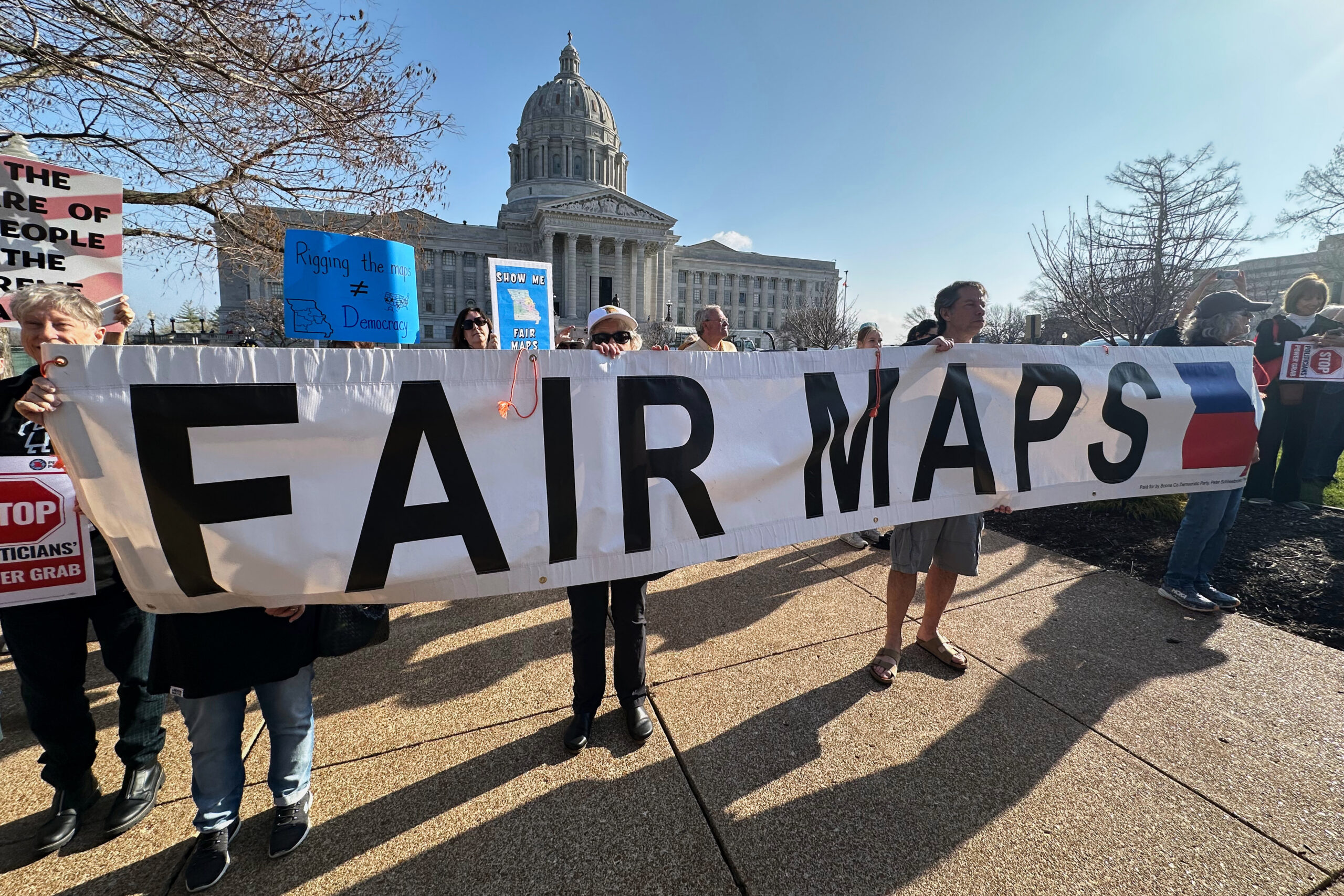
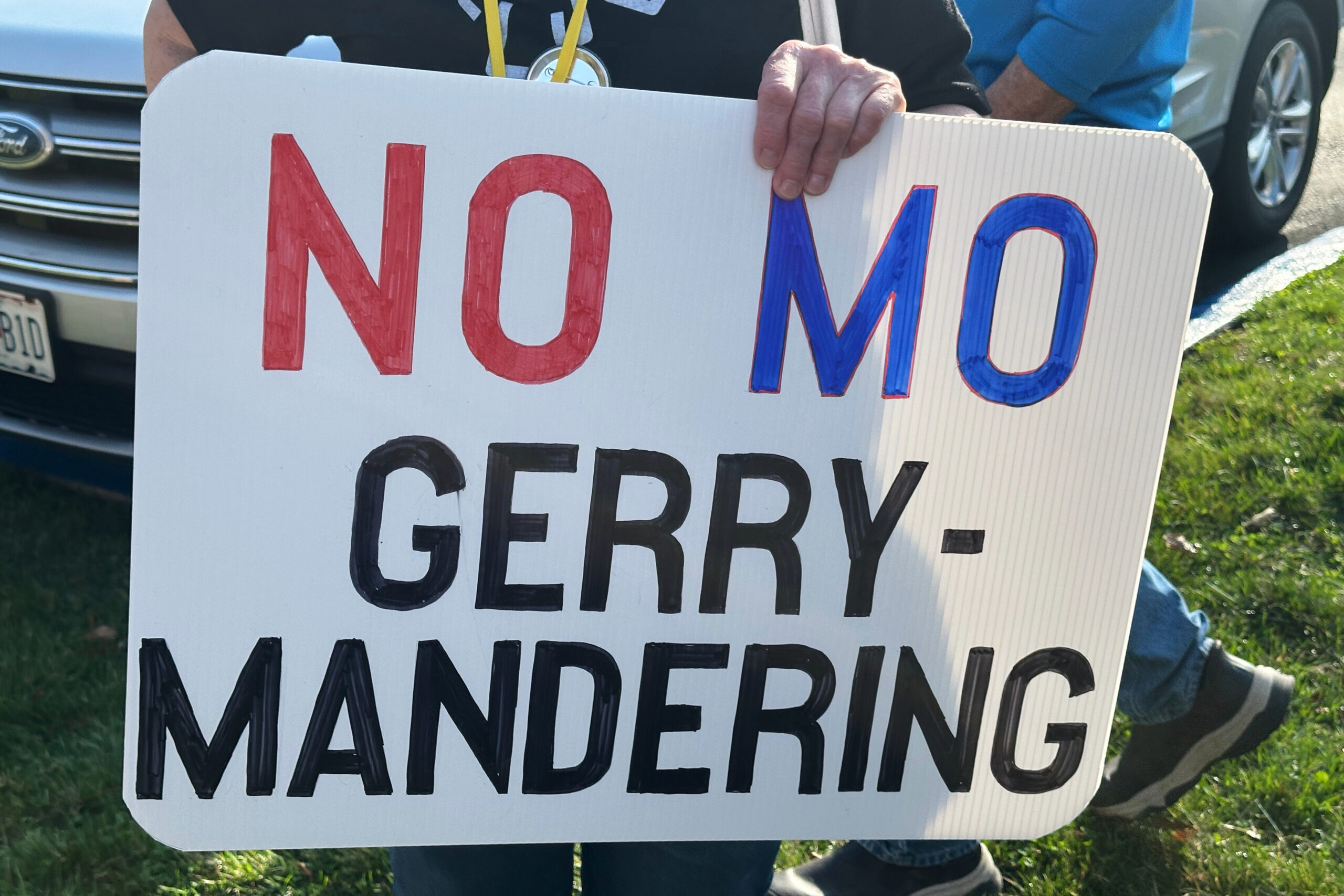
Fair maps are not a technical issue. They are a safeguard for all our rights and a check on entrenched political interests.
The media’s insistence that Trump’s critics are part of the problem gives cover to false equivalence — treating his lawlessness as one side of a legitimate debate.
Despite the will of the voters, Republicans have turned to the courts to overturn the election and discard the results.
The citizens of Virginia voted for a new map that will net Democrats an additional 4 congressional seats.
North Carolina voters could be forced to prove their citizenship at the ballot box this November.
Page 1 of 54