DOJ demands ruling by Friday on emergency bid to stop California from counting ballots from alleged noncitizens
 Prefer us on Google
to see more of our voting rights news coverage when you search.
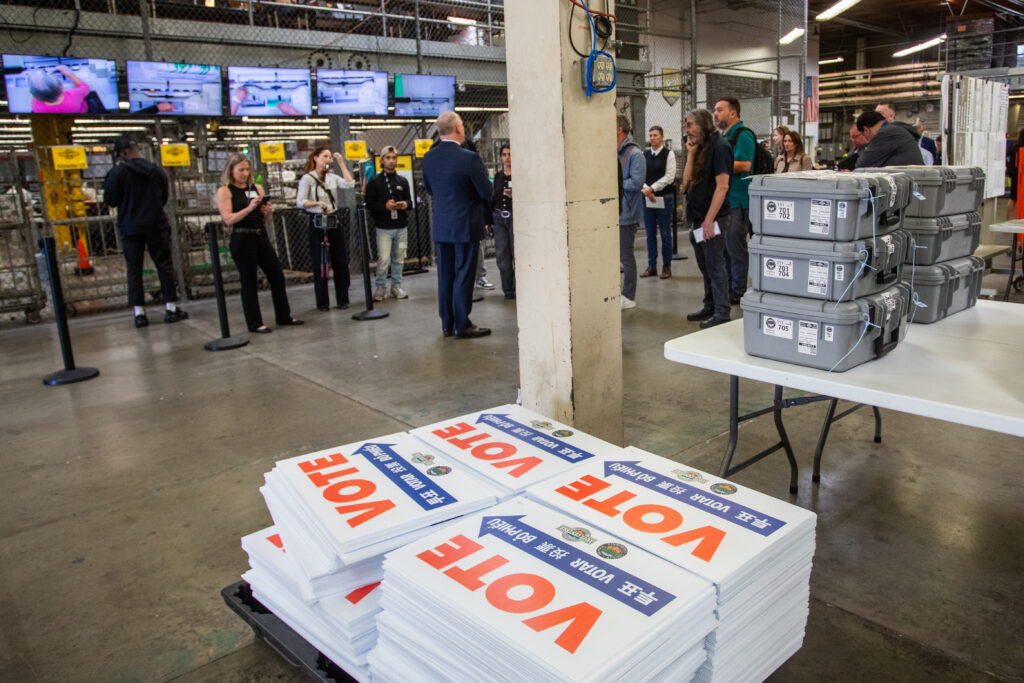
The Department of Justice (DOJ) wants a federal appeals court to rule by Friday on its emergency bid to stop California from counting ballots from 20,000 people the Trump administration alleges are “likely noncitizens.”
“The United States seeks this relief to prevent unlawful dilution of American citizens’ votes and to protect the integrity of our elections,” the DOJ wrote in a new filing to the Ninth Circuit.
The self-imposed deadline may be an effort by the Trump administration to speed the case to the U.S. Supreme Court.
The DOJ has been trying to rush the case through before Election Day. Previously, it demanded a speedy ruling from a federal district court. When the judge didn’t meet the DOJ’s deadline, the Trump administration made an unusual appeal to the Ninth Circuit Court only to get rebuffed there.
The latest request comes one day after U.S. District Judge David Carter denied the administration’s request for a temporary restraining order to force California to set aside tens of thousands of ballots until the voters’ citizenship status can be confirmed.
Carter determined the DOJ was unlikely to succeed on the merits, including its sweeping assertion that federal law criminalizing noncitizen voting preempts states’ constitutional authority to conduct elections, and that it likely lacks standing and a valid cause of action.
Even further, Carter said the DOJ’s attempt to meddle in California’s ballot processing based on “unproven allegations” would “wreak havoc” on democracy.
Get updates straight to your inbox — for free
Join 350,000 readers who rely on our daily and weekly newsletters for the latest in voting, elections and democracy.
In Thursday’s filing to the Ninth Circuit, the Trump administration said at a minimum that Carter’s determination that the U.S. lacks standing and must have a statutory cause of action should be reversed. It also called Carter’s doubt about the reliability of the DOJ’s data “an abuse of discretion.”
The administration’s new appeal will be considered by the same three-judge panel that had rebuffed the DOJ’s initial appeal as premature given the district court hadn’t yet ruled. Despite ruling against the DOJ on procedural grounds, two judges voiced deep skepticism about the administration’s case.
The DOJ on Thursday noted the Ninth Circuit “is familiar with the background” as it requested an answer by Oct. 30.
Sam Siegel, the deputy solicitor general for California’s Department of Justice, urged the Ninth Circuit to reject DOJ’s request, noting that temporary restraining orders generally cannot be appealed and that the court just days ago said the Trump administration’s “claimed emergency, at least in part, is a self-constructed one.”
If the court does take up the appeal, Siegel said the state doesn’t see a need for further briefing and arguments.
While the Ninth Circuit considers DOJ’s request to block California from counting the disputed ballots, the district court will continue with the lawsuit alleging California has failed to remove alleged noncitizens from its voter rolls.
Carter set an expedited briefing schedule with a hearing set for Friday, Nov. 13. Carter wants all parties to submit a list of witnesses who can speak on the validity of the DOJ’s data and methodology for flagging alleged noncitizens by Nov. 6.