Wisconsin’s mail voting system violates the ADA, state judge rules
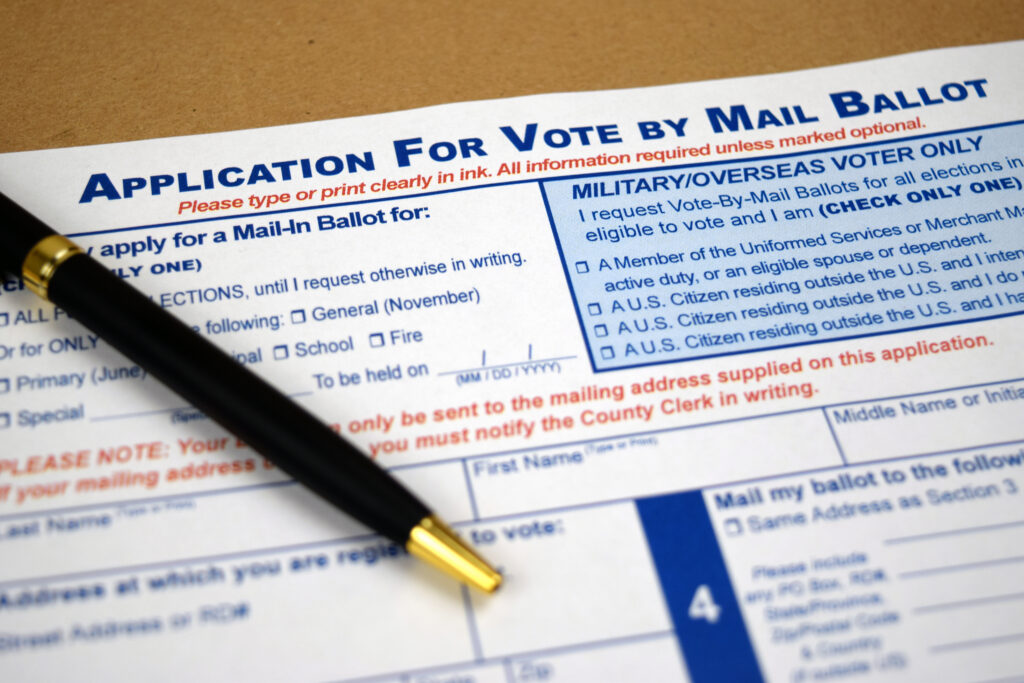
Wisconsin’s mail accommodations for voters with disabilities violate the Americans with Disabilities Act, a state judge ruled Wednesday – but he stopped short of endorsing the electronic voting system the plaintiffs preferred.
Dane County Circuit Court Judge Everett Mitchell ruled, in part, on summary judgment in the case brought by Disability Rights Wisconsin, the League of Women Voters of Wisconsin and individual voters.
“Wisconsin’s absentee ballot program allows non-disabled voters to vote privately and independently, but does not allow voters with print disabilities to do the same,” Mitchell wrote of the plaintiffs’ argument. “The Court agrees.”
Get updates straight to your inbox — for free
Join 350,000 readers who rely on our daily and weekly newsletters for the latest in voting, elections and democracy.
Because the Wisconsin Elections Commission is a public agency, it has to follow the ADA and ensure “reasonable accommodations” for voters with disabilities. Under Wisconsin’s current absentee voting system, it does not, Mitchell said.
To vote by mail in Wisconsin, first the voter has to get a paper ballot from a city official. Then they have to hand-mark the ballot, put it in an envelope, and finally, send the envelope back to the city clerk’s office.
This process, however, is not possible for voters with print disabilities like those with blindness or with disabilities affecting mobility.
One plaintiff, Tyler Engel, has a condition that does not let him hold a pen or a pencil. That means for him, a hand-marked ballot is simply not possible to complete.
Others in the disability community have expressed similar concerns when it comes to the future of accessible voting at large — which faces increasing threats from President Donald Trump’s attempts to dismantle mail voting and sow doubt in election software like ballot-marking devices.
Sachin Pavithran, the executive director of the U.S. Access Board, told Democracy Docket in a July interview that remote forms of voting such as electronic mail ballots would be the most accessible for him and other voters with disabilities.
“I was a huge proponent of remote electronic voting,” Pavithran said of his time advocating for accessible voting changes at the Election Assistance Commission. “It baffles me because we do all our personal finances and everything else in the same system, so people are comfortable with that, but they’re not comfortable in casting a vote.”
While Wednesday’s decision marks a win for voters with disabilities, Mitchell stopped short of ruling on the plaintiffs’ suggestion that voters with disabilities use electronic absentee ballots to vote.
Disability Rights Wisconsin pointed out that the state already uses this kind of absentee ballot for voters who are overseas or in the military. The pro-voting group also argued there have been no instances of security breaches when it comes to electronic voting.
“While Plaintiffs have indeed made a compelling case for the use of electronic ballots, the Court determines that there remains a genuine dispute of material fact with respect to whether their proposed accommodation is reasonable,” Mitchell wrote.
It’s not likely this issue of electronic voting will be decided before the state’s Aug. 11 primary and likely November general election, meaning voters with print disabilities will still face barriers for the upcoming vote.