Wisconsin warns USPS over ‘unusually long’ mail voting delays
 Prefer us on Google
to see more of our voting rights news coverage when you search.
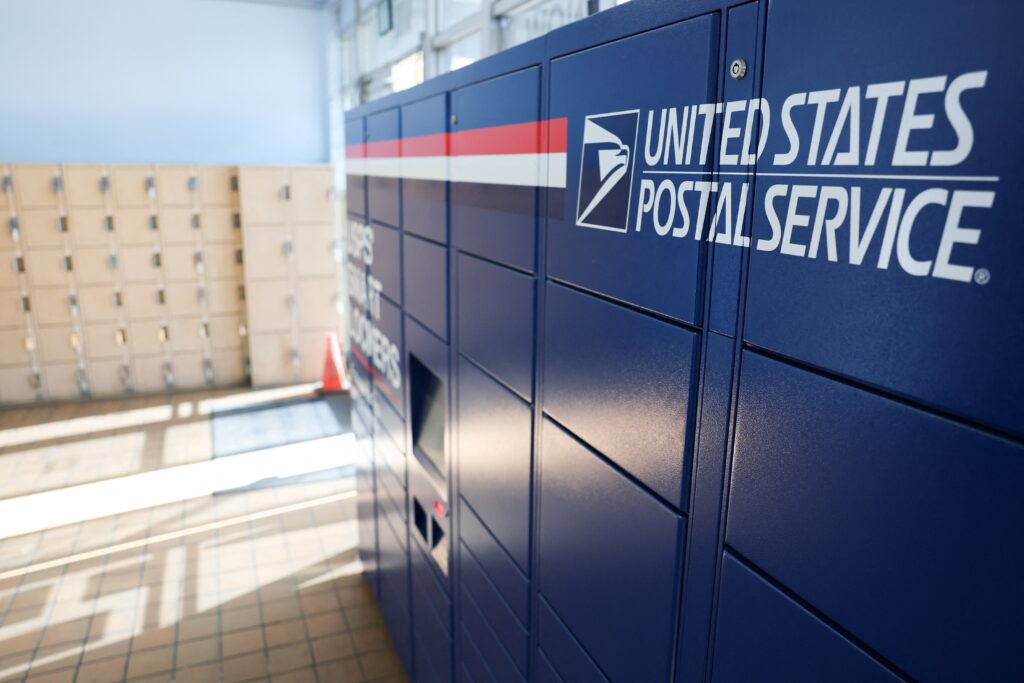
The Wisconsin Elections Commission is sounding the alarm about the “unusually long time” it took for absentee ballots to reach their assigned voters by mail in the state’s April primaries.
The board sent a letter to the U.S. Postal Service listing “widespread” concerns among local election officials about the lengthy delivery times for mail-in ballots.
“We write to you today to express our concern about mail delays that threaten the ability of our citizens to exercise their right to vote,” reads the May 27 letter. “While these concerns pertain to all voters, Wisconsin voters who are overseas or serving in the military are disproportionately affected by this issue.”
The matter is particularly urgent given that a judge this week declined, for now, to block President Donald Trump’s anti-mail-in voting executive order. Meanwhile, the USPS has begun drawing up plans to crack down on absentee ballots, in line with the order.
Get updates straight to your inbox — for free
Join 350,000 readers who rely on our daily and weekly newsletters for the latest in voting, elections and democracy.
In a memo accompanying the letter, the state elections commission provided testimony from local clerks about poor ballot delivery experiences during the April primaries.
“So far, I have had to mark 40 ballots returned after deadline,” said one clerk in the survey. “I don’t ever recall having this many.”
“As a clerk for 23 years, this is the worst we have seen,” said another.
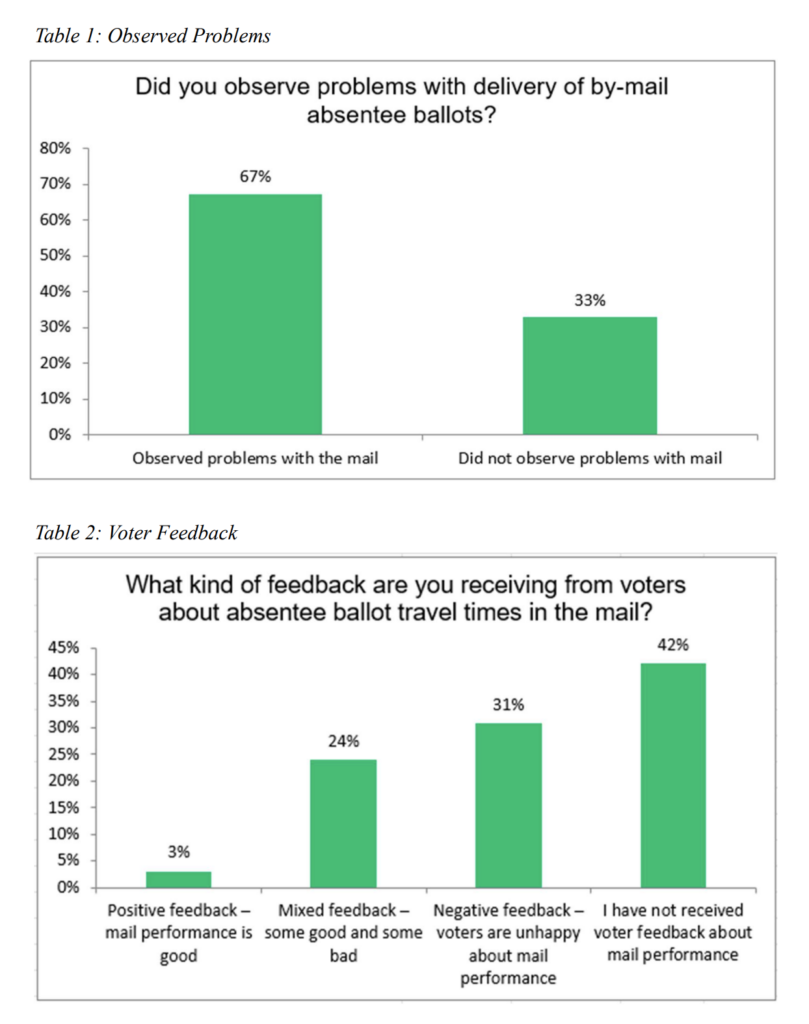
The memo also included charts and data about how those experiences compared to delivery times in prior years’ elections. One chart showed that two-thirds of survey respondents encountered problems with absentee ballot mail, while another showed that nearly a third received negative feedback from voters about mail delivery.
In California, election officials recently reported similar problems: a quadruple increase in rejected mail-in ballots due to late delivery, after the USPS made changes to how and when mail would get picked up from the state’s mail processing centers.
On May 29, the USPS proposed a new rule requiring all state election authorities to send lists of voters who’ve requested absentee ballots to the postal service within 30 days before mailing them out.
But the rule tacitly acknowledges that mistakes can be made in this process given that it allows state election officials to make “supplemental submissions to enroll additional individuals or modify prior submissions until the last day that ballots may be mailed out to individuals under state law.”
The rule, along with Trump’s executive order, seems to increase the chances of errors or delays in getting absentee ballots to their assigned voters, and also grants the president some federal control over a process that states constitutionally are supposed to have full authority over.