USPS pushes final rule on restricting mail voting forward
 Prefer us on Google
to see more of our voting rights news coverage when you search.
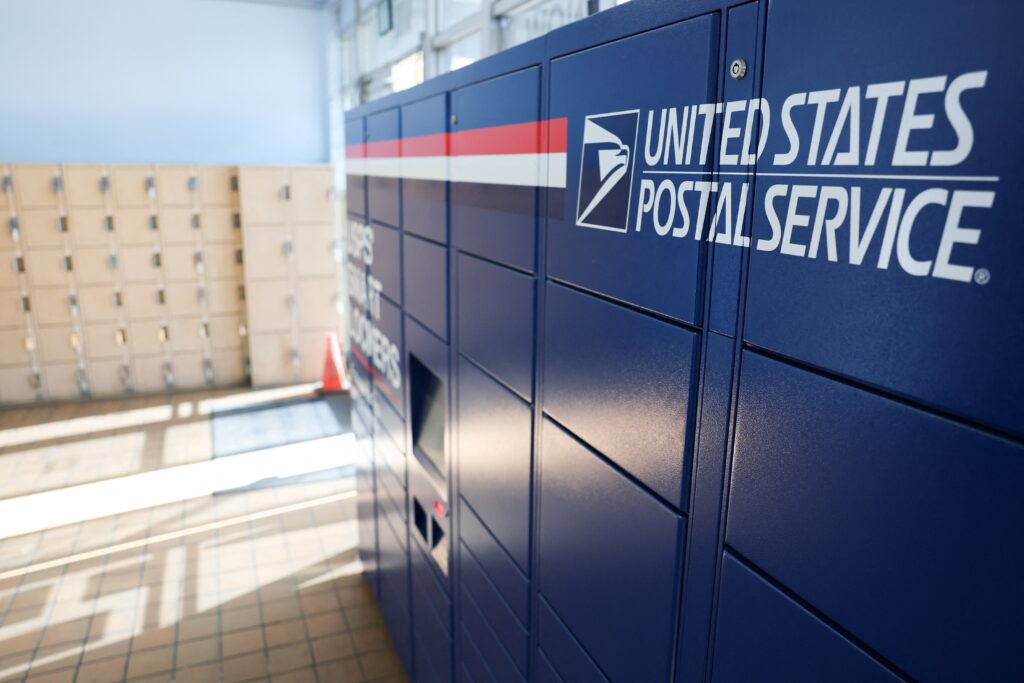
The United States Postal Service (USPS) announced late Friday night that it intends to move forward with its final rule on changing how mail voting is administered.
The new rule was created to enact President Donald Trump’s executive order, which seeks to restrict mail voting and create a federal voter database for law enforcement purposes.
The Postal Service announced the final rule despite two court injunctions blocking it from implementation ahead of November’s midterm elections. The Justice Department is currently awaiting a decision from the Supreme Court on whether to pause the injunctions so that the Postal Service can move forward with the rule.
If the Supreme Court grants the Justice Department’s request, the USPS rule would go into effect immediately.
Get updates straight to your inbox — for free
Join 350,000 readers who rely on our daily and weekly newsletters for the latest in voting, elections and democracy.
“Yesterday’s new mail-in voting rule is an attempt to weaponize USPS as part of the Trump administration’s efforts to take over elections,” said Michael McNulty, senior policy director for the organization Issue One. “If it holds up in court, it would mean postal workers shift from neutral transporters of a state-led process to a federal gatekeeper of states’ outbound mail ballots — requiring states to provide USPS with voter-level ballot information and giving USPS authority to reject ballots that do not meet the new federal requirements.”
U.S. District Judge Indira Talwani blocked the rule because she said Trump’s executive order was likely unconstitutional, for imposing on states’ constitutional authority to run elections.
“The federal government has asked this court and others to postpone judicial review,” Talwani wrote, “arguing that no party may challenge the EO’s constitutionality until the USPS promulgates a Final Rule.”
The postal agency’s notice Friday night is the promulgation of the final rule. It will be officially published on Aug. 26. It’s an amended version of the postal agency’s proposed rule, after reviewing more than 200,000 comments submitted about it.
One of the main things the final rule does is clarify why the Trump administration is planning to create a federal voter database: to make voter information more accessible to federal law enforcement authorities in their hunt for voter fraud.
The USPS is asking states to submit data from those requesting mail voting ballots into what the postal agency is calling a “Federal Ballot Mail Portal.” This portal will then be used to create “Mail-In and Absentee Participation Lists” – a database of people allowed to vote by mail.
“It will provide federal law enforcement with a list of individuals to whom states planned to mail a ballot (and who may potentially use the mail to vote), along with the associated barcode data, which the Postal Service understands will help to facilitate enforcement of federal law,” reads the rule.
States already create and maintain their own lists of registered voters who have requested mail ballots. The new USPS rule creates a new federal regulatory layer of election administration, despite the fact the Constitution grants such regulatory authority exclusively to the states.
The new rule also forces states to incorporate a new election logo and an Intelligent Mail barcode (IMb) system into their mail ballot envelopes so that the federal government can more easily track the ballots. The Postal Service would reject mail ballots from states that do not make these changes to the envelopes.
However, the USPS claims that the federal database and mail ballot changes do not usurp states’ powers to administer elections, despite admitting that it won’t accept ballots that don’t have the new federal design changes.
“The Postal Service will not play any role in determining voter eligibility, maintaining voter rolls, or counting ballots,” reads the rule. “However … the Postal Service will generally not accept Outbound Federal Ballot mailings unless compliance with the rule’s new standards has been verified.”
The postal agency also acknowledges that adopting the new rule would create costs and burdens for states. Judge Talwani made this point when issuing the injunctions to block the rule. But the USPS insists that such burdens are necessary to combat voter fraud.
“The Postal Service recognizes that the rule would require states to adjust their processes and adapt to the changes imposed by the rule, potentially incurring new costs,” reads the rule. “Despite any logistical or financial difficulties states may face complying with the rule, including some claims that immediate implementation would prove impossible, the visibility and law-enforcement benefits of the rule, including for this election cycle, are such that there is no compelling reason for any delay.”