Nevada begins early voting after DOJ’s noncitizen voter crusade fizzled out
 Prefer us on Google
to see more of our voting rights news coverage when you search.
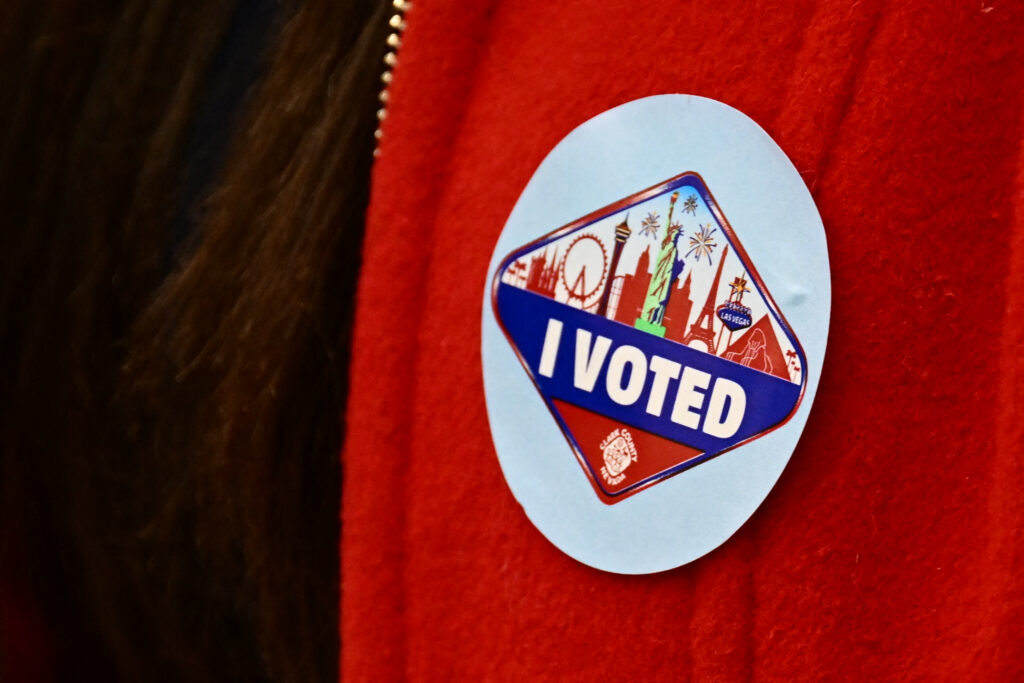
Voting in Nevada’s 2026 midterms begins Saturday, with voters casting their ballots amid increased federal scrutiny of the state’s electoral process and an election denier on the ballot.
The Silver State was the target of several Department of Justice (DOJ) subpoenas this summer and debunked Department of Homeland Security (DHS) claims that there were potential noncitizens on its voter rolls.
Get updates straight to your inbox — for free
Join 350,000 readers who rely on our daily and weekly newsletters for the latest in voting, elections and democracy.
In July, DHS claimed to have found nearly 16,000 potential noncitizen voters in Nevada’s voter rolls. That number later dwindled to 185 before Nevada election officials determined everyone DHS flagged was a citizen.
This summer, Nevada election officials weathered a storm of seven different subpoenas from the DOJ in three months in an attempt by the Trump administration to seek information about voters in the key battleground state. The DOJ also sued the state for its full, unredacted voter rolls, which included identifying personal information like addresses, birthdates and partial Social Security numbers.
A federal court rejected the bid for Nevada’s unredacted voter rolls in August, handing the DOJ its 22nd consecutive loss in its attempts to compel states to turn over their voter information.
Nevada voters have also been subject to election misinformation and election denial in the lead-up to this midterm election. Nevada votes primarily by mail, but voters can opt to cast their ballot in person. The state also allows same-day registration, allowing new voters to cast provisional ballots in person. Mail voters can also drop off their ballots at early voting locations. The Trump administration spent most of the year casting doubt on mail voting, peddling unsubstantiated claims that the practice was rife with fraud.
In addition to this, stories about ballots arriving at old addresses or to voters who have moved in Nevada can quickly turn into fraud claims.
Election denial is also directly on the ballot, with Republican Jim Marchant, a prominent election denier, running for Nevada secretary of state, which would put him in charge of the state’s electoral process.
Marchant — who has said he would not have certified President Joe Biden’s 2020 victory in Nevada — is facing off against incumbent Secretary of State Cisco Aguilar (D), who defeated him in 2022.
Also on the ballot is a state constitutional amendment that would impose new voter identification requirements for future elections
If approved, in-person voters will need to present a valid photo ID at the polls, starting during the 2028 election cycle. If voting by mail, voters will need to add some identifying information, traditionally the last four digits of their Nevada driver’s license number or Social Security number, with their signature for their ballots to be accepted.
Voting rights and democracy advocates have consistently pushed back on voter ID laws, saying they risk disenfranchising voters who can legally vote but do not have access to the appropriate documents.
Nevada’s early voting period runs until Oct. 30. Voters can find information on polling locations, ID requirements and more here.