Giving voter rolls to DOJ may have violated Alaska law, judge says, allowing lawsuit to continue
 Prefer us on Google
to see more of our voting rights news coverage when you search.
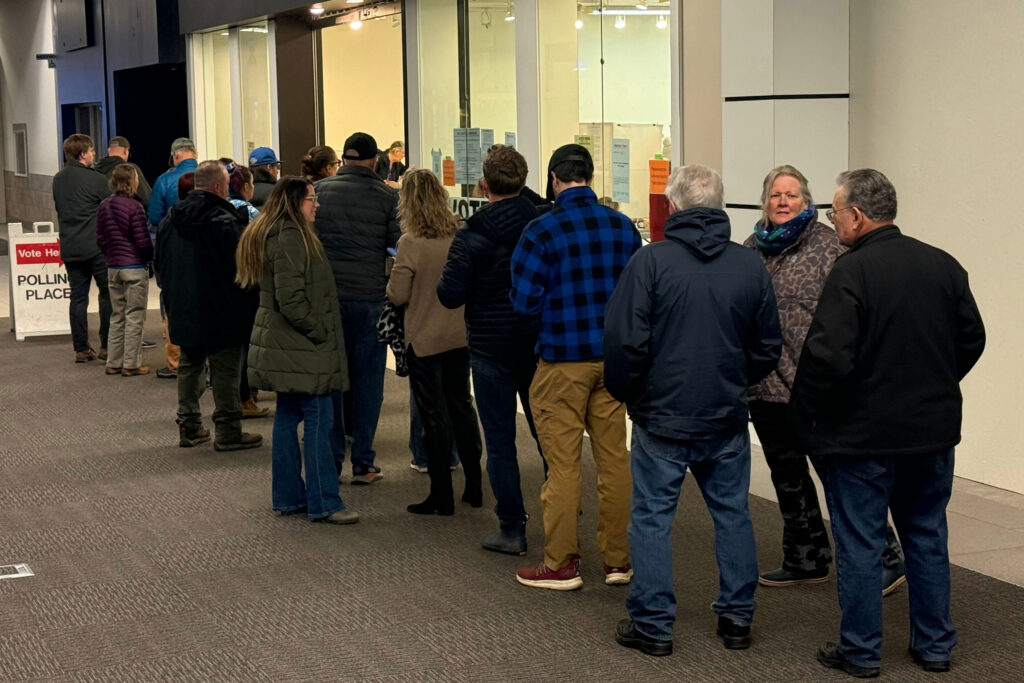
An Alaska Superior Court judge has allowed a lawsuit challenging election officials’ decision to hand over the state’s voter rolls to the Department of Justice (DOJ) to go forward, saying the Division of Elections may have violated voters’ right to privacy.
In December, after the DOJ demanded each state’s unredacted voter rolls, Alaska signed a memorandum of understanding with the department and turned over the data. In the document, the state also committed to “clean” its voter rolls within 45 days of any DOJ notification.
But that violates the Alaska Constitution’s right to privacy and state voter registration laws, the League of Women Voters of Alaska, the Alaska Black Caucus and the Alaska Public Interest Research Group alleged in a lawsuit filed in April.
The defendants — Lt. Gov. Nancy Dahlstrom, who supervises the Division of Elections, and elections director Carol Beecher — asked the court to dismiss the lawsuit, arguing the privacy harms were still hypothetical.
After a hearing in September, Judge Adolf Zeman ruled Friday that the lawsuit could continue, saying the Division of Elections could have negotiated the terms of the memorandum to ensure Alaska laws were followed.
“Instead, the state has given DOJ carte blanche to submit whenever it pleases, a list of whosoever names it decides, for whatever reason DOJ determines, for any number of eligible voters,” Zeman wrote.
Get updates straight to your inbox — for free
Join 350,000 readers who rely on our daily and weekly newsletters for the latest in voting, elections and democracy.
Zeman held that the risk of harm was high, noting that the DOJ memorandum’s 45-day provision meant that “Alaskan voters could be removed from the [voter registration list] in violation of the law right before the upcoming general election in November.”
The lawsuit also points to statements from current and former DOJ officials suggesting that the agency will use the voter data for purposes beyond routine list maintenance, like the kind of immigration investigations the administration is now pursuing in California. Zeman refused to dismiss those concerns as too outlandish to consider as a matter of law.
“[G]iven the fundamental nature of the rights at stake, the seriousness of the allegations, and the existence of similar litigation in other states,” Zeman wrote, the lawsuit may now proceed to discovery, where the plaintiffs can ask for relevant records related to the DOJ’s demands and the Division of Elections’ decision to comply with them.