Voting rights groups sue Alaska for sharing voter data with Trump DOJ
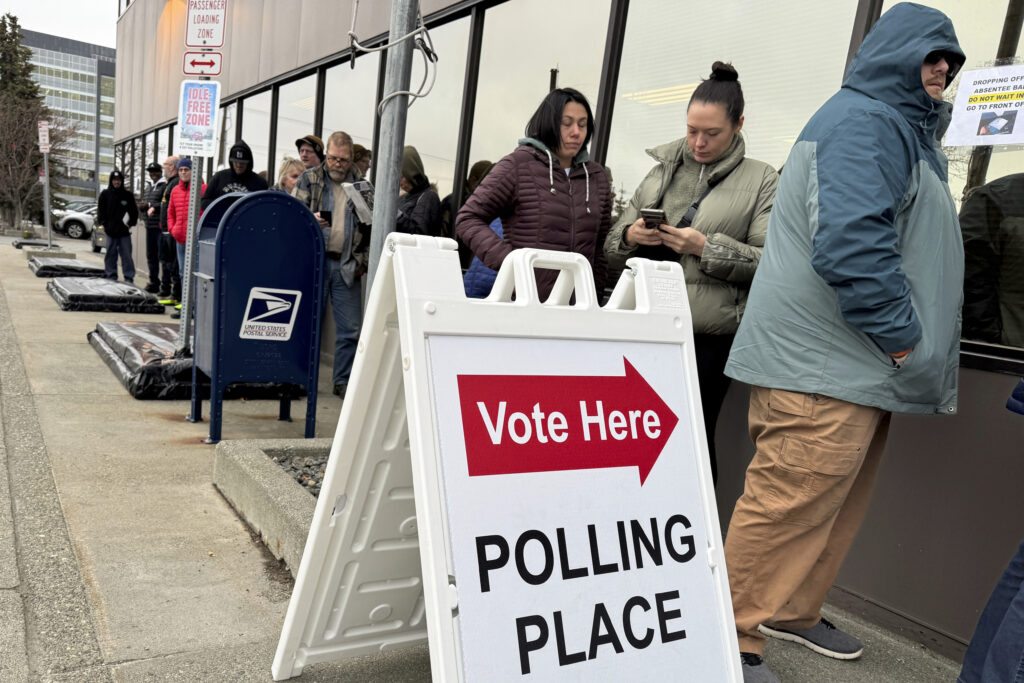
A pair of voting rights groups sued Alaska Wednesday, alleging the state’s sharing of its voter registration rolls with the U.S. Department of Justice (DOJ) violates the state constitution.
Alaska’s constitution explicitly protects the “right of the people to privacy.” By turning over unredacted voter data to the DOJ, Alaska “violated the constitutionally protected privacy rights of all Alaskan voters,” the lawsuit claims.
Get updates straight to your inbox — for free
Join 350,000 readers who rely on our daily and weekly newsletters for the latest in voting, elections and democracy.
Alaska is one of at least 17 states that have complied with the DOJ’s demand for unfettered access to voter registration files. Of those, two — Nebraska and South Carolina — had already been sued for doing so.
Lt. Governor Nancy Dahlstrom (R), Alaska’s chief elections officer, agreed to hand over the data, and in December, Alaska’s elections director signed an Memorandum of Understanding (MOU) with the DOJ.
The data shared included voters’ full names, birthdates, residential addresses, driver’s license numbers and partial Social Security numbers — information the state itself treats as confidential.
The lawsuit also argues that the MOU Alaska signed gives the DOJ the “power to select which Alaskans have the right to vote…by obligating [Alaska] to purge voters from the voter list without any stated basis in law or process to challenge such an action,” in violation of Alaska constitution’s voting rights and due process provisions.
Under the agreement, Alaska must “clean” its voter rolls within 45 days of being notified by DOJ of any “issues, insufficiencies, inadequacies, deficiencies, anomalies, or concerns” — without any requirement that the state independently verify those determinations.
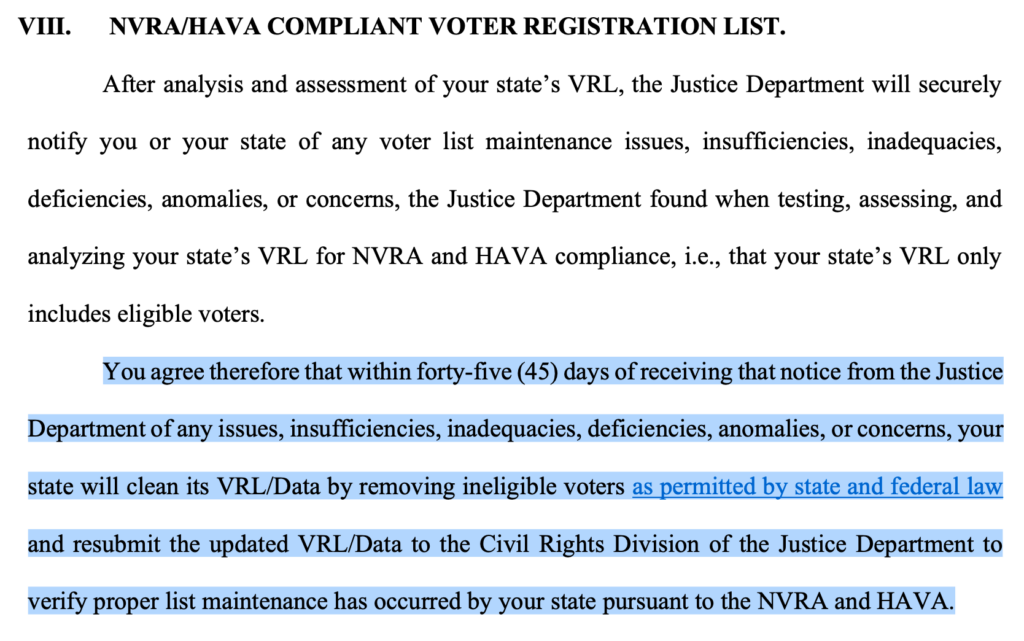
The lawsuit warns that this arrangement could lead to eligible voters being removed from the rolls without notice or a meaningful opportunity to challenge their removal.
The suit, filed by the League of Women Voters of Alaska and the Alaska Black Caucus, comes as courts across the country have repeatedly rejected DOJ’s legal theory for demanding voter data. So far, no federal court has ruled in the department’s favor, and five have dismissed its lawsuits outright for failing to provide a sufficient factual basis for such sweeping requests.
That broader context looms over Alaska’s decision to comply. While DOJ has sued dozens of states for refusing to turn over voter data, states that have complied are facing legal challenges of their own.
In Alaska, the plaintiffs argue the state’s actions are especially egregious given its explicit constitutional protections for privacy — one of only a handful of states with such language.
In announcing the lawsuit, civil rights groups warned that the state’s actions put both voter privacy and election integrity at risk.
“Alaskans have a right to participate in our democracy without fear that their most sensitive personal information will be exposed or misused,” Theresa J. Lee, a senior staff attorney with the ACLU’s Voting Rights Project, said in a press release. “By handing over unredacted voter data and participating in a federal power grab that could trigger improper voter roll purges, the state has put both privacy and democracy at serious risk.”
The groups also pointed to the broader implications for voter confidence and election administration.
“Elections depends on trust in our systems, and that trust is undermined when the government treats voters’ personal information as expendable,” Lee added.
The plaintiffs are asking the court to void the agreement, block any further data sharing and require the DOJ to destroy the voter data it has already received.