Alaska Natives’ early voting hampered by unlawful closures
 Prefer us on Google
to see more of our voting rights news coverage when you search.
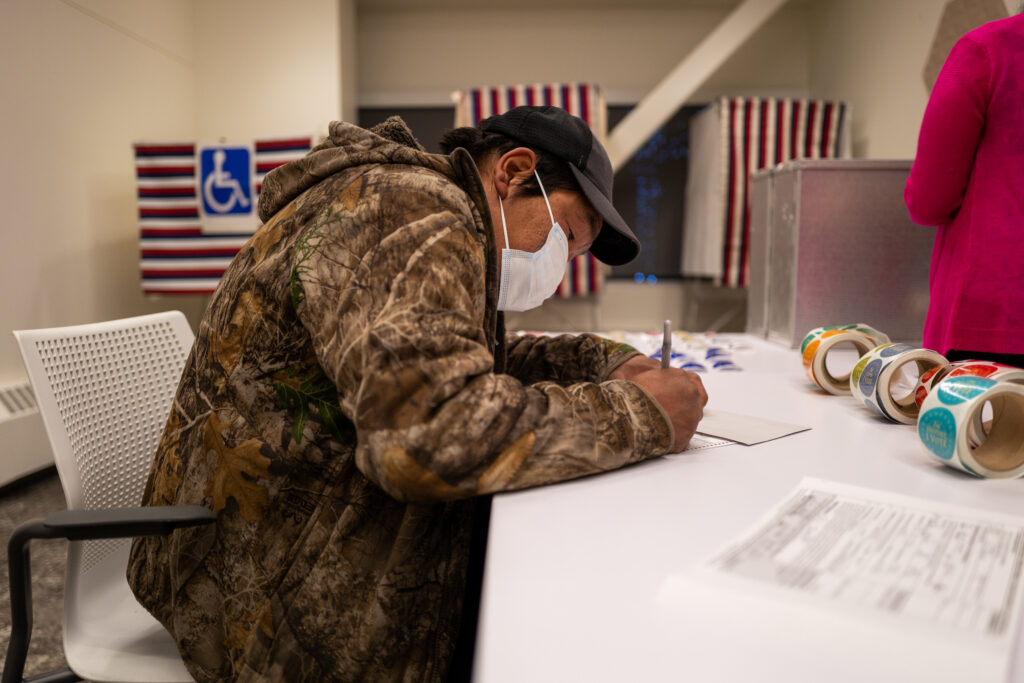
At least 18 early voting centers in rural Alaska have not opened as of Friday, according to state Sen. Bill Wielechowski (D). All of the areas are home to majority-Alaska Native populations that have historically been subjected to disenfranchising policies and conditions.
Wielechowski told Alaska Director of Elections Carol Beecher, in an Oct. 23 letter, that failing to open these early voting centers breaches several state and federal laws. He implored her office to provide whatever resources are needed to open the sites immediately and to share with him all communications her office has had with those sites’ operators.
“There is no legal excuse for the failure to open these sites,” Wielechowski wrote. Early voting in Alaska began Oct. 19.
Such failures are just the latest slights against Alaskan voters, in a year where thousands were wrongly purged from voter rolls under dubious circumstances, and where the state is being sued by the Trump administration to block certification of its election results under spurious charges.
Get updates straight to your inbox — for free
Join 350,000 readers who rely on our daily and weekly newsletters for the latest in voting, elections and democracy.
It is also an additional burden for Alaskan Natives living in remote settings who perpetually face multiple challenges in exercising their right to vote.
According to Wielechowski’s letter, his office has also received reports of ballots getting rejected at several of these sites due to mistakes made by Beecher’s staff, and of continuing problems with mail ballot delivery, particularly from the remote Alaska Native villages.
“The failure to open absentee in-person voting locations on time is particularly troubling considering that in the primary election in August, dozens of rural Alaskan voters did not have their absentee in-person votes counted because it took too long for their ballots to arrive by mail to the Division’s regional office,” Wielechowski wrote.
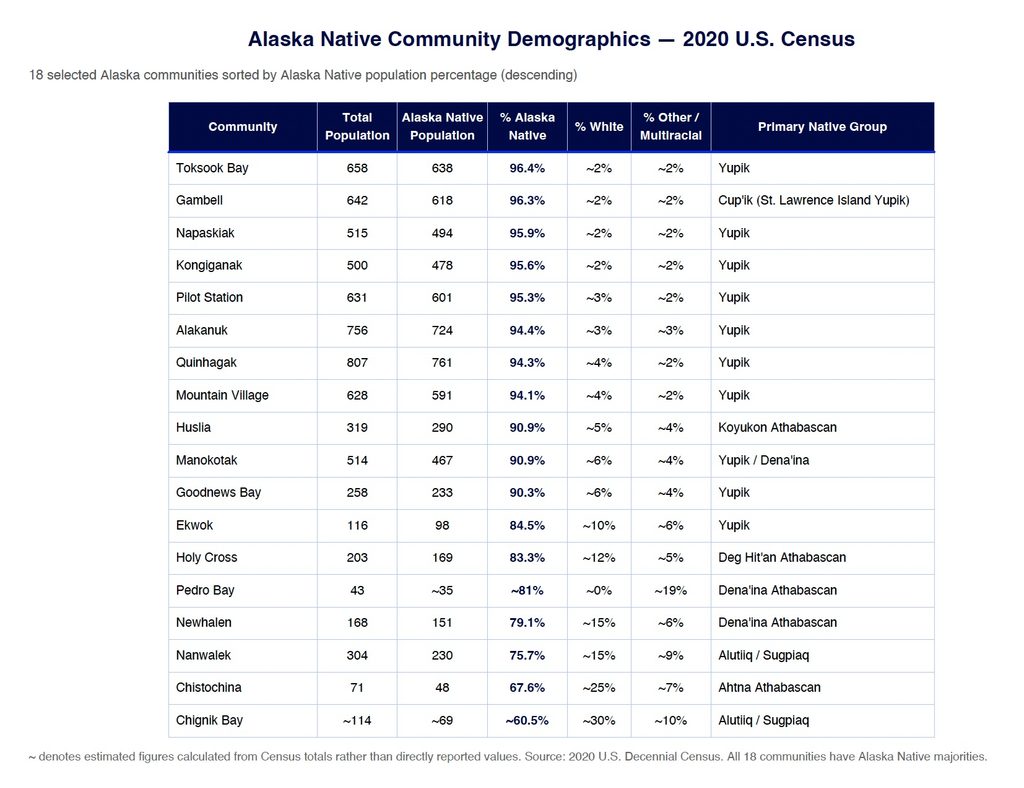
The 18 areas listed in Wielechowski’s letter where early voting centers were reported closed all have at least a 60% Alaska Native population, with 11 of them having Alaska Native populations upwards of 90%.
Alaska lawmakers passed a bill this year that would have provided additional funds and resources to assist rural voters, but Gov. Mike Dunleavy (R) vetoed it “at the request of the Division, who maintained that bill was not needed this election,” the letter reads.
Meanwhile, the Anchorage Daily News reports that early voter turnout in some of the Alaska Native districts has been significantly low compared to other voting districts across the state.
To mobilize Alaska Native voters and help ease their paths to voting, the annual Alaska Federation of Natives convention in Anchorage moved its date this year to coincide with the state’s early voting schedule. This also allowed attendees to vote at Anchorage’s city hall site, which is located close to the center where the convention is being held.
Alaska Native Sisterhood leader Paulette Moreno told the news outlet that voter turnout in the state’s primaries “exceeded expectations” and that she was “optimistic” that their numbers would improve in the current ongoing midterms.
Beecher has not responded to Democracy Docket’s request for comment.