North Carolina governor vetoes sweeping voting restrictions
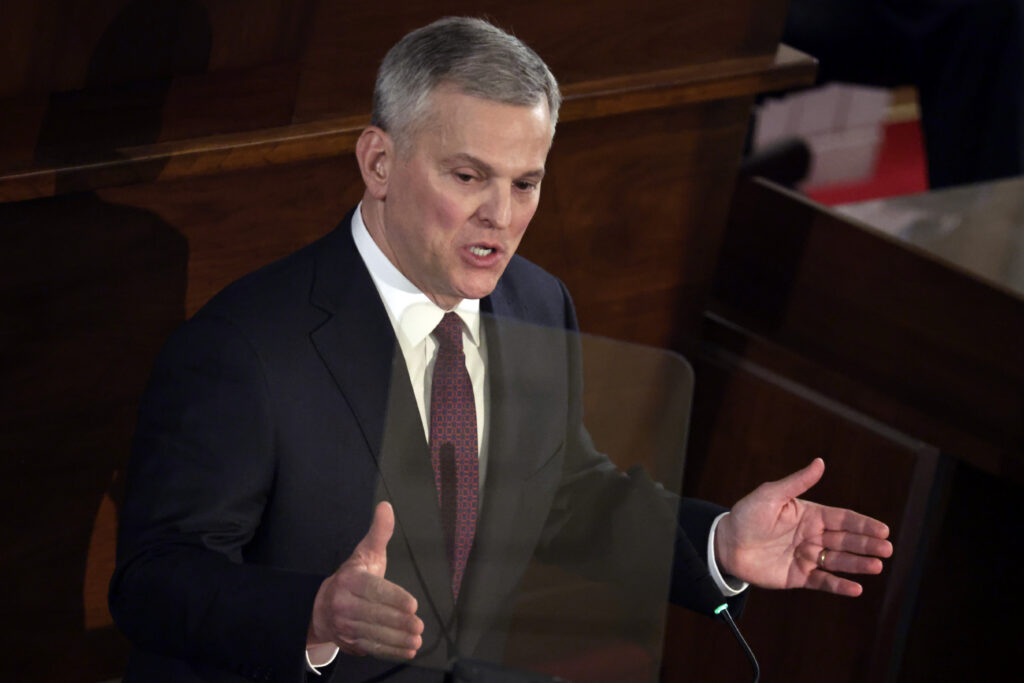
North Carolina Gov. Josh Stein (D) on Monday killed a sweeping GOP elections bill that would have shortened early voting, extended the time period to challenge votes and expanded voter roll maintenance.
“Legislators are trying to make it harder for you to vote, and for your vote to count, because they know they have not delivered for you,” Stein said. “But we are here today because we can stop this anti-voter law.”
Stein slammed Republicans for cutting back early voting hours and making it easier for partisan election officials to throw out voters’ ballots — saying the measure is part of a years-long GOP effort to attack North Carolina voting.
Stein’s veto comes as little surprise, as the Democrat already warned that the bill would harm North Carolina elections.
Get updates straight to your inbox — for free
Join 350,000 readers who rely on our daily and weekly newsletters for the latest in voting, elections and democracy.
Republican lawmakers previously overrode three of Stein’s vetoes earlier this summer. It remains to be seen whether the GOP has the votes to reverse his veto on the elections bill.
The measure, known as HB 958, cut early voting from 17 days to just 10. The change — which applied to primaries, runoffs and special elections, but not to general elections — stemmed from Senate leader Phil Berger (R)’s primary election loss this year, after which he complained that the state had an “excessive” amount of early voting.
The bill pushed the deadline for challenging early and mail ballots from the close of voting on Election Day to the third business day after an election — a shift that would allow challenges to be filed after preliminary results are known.
The bill also required county boards to process a voter registration application only if it affirmatively indicated that the applicant is a U.S. citizen, and it directed the Division of Motor Vehicles to routinely provide residents’ full Social Security numbers to state election officials.
The bill underwent significant revisions before passing the legislature, and the final version cut a controversial provision that would have banned state and county election officials from encouraging voter turnout.