Federal judge blocks Trump’s anti-mail voting order again, citing risk to states and voters
 Prefer us on Google
to see more of our voting rights news coverage when you search.
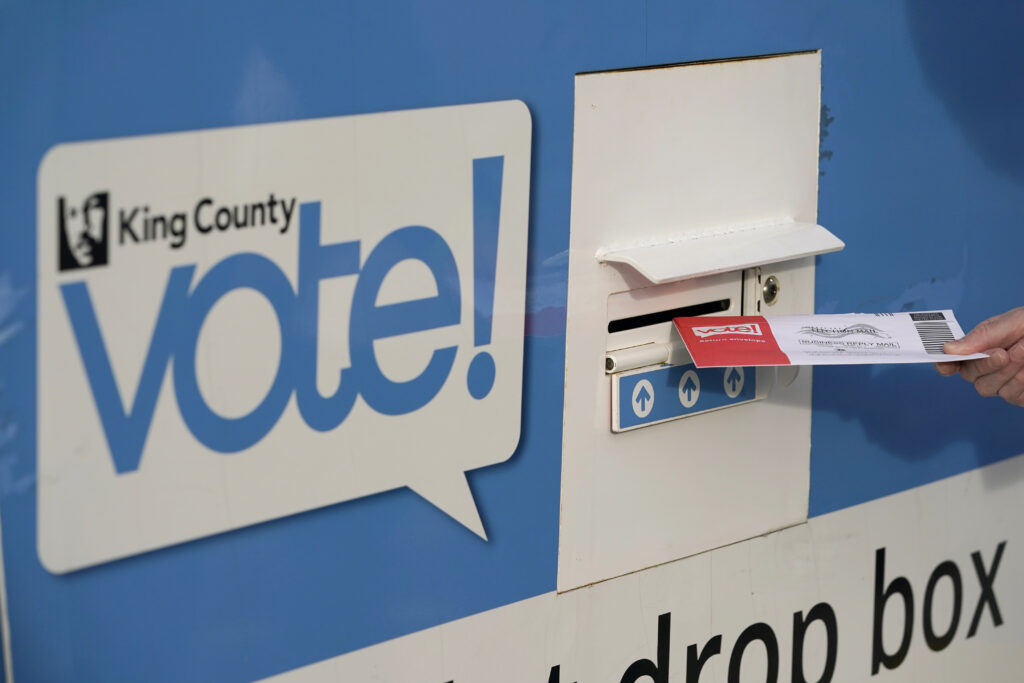
A federal judge temporarily blocked the U.S. Postal Service (USPS) from enforcing key parts of its new rule restricting mail-in voting Thursday night. The judge found that voting rights groups and Democratic-led states are likely to succeed in showing USPS lacked authority to impose new federal requirements on mail voting before the 2026 midterms.
U.S. District Judge Indira Talwani issued a 14-day temporary restraining order barring USPS from enforcing key portions of its final “Ballot Mail for Federal Elections” rule for elections on or before Nov. 3.
The blocked provisions include mandatory ballot-envelope standards, return-envelope standards, USPS portal registration, voter-enrollment requirements and ballot-mail rejection rules.
The ruling is the latest twist in the fast-moving legal battle over President Donald Trump’s anti-mail voting executive order, which directed USPS to propose new restrictions on mail ballots.
Get updates straight to your inbox — for free
Join 350,000 readers who rely on our daily and weekly newsletters for the latest in voting, elections and democracy.
The Supreme Court earlier this week lifted a separate injunction that had blocked parts of the order, saying courts generally review final rules — not proposed rules or internal executive directives.
Talwani seized on that distinction Thursday, writing that “now that the USPS has published the Final Rule, Plaintiffs’ challenges are ripe.”
The judge found that the states and voting rights groups are likely to succeed on claims that USPS lacked authority to issue the rule, that the rule unconstitutionally imposes new requirements on states and that it unlawfully blocks noncompliant state and local officials from using USPS to mail ballots.
Talwani also found that states and voters face irreparable harm.
She noted that many states have already ordered mail ballots, some must send ballots to eligible voters as early as next week and election officials lack the time and money to redesign envelopes, get USPS approval, update systems, train officials and upload voter data before the midterms.
“The record continues to lack any evidence regarding fraudulent absentee or mail-in voting,” Talwani wrote, adding that USPS’ interest in addressing an “unsubstantiated problem” is outweighed by the risk of widespread disenfranchisement.