DOJ will send election monitors to Utah where GOP lieutenant governor defied Trump’s demand for voter rolls
 Prefer us on Google
to see more of our voting rights news coverage when you search.
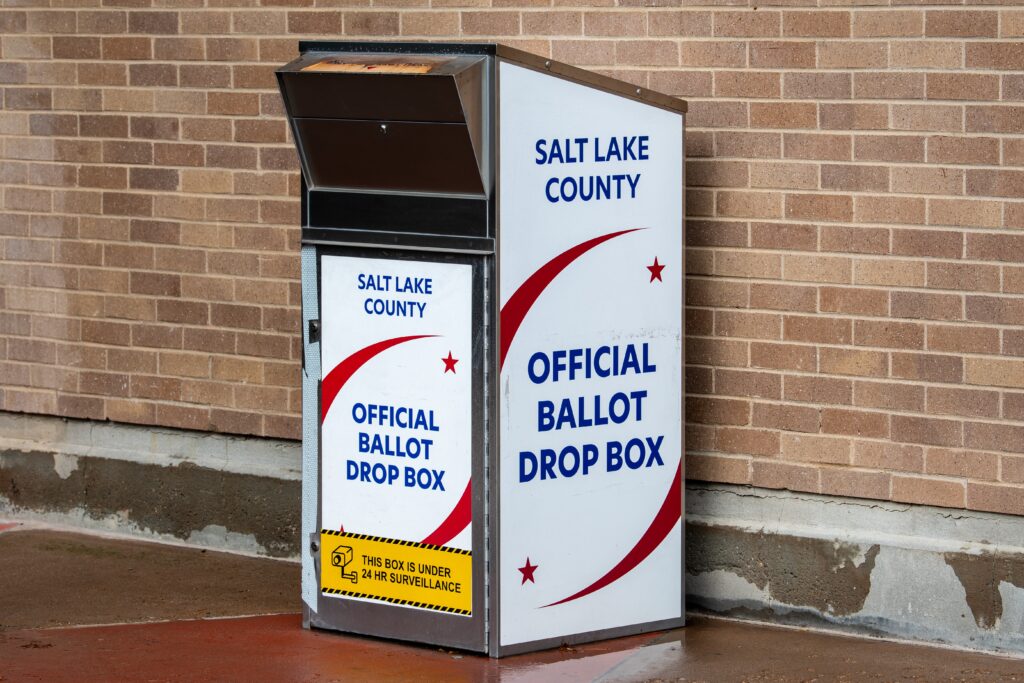
The Department of Justice (DOJ) is sending election monitors to GOP stronghold Utah, the state’s Republican lieutenant governor announced on Thursday.
Lt. Gov. Deidre Henderson, Utah’s top election official, said she was notified of the move but hasn’t received information on where the monitors will be located or exactly how many the Trump administration is deploying to the state.
Henderson has clashed with the Trump administration before, defying demands to turn over the state’s unredacted voter rolls. The administration claimed it needed those records, which include sensitive personal information like Social Security numbers, to identify alleged noncitizens registered to vote. In response, DOJ sued Utah and launched an investigation into Henderson.
The DOJ earlier this year announced plans to enlist 1,000 election monitors to observe midterm elections around the country, which it touted as the largest number in history.
NPR reported Wednesday that the DOJ began notifying counties in other states, including Colorado, Florida, Minnesota, Texas and Washington, that election monitors will be deployed for the midterms.
Get updates straight to your inbox — for free
Join 350,000 readers who rely on our daily and weekly newsletters for the latest in voting, elections and democracy.
While election monitors have historically been deployed to document potential civil rights violations, the DOJ’s expansion was met with skepticism from voting rights advocates given the Trump administration’s extraordinary attempts to exert more federal control over the election process.
Utah is one of just a handful of states that offer universal mail voting, making it a frequent target of President Donald Trump and his administration despite it being a Republican stronghold. Ballots went out to all registered voters in the state last week, and the in-person early voting period began this Tuesday.
While the federal election monitors won’t be wearing badges or insignia to signal their presence to voters, Henderson said they will identify themselves to poll workers and are required to follow state laws.
The lieutenant governor also explicitly laid out ground rules for the monitors, saying they “won’t speak to or approach voters” and that they will “not be armed or carrying concealed weapons.”
“They’re not allowed to interfere in any way,” Henderson concluded.