‘A massive burden on American eligible voters’: State election chiefs oppose GOP voter suppression bills
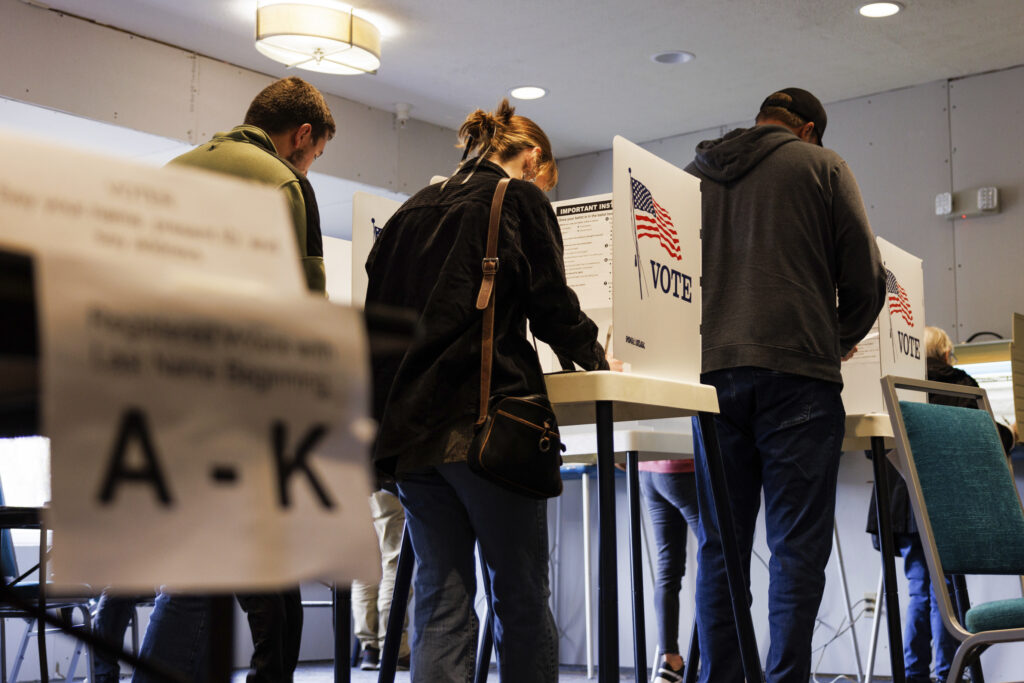
The Democratic chief election officials of six states are denouncing two new voter suppression bills making their way through Congress — underscoring how the legislation would place a huge burden on voters and election administrators just as midterm election season kicks off.
In a letter sent Friday to GOP congressional leaders, the secretaries of state of Connecticut, Maine, Minnesota, Oregon, Rhode Island, and Vermont raised a number of urgent issues with the Safeguard American Voter Eligibility Act (SAVE) America Act and the Make Elections Great Again (MEGA) Act.
“These bills would place a massive burden on American eligible voters, require unfeasible overhauls of state systems while preparations for the 2026 midterm elections are well underway, and create unfunded mandates for already under-resourced states and municipalities,” the secretaries wrote. “American voters will be the ones paying for this — by paying more in taxes, spending more time jumping through bureaucratic hoops, or losing access to the ballot box altogether.”
Get updates straight to your inbox — for free
Join 350,000 readers who rely on our daily and weekly newsletters for the latest in voting, elections and democracy.
The House passed the SAVE America Act late Wednesday evening in a 218-213 vote, with every present Republican — along with one Democrat, Rep. Henry Cuellar of Texas — voting in favor of the sweeping voter suppression bill. The bill — along with the MEGA Act, which was introduced earlier this week — stands to disenfranchise millions by imposing strict requirements for voters to show proof of citizenship when they register to vote, and to provide photo ID when casting ballots.
While the secretaries highlight that both bills “would make it harder for eligible voters to both register and cast their ballots,” they also call attention to the reality that GOP lawmakers have yet to address: Making such extensive changes to the voting process so close to an election would create chaos for election administrators.
Some states, like North Carolina, have already started with early voting, and any attempt to overhaul requirements for voters to register and cast ballots would be extremely costly to both states and voters, according to the secretaries.
“A series of sweeping overhauls to the nation’s voter registration and election administration laws, when some states are weeks or months away from conducting their primary elections, is not a serious effort at improving the democratic process,” the letter said. “Election administrators already face significant challenges in educating voters on registration requirements, especially considering the significant mis- and dis-information on the issue coming out of Washington, D.C.”