Litigation Look Ahead: November 2022
With Election Day on Nov. 8, November is going to be filled with rapidly moving litigation around who gets to cast a ballot and have it counted.

Read more to find out everything you need to know about democracy and voting rights from Democracy Docket’s desk. Use the drop-down menu to organize by topic.
With Election Day on Nov. 8, November is going to be filled with rapidly moving litigation around who gets to cast a ballot and have it counted.
In our latest candidate Q&A of the 2022 cycle, Ohio gubernatorial candidate Nan Whaley lays out her pro-democracy platform.

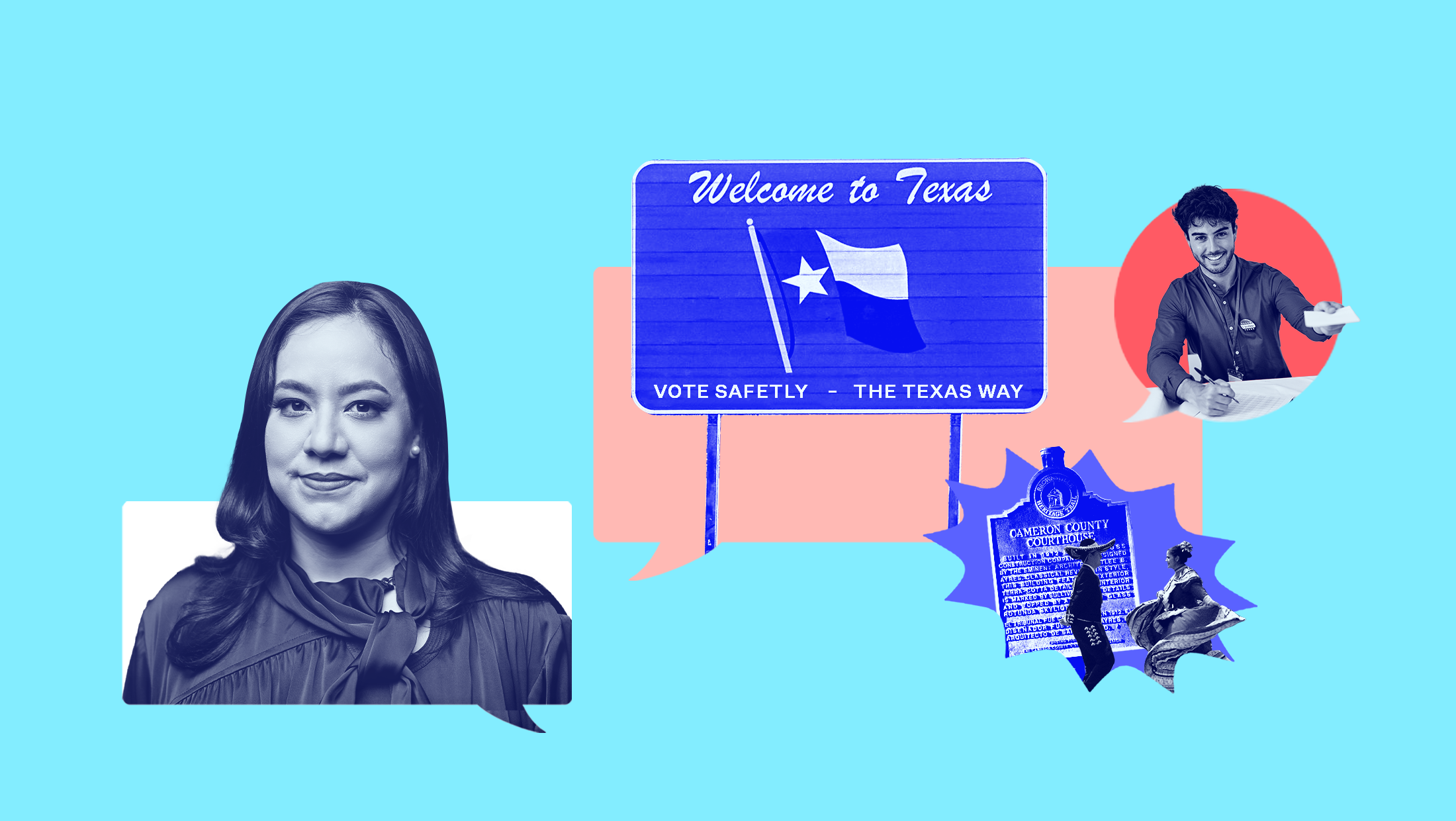
In our latest candidate Q&A of the 2022 cycle, Texas attorney general candidate Rochelle Garza lays out her pro-democracy platform.
In 11 states this year, voters will have a say in how their state’s elections will work, with numerous democracy-related ballot measures on the ballot in the midterm elections. Here, we break down all the measures affecting democracy.

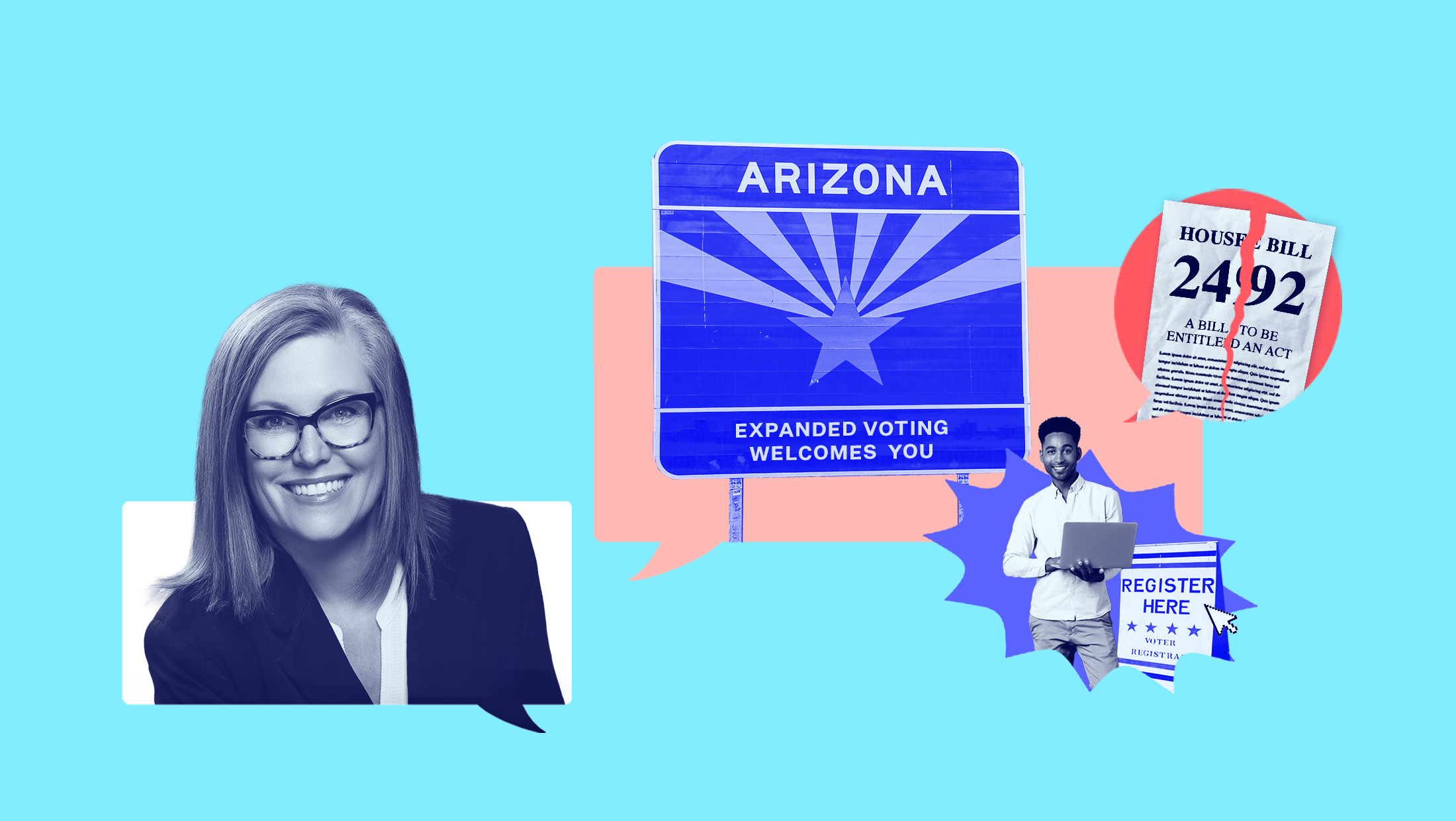
In our latest candidate Q&A of the 2022 cycle, Arizona gubernatorial candidate and Secretary of State Katie Hobbs (D) lays out her pro-democracy platform.
Curing notifies voters of an error on their mail-in ballots and provides them an opportunity to correct it. By targeting curing, the GOP is on a mission to prevent the counting of valid ballots with trivial mistakes.

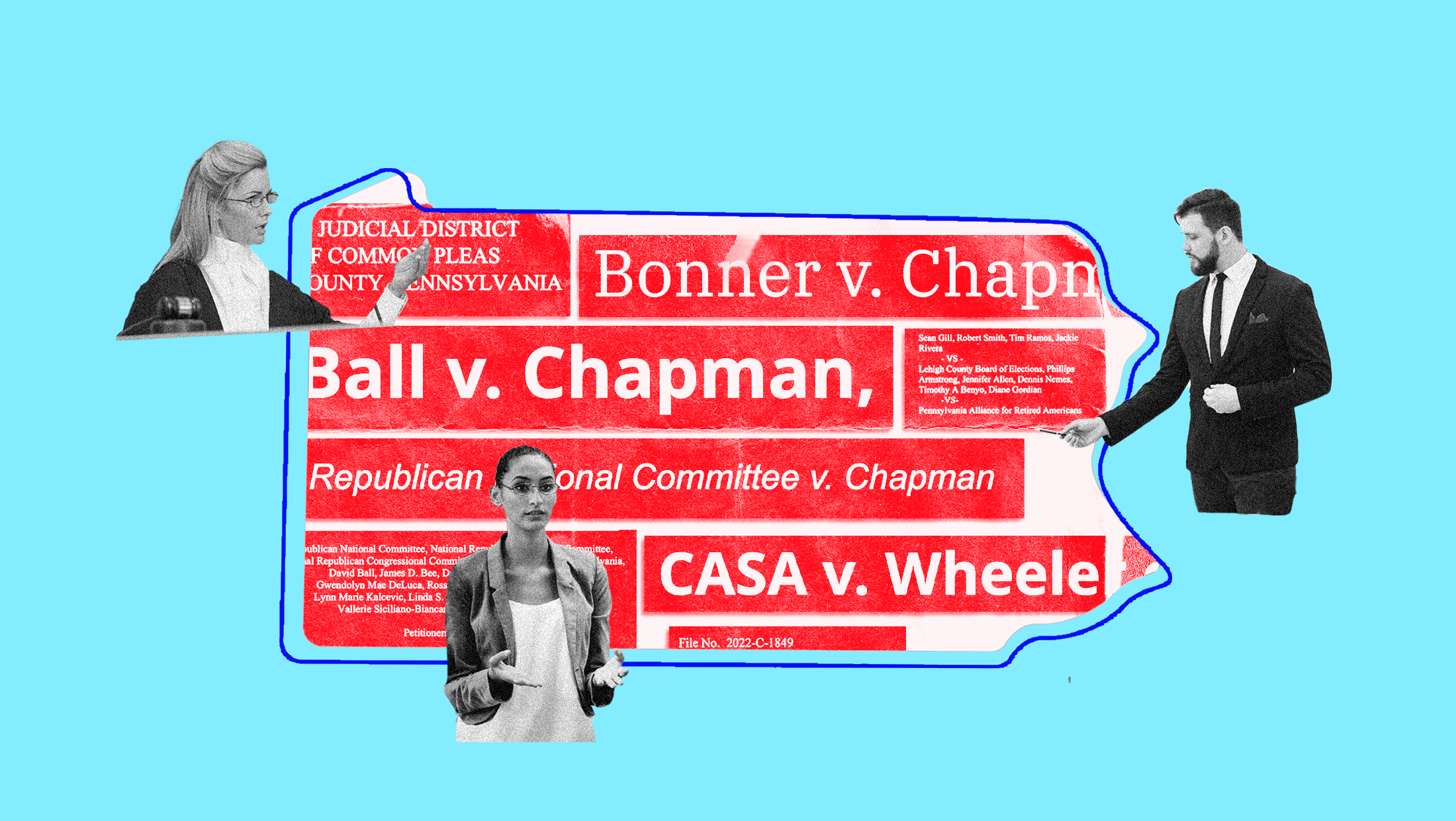
Pennsylvania is rampant with new lawsuits. This litigation will not only influence which votes are counted in Pennsylvania this year, but it may change how Pennsylvanians are able to vote in future elections as well.
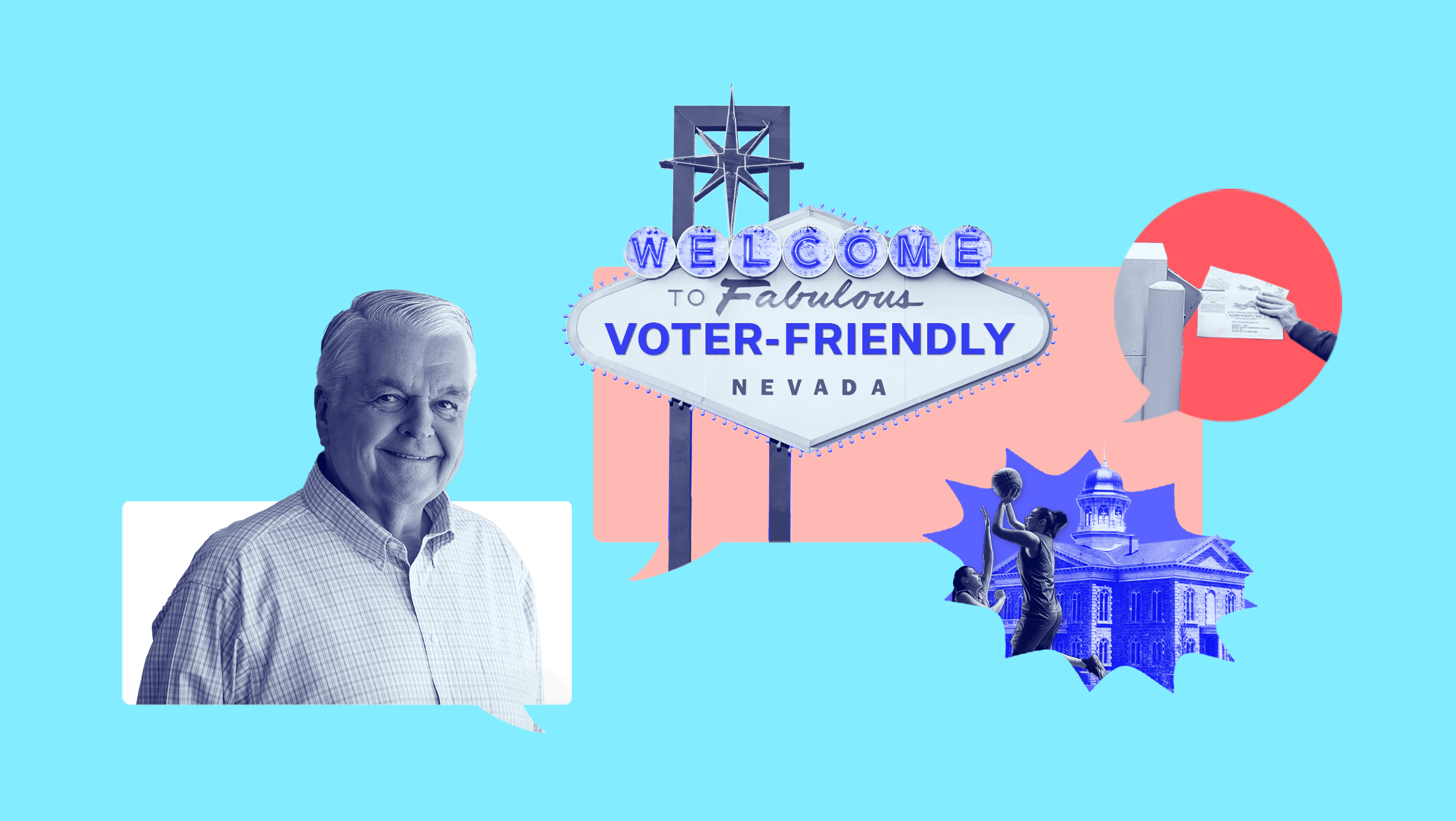
In our latest candidate Q&A of the 2022 cycle, Nevada Gov. Steve Sisolak (D) lays out his pro-democracy platform.
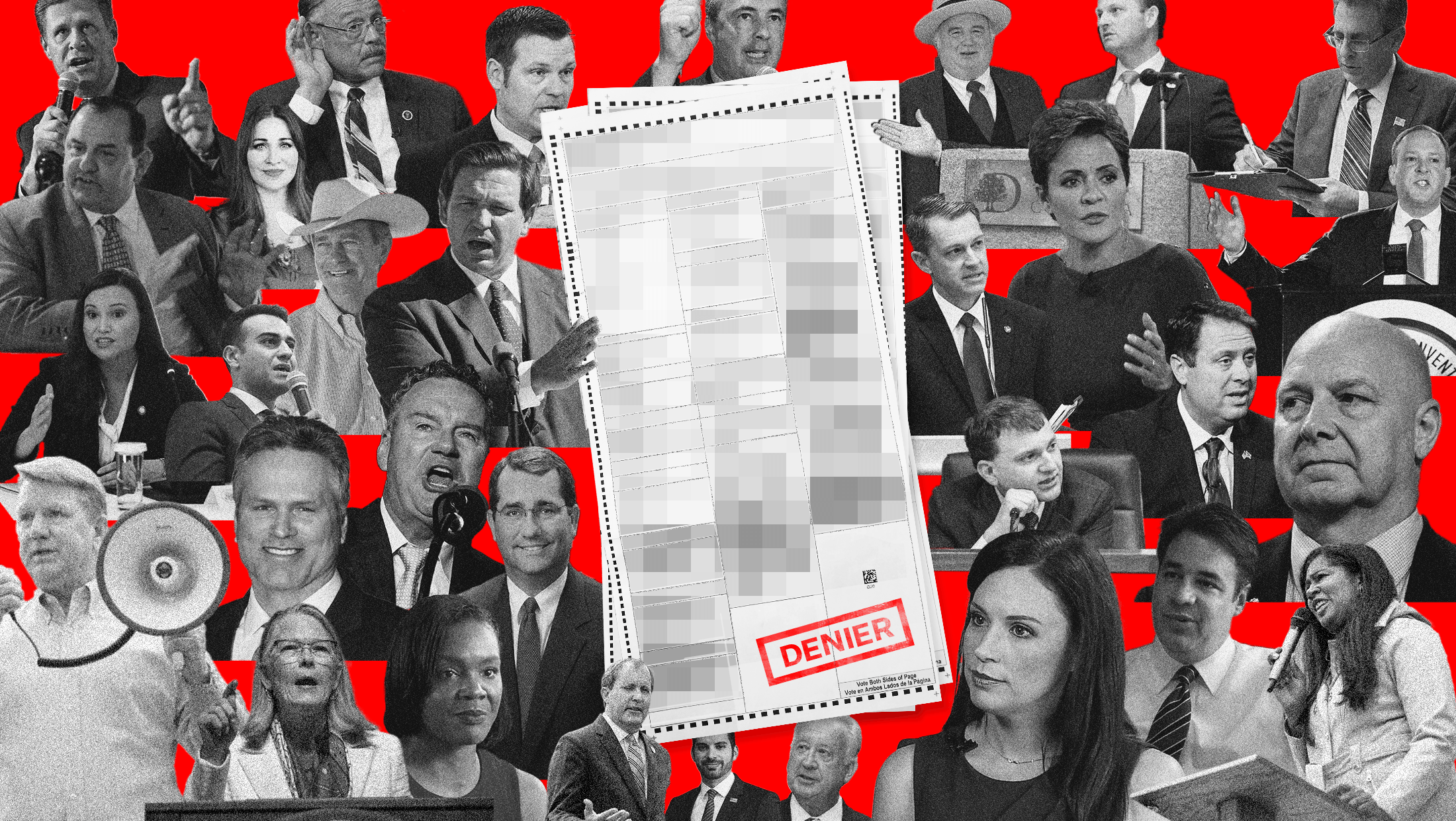
Over 200 GOP election deniers are on the ballot this November. In this piece, we’re focusing on the election deniers who have prevailed in securing the GOP nominations for secretary of state, governor and attorney general, three particularly impactful statewide elected positions.
Wrongful, mass challenges can be discriminatory and disruptive and overwhelm election offices during an already busy time of year. These attempts to disenfranchise voters are currently proliferating across the country.