Virginia Gov. Spanberger has restored voting rights for 66,000 people with past felony convictions
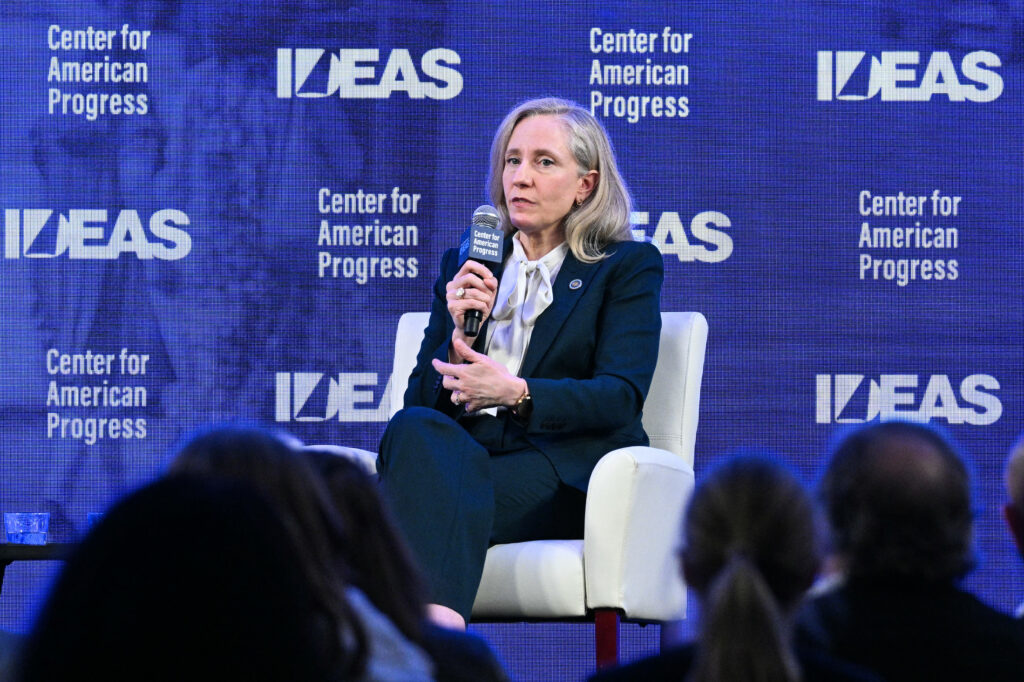
Virginia Gov. Abigail Spanberger announced Friday that she has restored voting rights for 66,085 people who otherwise wouldn’t be able to vote due to past felony convictions.
This constitutes a dramatic reversal of former Republican Gov. Glenn Youngkin’s tenure, during which he restored the voting rights of fewer than 10,000 people with past felony convictions across his entire four-year term, between 2022 and 2025. That was a departure from predecessor governors of both parties who restored the voting rights of more than 300,000 formerly incarcerated Virginians since 2013.
“I’m proud that – after contending with my predecessor’s efforts to deny Virginians their fundamental rights — we have restored the rights of more than 66,000 Virginians who have served their time,” said Spanberger. “These Virginians deserve the right to use their vote, make their voices heard, and be recognized as contributing citizens to our Commonwealth and country.”
Get updates straight to your inbox — for free
Join 350,000 readers who rely on our daily and weekly newsletters for the latest in voting, elections and democracy.
In Virginia, people who’ve been convicted of felony crimes are banned from voting and holding public office under the state’s constitution. According to the ACLU of Virginia, more than 300,000 Virginians were unable to vote due to the ban last year. Rights can only be restored for those with felony convictions in Virginia at the governor’s discretion.
It was considered one of the most restrictive state felony disenfranchisement policies in the U.S. until a federal court struck down the state’s constitutional felon voting ban in January, ruling that it violated federal law.
There are still roughly four million people across the rest of the country who are prevented from voting due to felony convictions, according to The Sentencing Project. Voting rights experts say that such laws are racially discriminatory given that African Americans are disproportionately falsely convicted of crimes in the U.S.
“Like all types of voter suppression, the goal of felony disenfranchisement is to deny the vote to Democratic-leaning racial minorities,” wrote activist Anjali Enjeti for Democracy Docket in February. “Black people are seven times more likely to be wrongfully convicted of serious crimes than white people, which means that even Black voters who are not guilty of alleged crimes are stripped of their right to vote.”
This November, Virginia voters will choose via ballot referendum whether to amend the state constitution to allow for automatic voting rights restoration immediately after returning from incarceration.