Judge rebukes Trump administration for perverting pro-voting mission of DOJ’s ‘crown jewel’
 Prefer us on Google
to see more of our voting rights news coverage when you search.
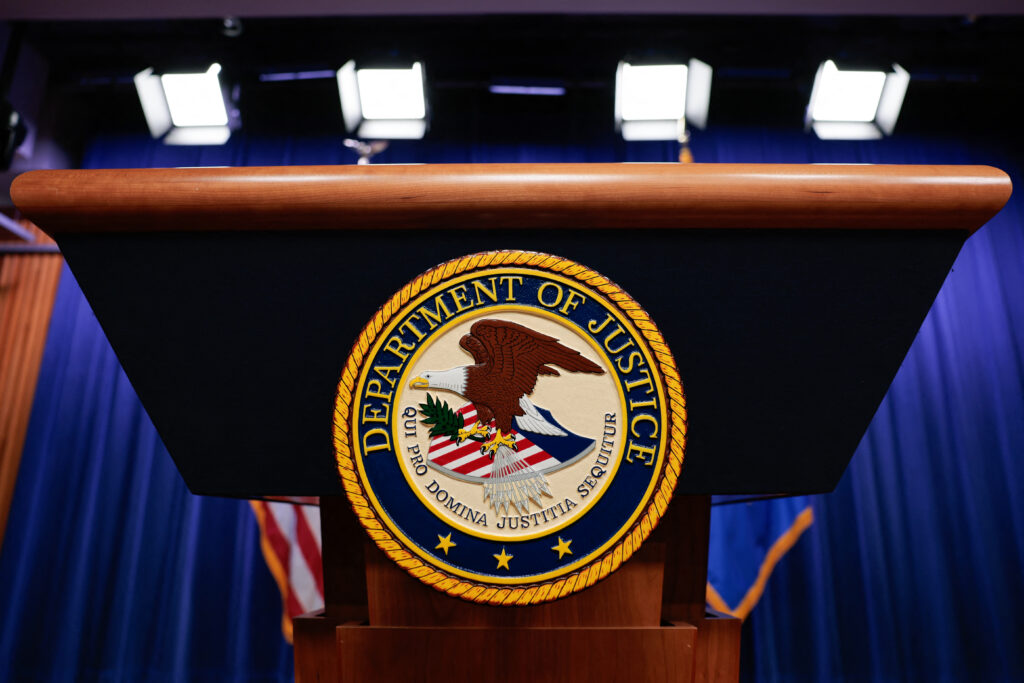
The Department of Justice (DOJ) under President Donald Trump has turned its Civil Rights Division’s mission on its head, a federal judge said in a decision blocking the administration from demanding states’ unredacted voter rolls.
District Court Judge Sparkle L. Sooknanan, a Biden appointee who previously served as the division’s principal deputy assistant attorney general, called out the DOJ’s “startling arguments” that laws meant to ensure minority voters can exercise their constitutional right to vote also give the federal government the power to remove them from the voter rolls.
DOJ attorneys “suggest that every American citizen who registers to vote is the subject of a voter fraud investigation underway in the Civil Rights Division simply because they registered to vote,” Sooknanan wrote.
Get updates straight to your inbox — for free
Join 350,000 readers who rely on our daily and weekly newsletters for the latest in voting, elections and democracy.
Her decision barring the DOJ from creating a national database containing sensitive voter information such as birthdates and Social Security numbers is a victory for voters and a blow to the Trump administration’s ongoing attempt to prove the president’s unfounded claims that noncitizens voting is widespread.
In her opinion, Sooknanan traced the Civil Rights Division’s history from its creation under President Dwight Eisenhower to enforce the Civil Rights Act of 1957, calling it the DOJ’s “crown jewel.”
“Even in its infancy, the Division stood at the forefront of the federal government’s efforts to protect Americans’ right to vote,” she wrote. “And since then, generations of Civil Rights Division attorneys and staff have worked to protect that right—a sacred right that gives our citizenry a say in its government and secures all other individual rights against government interference.”
She further called the case before her “anomalous” because it features the Civil Rights Division arguing in favor of disenfranchising voters, “despite knowingly relying on an inaccurate database to check voter eligibility.”
“DOJ cannot run roughshod over longstanding laws that were carefully crafted to protect the rights of the American people,” Sooknanan wrote.