In win for voters with disabilities, court strikes down California mail ballot rule
 Prefer us on Google
to see more of our voting rights news coverage when you search.
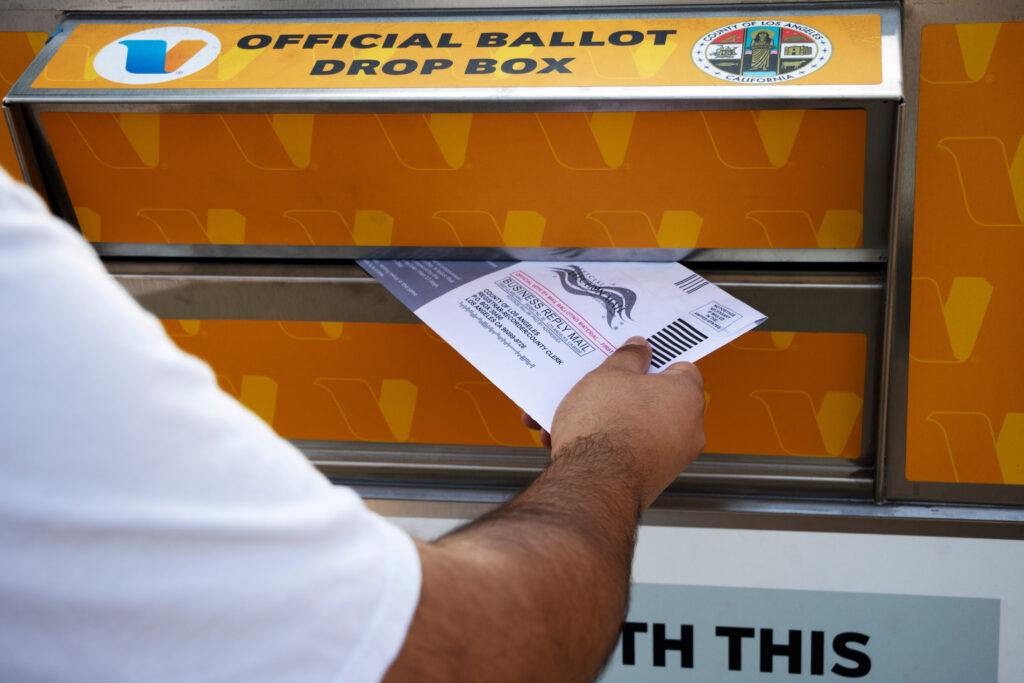
A federal court Friday struck down a California rule that required voters to return mail ballots by paper and without assistance from others.
The decision is a victory for voters with disabilities. But it likely will not affect voting this fall.
California sends ballots through the mail to every eligible voter. The state’s mail balloting program lets voters with print disabilities, including those who are visually impaired or cannot otherwise mark a paper ballot, fill out ballots electronically. But voters then must print out the ballot, put it in an envelope, seal the envelope and return the signed envelope “through non-electronic means.”
Get updates straight to your inbox — for free
Join 350,000 readers who rely on our daily and weekly newsletters for the latest in voting, elections and democracy.
Plaintiffs, including three voters with disabilities and two blind advocacy organizations, argued this requirement is not merely difficult, but disenfranchises voters with disabilities. Two plaintiffs noted that they had to hire assistants to help them verify parts of their ballots, as they could not have otherwise voted.
The court agreed, ruling the requirement violated both state and federal law.
“Requiring assistance from another person to complete the voting by mail process is antithetical [to] voting privately and secretly,” U.S. Magistrate Judge Sallie Kim wrote for the court.
A similar rule was recently overturned in Wisconsin. And as in that August decision, the court did not immediately decide the fate of voters entirely.
The court must still decide how California voters with disabilities can return their ballots moving forward. Plaintiffs argued the best option is an electronic one, which some overseas voters and military members already use in the state.
As of the latest data, 32 states allow for electronic absentee ballot return for certain voters, with 13 of these states providing a specific carveout for voters with disabilities. Plaintiffs claimed it’s up to Secretary of State Shirley Weber (D) to certify the system for California voters with disabilities too.
The court set a hearing date for Oct. 19, meaning it’s expected to decide on the “remedy” shortly after.
Because of the timeline, the decision likely won’t impact how voters return their ballots in the midterms. California early voting started Monday when the state opened its ballot drop-off locations and sent out ballots.