In win for voters, Oklahoma Supreme Court overturns restrictions on ballot measures
 Prefer us on Google
to see more of our voting rights news coverage when you search.
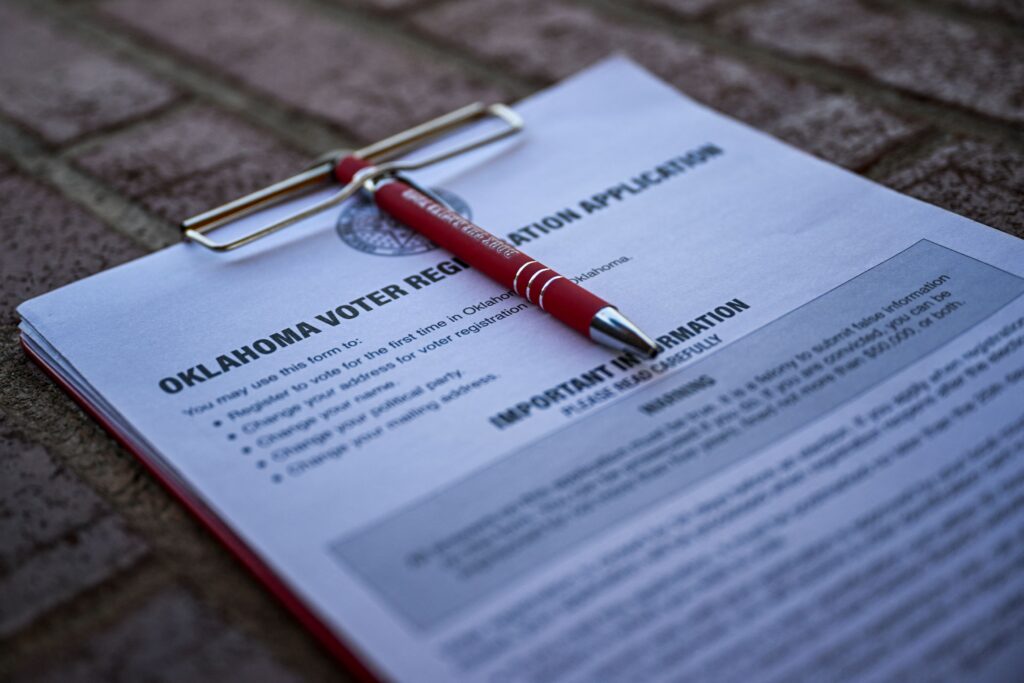
The Oklahoma Supreme Court Tuesday overturned restrictions on the ballot measure process, paving the way for voters to more easily exercise their right to direct democracy.
Republicans across the country have fought to restrict ballot measures, making it more difficult for voters to override the legislature.
The Oklahoma Constitution allows voters to place measures on the ballot for a referendum vote after gathering signatures from 8 percent of the voting population – or 15 percent of the population for constitutional amendments. But Oklahoma passed a law in 2015 to make the signature-gathering requirements more burdensome by capping the percentage of signatories from any one county at 11.5 percent of total voters in the most recent gubernatorial race.
Get updates straight to your inbox — for free
Join 350,000 readers who rely on our daily and weekly newsletters for the latest in voting, elections and democracy.
Bill sponsors claimed the caps were meant to protect rural voters, something Justice Noma Gurich rejected in the majority opinion.
“We agree with Petitioners that the caps pose broad First Amendment problems. As an initial matter, the caps do not accomplish the stated goal of rural participation,” Gurich wrote. “The caps prohibit the collection of any signatures beyond a specified percentage of a county’s latest gubernatorial votes. In doing so, the caps prohibit legal voters from signing petitions once their county’s signature maximum is met. This restriction will be most severe in the least populated counties.”
The signature caps impede the right of citizens to speak and assemble under the Oklahoma Constitution, Gurich wrote. She described the right of citizens to pursue referendum petitions as “sacred.”
The legislature’s goal of “enhancing rural representation does not justify severely burdening fundamental First Amendment rights,” Gurich said.