Election Conspiracy Theorist at DHS Denies Department Is Using Voter Data From DOJ
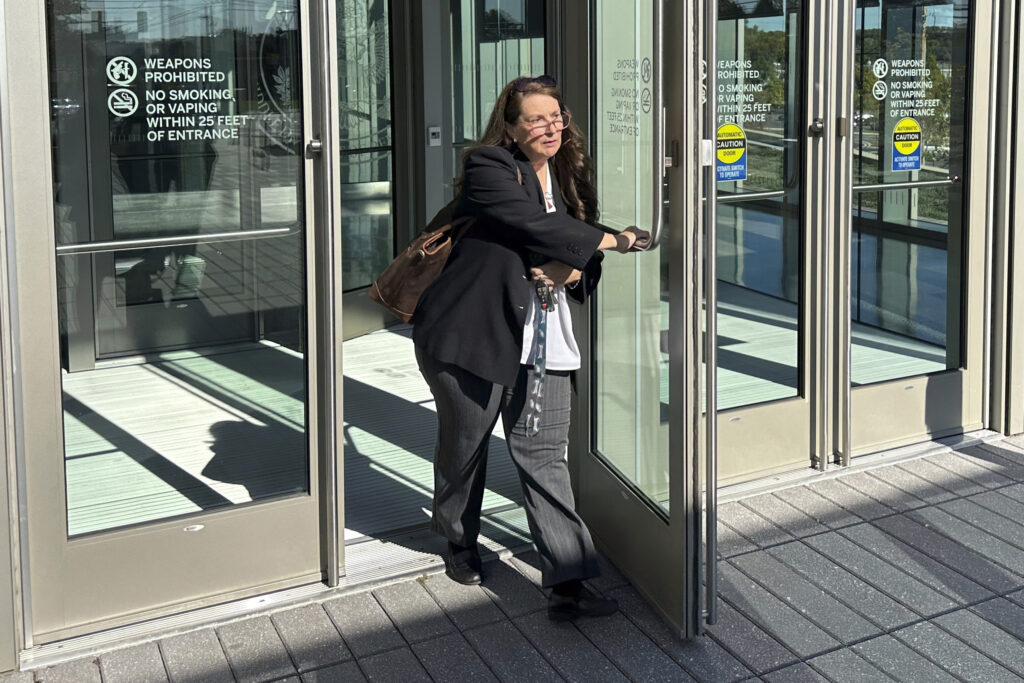
Heather Honey, a senior “election integrity” official in the Department of Homeland Security (DHS), said on a call last month with election leaders from nearly every state that the department is not using voter registration data collected by the U.S. Department of Justice (DOJ) to remove noncitizens from voter rolls, according to an election official on the call.
Honey’s claim appears to contradict what a DHS spokesperson told Democracy Docket in September, who said that voter registration data being collected by the DOJ is being shared with DHS as part of a broad push to remove noncitizens from the rolls.
A spokesperson for DHS did not address the contradiction in a statement to Democracy Docket.
“Heather Honey, has been an election system expert for over half a decade and has thirty years of expertise in auditing and intelligence analysis,” the spokesperson said. “We are not going to recount every conversation an employee has or has had, that would be insane.”
The dueling claims add further confusion to what’s known about the administration’s sweeping effort, little of which has been announced publicly.
Get updates straight to your inbox — for free
Join over 350,000 readers who rely on our daily and weekly newsletters for the latest in voting, elections and democracy.
Honey — a leading election conspiracy theorist who was appointed in August as deputy assistant secretary for elections integrity in DHS’s Office of Strategy, Policy, and Plans — held a call in September to discuss voting issues and hear concerns about election resources from the top election officials from nearly all 50 states, the New York Times reported this week. During the call, several election officials pressed Honey about DHS’s receiving voter data from DOJ, the election official said.
“I don’t know if she’s stupid or lying,” the election official told Democracy Docket.
Honey is best known as the founder of Pennsylvania Fair Elections (PFE), an anti-voting group and state partner of the Election Integrity Network, which is led by Cleta Mitchell, the prominent anti-voting lawyer who has praised Honey as a “wonderful person.” Honey played a key role in spreading election conspiracy theories in Pennsylvania in the aftermath of the 2020 election — including one picked up by President Donald Trump on Jan. 6, 2021.
Since May, DOJ has been pressing states to hand over their voter rolls — including sensitive personal information for every individual voter. The DOJ claimed in letters to states it wants the information to ensure states are complying with federal voter laws.
But some state election officials and voting rights advocates fear the department has ulterior motives. Numerous states have refused to hand over their voters’ data, citing privacy concerns and claiming DOJ doesn’t have a legal right to the information. The DOJ then sued eight states in an aggressive campaign to seize those states’ personal voter data.
“She said she couldn’t speak for the DOJ, but she really didn’t have any use for [their voter data] at Homeland Security, and wasn’t interested in it,” the official said.
“We asked a bunch of questions about, had DHS asked for that information [from DOJ]?” the official added. “Would they accept it if it was offered by DOJ? Would DHS tell states if they receive that information? Would they verify that DHS was using it for the purposes that DOJ says they’re requesting? And she said DHS had not requested any data from DOJ and wasn’t going to be using it. And that just doesn’t seem to be true.”
A spokesperson for DHS did not immediately respond to a request for comment.
State election officials — which include secretaries of state and other election administrators — also pressed Honey about the effect of cuts to the Cybersecurity and Infrastructure Security Agency (CISA) on how states run secure elections. The Trump administration cut $135 million from CISA’s budget, including gutting its crucial Elections Infrastructure Information Sharing & Analysis Center (EI-ISAC), which states have come to rely on for protecting elections from cyber and physical security threats.
But Honey dismissed concerns about cuts to CISA and accused EI-ISAC of “moving into censorship and telling Americans what they should believe,” according to the election official.
“It was deeply disturbing,” the election official said. “It’s not accurate, it’s defamation, and it’s just absurd.”
The DHS spokesperson echoed Honey’s comments.
“During the Biden Administration, liberal mainstream media outlets did not have any issue with CISA performing duties outside of its statutory authority – to include censorship, branding, and electioneering,” the spokesperson said.
This story has been updated to include comments from a DHS spokesperson.