Court revives Arizona voting restrictions ahead of midterms
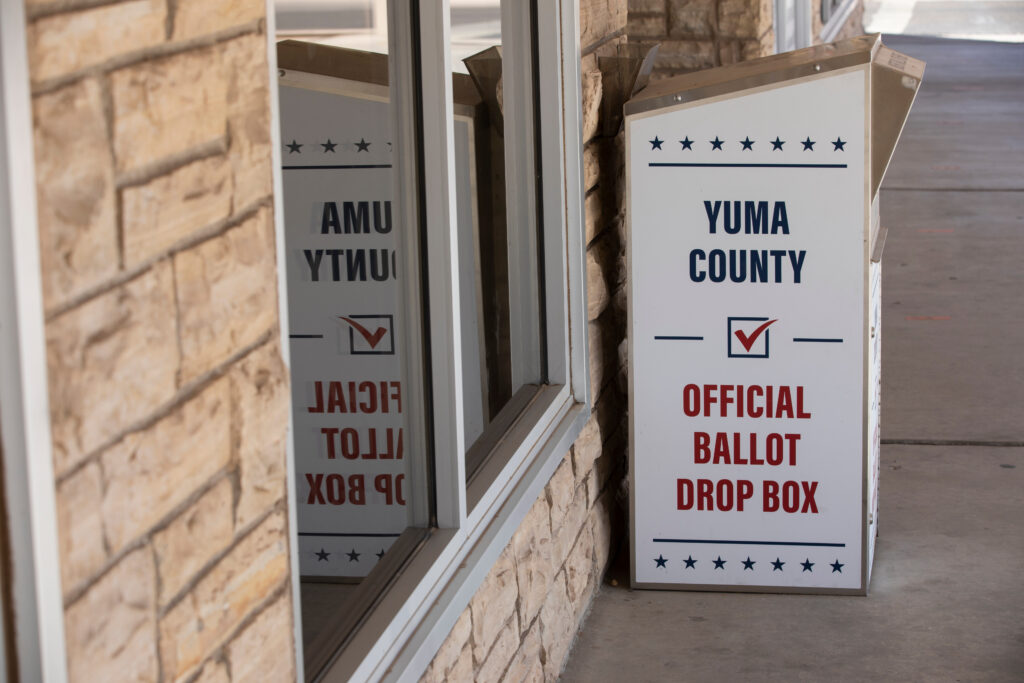
The Ninth Circuit ruled to uphold previously blocked voting laws in Arizona that will go into effect in time for the state’s midterm general election, making it harder for some voters to cast ballots.
The 11-judge panel Friday reinstated two provisions of a 2022 law that imposed strict voter registration requirements. Parts of the bill have faced heavy litigation since its inception, with courts flip-flopping on the legality of the suppressive measures.
One provision demands that a voter’s registration be cancelled when they move to a different county within the state. The other provision criminalizes what are deemed “mechanisms for voting,” which plaintiffs argue could include anything from helping someone update their address to sending a child at college their absentee ballot.
Get updates straight to your inbox — for free
Join 350,000 readers who rely on our daily and weekly newsletters for the latest in voting, elections and democracy.
The Arizona Alliance for Retired Americans, Voto Latino and Priorities USA sued* because they said the provisions disenfranchise eligible voters. The groups argued select parts of the bill violate First and 14th Amendment rights.
“The possibilities of prohibited activities are nearly limitless,” the plaintiffs argued.
Under the felony provision, the pro-voting groups said even the act of helping someone cancel a voter registration in a county they used to live in — in other words, upholding the law itself — could be considered a “mechanism for voting” and therefore a felony.
Some of those most likely to face challenges voting as a result are younger voters and older retired voters. Poorer and non-white voters are also likely to move more frequently, meaning they’re at a higher risk for disenfranchisement, according to plaintiffs.
The court ruled the pro-voting groups who sued do not have standing to challenge the cancellation provision, arguing the law doesn’t interfere with the groups’ work. And while the court said the groups did have standing to challenge the felony provision, it concluded they are unlikely to prevail.
In short, judges said the plaintiffs were wrong in taking a broad definition of criminal activities, to include considering it a felony to mail ballots to recently retired parents or children away at school.
“The better reading of ‘mechanism for voting’ is an ‘instrument’ or ‘technique’ for voting, like a ballot,” U.S. Circuit Judge Anthony D. Johnston wrote in the opinion. “So it likely does not include voter registration and mobilization.”
But voters and advocates have staunchly disagreed. Eighteen community and public interest groups authored an amicus brief in support of blocking the laws in 2024.
Five judges, including four Trump appointees and one George W. Bush appointee, concurred. They said the majority opinion should have gone even further to restrict any challenges to the provisions, including the felony provision.
The last day to register to vote in Arizona is Oct. 5, and early voting begins Oct. 7.