North Carolina Republicans want to let justices remove Democratic judges
Republicans in North Carolina have passed a bill that gives the GOP majority on the state Supreme Court the power to remove judges they don’t like.

Republicans in North Carolina have passed a bill that gives the GOP majority on the state Supreme Court the power to remove judges they don’t like.
We face one of the greatest challenges to Black political participation since the VRA first came into existence.

The next attorney general must be someone who will restore integrity, objectivity, and — above all — uncompromising independence to the DOJ.

The role of young people in helping to build a freer and more democratic America has often been overlooked.

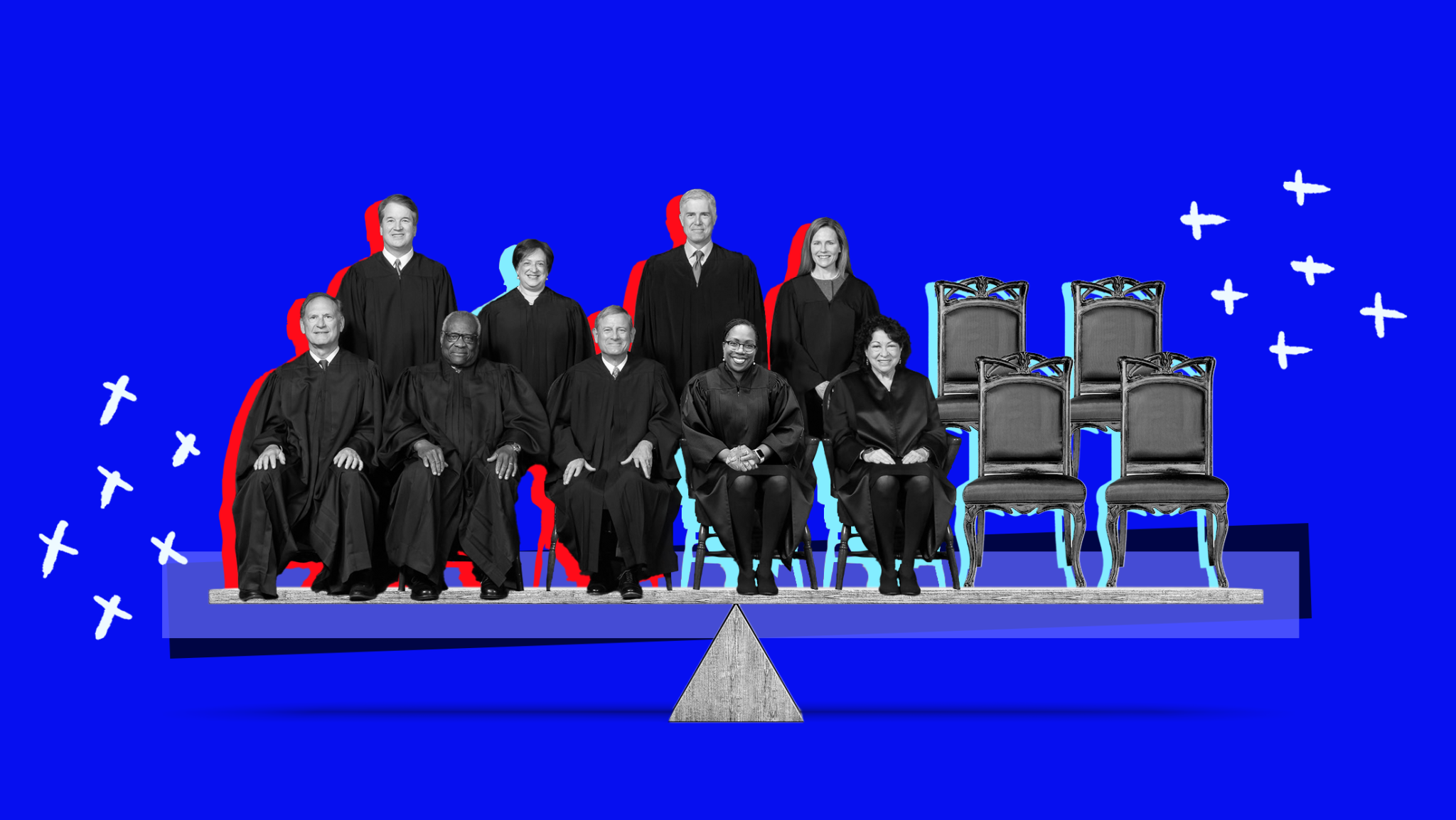
If the current 6-3 Court isn’t bad enough, we may be saddled with an even more entrenched conservative court in short order.
Across the country, jail-based voting programs have proven to be successful, including voter registration, education and the creation of polling locations.

Trump has installed Kurt Olsen, an attorney tied to the software taken through these breaches, at the Department of Justice.
The future of American democracy will not be decided in Washington. It will be decided in state capitols across the country.

Under Trump’s second coming, the Foxification of the media has accelerated. Media companies are not just acquiescing to Trump’s coercion; they are actively turning themselves into a pale imitation of a Roger Ailes creation.

Nearly every other wealthy democracy has taken affirmative steps to make voting easy. In the U.S., it all depends on where you live.

Page 1 of 31