Mississippi GOP doubles down on gerrymandering after blue wave blowout
 Prefer us on Google
to see more of our voting rights news coverage when you search.
Mississippi Republicans are signaling even more voter suppression and gerrymandering ahead in the wake of Democrat Scott Colom’s historic victory this month over GOP incumbent Sen. Cindy Hyde-Smith.
Mississippi already has some of the most restrictive voting laws in the nation. But Gov. Tate Reeves (R) has only doubled down on the GOP’s anti-voting agenda since Election Day, insisting that long-running attacks on redistricting and mail voting remain on the table. Mississippi Democrats, meanwhile, are pushing to make voting easier in the state — and they’re demanding an investigation into the hurdles voters just faced at the polls.
“I have every intention of there being a special session for redistricting,” Reeves told a local news outlet Wednesday, recommitting to a new gerrymandering effort.
Get updates straight to your inbox — for free
Join 350,000 readers who rely on our daily and weekly newsletters for the latest in voting, elections and democracy.
Reeves announced in May that Republicans planned to dismantle Mississippi’s sole Black-majority district at some point after the midterms. Unlike other Southern states that redrew congressional maps immediately after the Supreme Court gutted the Voting Rights Act, Mississippi could not revise its map ahead of the midterms because the state had already conducted its primary election.
But Reeves made it clear that the gerrymander would take aim at Mississippi’s 2nd District, represented by Democratic Rep. Bennie Johnson, the state’s only Black member of Congress.
“It is not a matter of “IF…,” Reeves wrote in a May social media post. “Just a matter of “WHEN!”
Despite Colom’s victory and the spectacular failure of GOP gerrymanders across the country, Reeves claims there is still interest in a redistricting special session.
He also renewed another vote suppression tactic this week, asking lawmakers to eliminate the state’s five-day grace period for mail ballots that arrive after Election Day. That battle already went to the Supreme Court this year, which firmly rejected Republicans’ argument that the grace period violated the U.S. Constitution.
Even as Reeves doubles down on voter suppression, Mississippi Democrats are ramping up demands for accountability and better voting laws. Colom’s Senate victory put the national spotlight on the extraordinary challenges Mississippi voters face to cast a ballot. Mississippi strictly limits access to mail voting and is one of just three states that do not allow in-person early voting.
Mississippi Secretary of State Michael Watson (R) is facing scrutiny for using data from the credit reporting company Experian to mark more than 200,000 voters as inactive.
Now, Black state lawmakers are calling for an investigation and a public hearing.
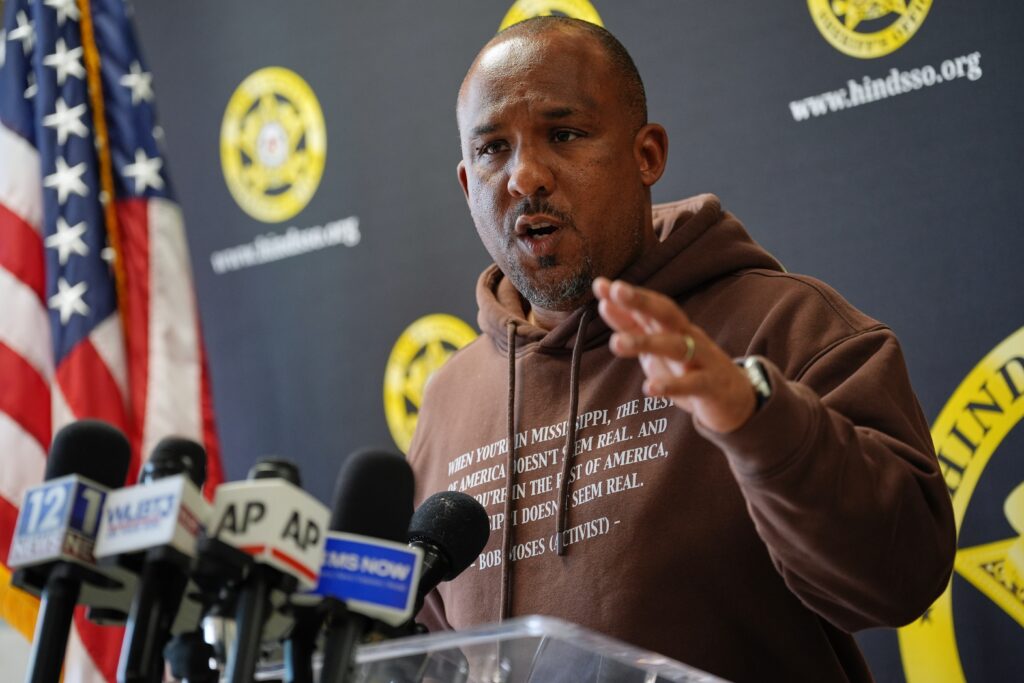
State Rep. Kabir Karriem (D), chair of the Mississippi Legislative Black Caucus, told reporters Thursday that Watson must provide information about who approved the use of Experian data and how many voters were marked inactive.
“Mississippians did their part; they showed up to vote,” Karriem said. “Now the officials who run our elections owe them answers.”