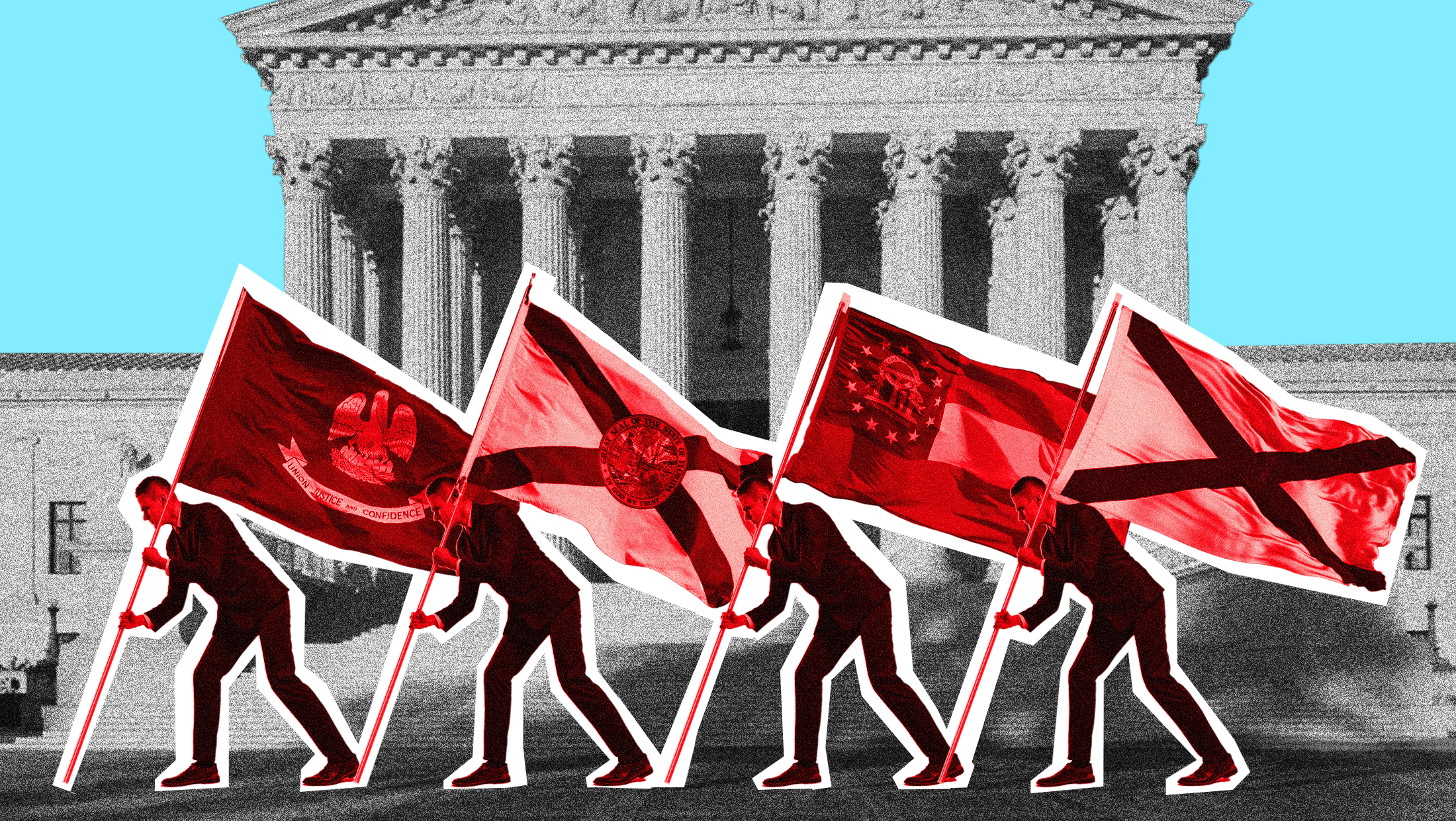
Ohio’s Democracy Pays the Price for LaRose’s Political Ambition
Just because LaRose’s path to the U.S. Senate hit a major roadblock doesn’t mean his anti-democratic actions will.

Read in-depth op-eds on voting rights and democracy from our contributors, guest authors and Democracy Docket's founder, Marc Elias. Use the drop-down menu to organize by topic.
Just because LaRose’s path to the U.S. Senate hit a major roadblock doesn’t mean his anti-democratic actions will.
The path to a brighter future lies in the hands of those who are ready to step up and lead.

As it was in previous years, one of the main story lines in 2023 is the staggering record of losses Republican lawyers had in court.
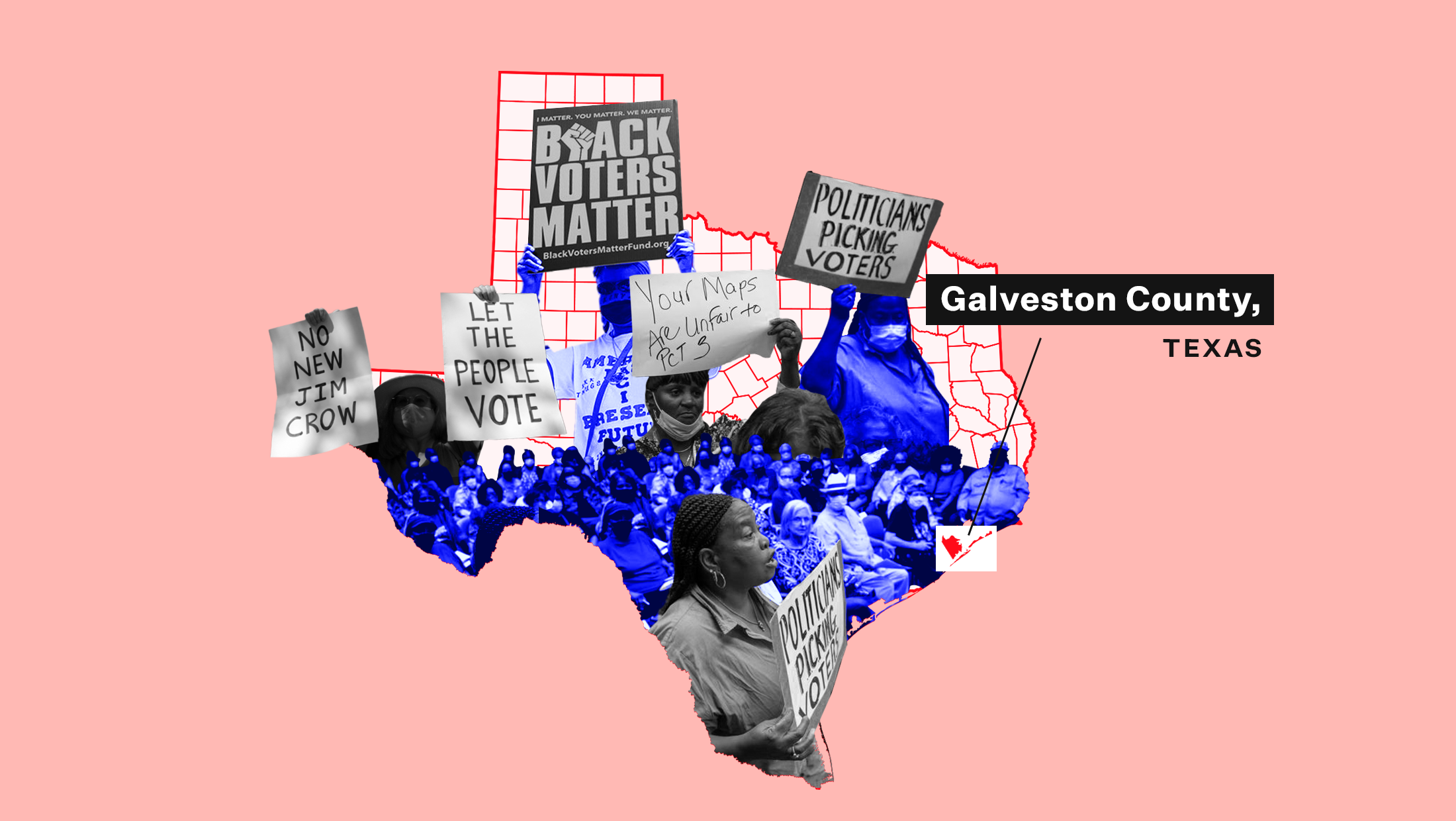
The brave citizens in Galveston recognized the injustice that was thrust upon them and spoke out because they knew the power of their voices.
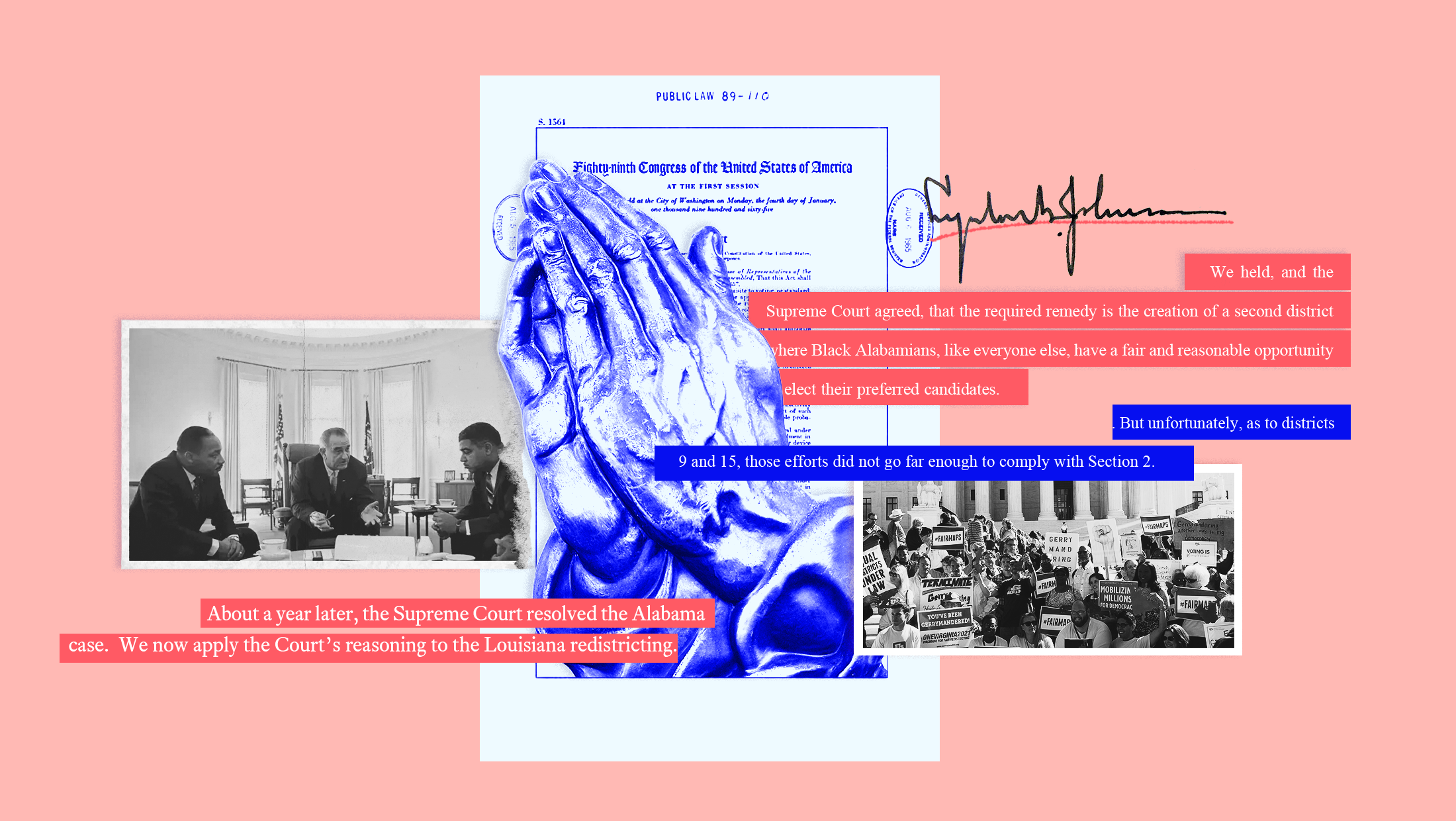
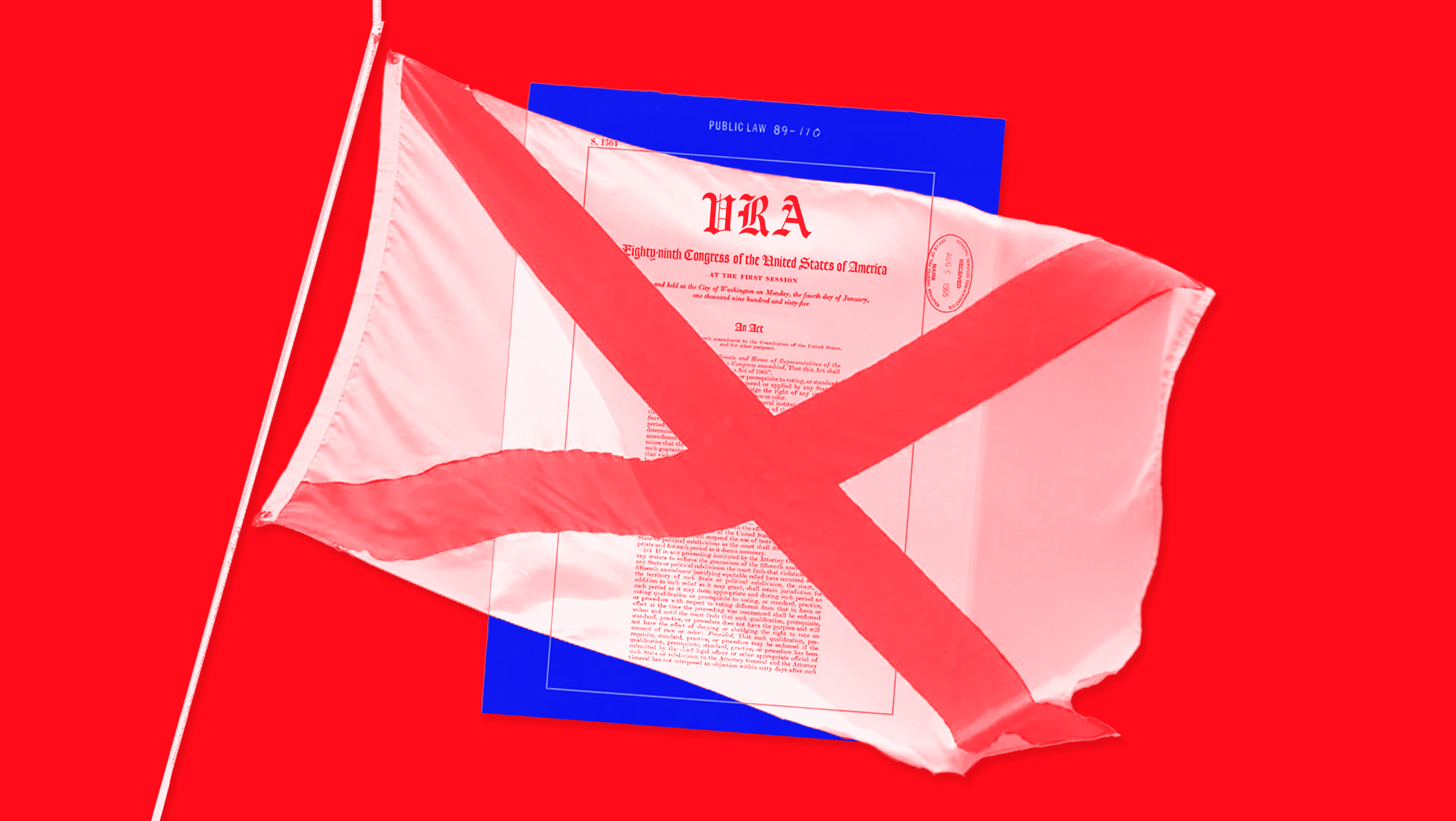
If Allen was the only VRA victory of the year, it would be a good year. But the impact of this landmark decision didn’t extend just to Alabama.
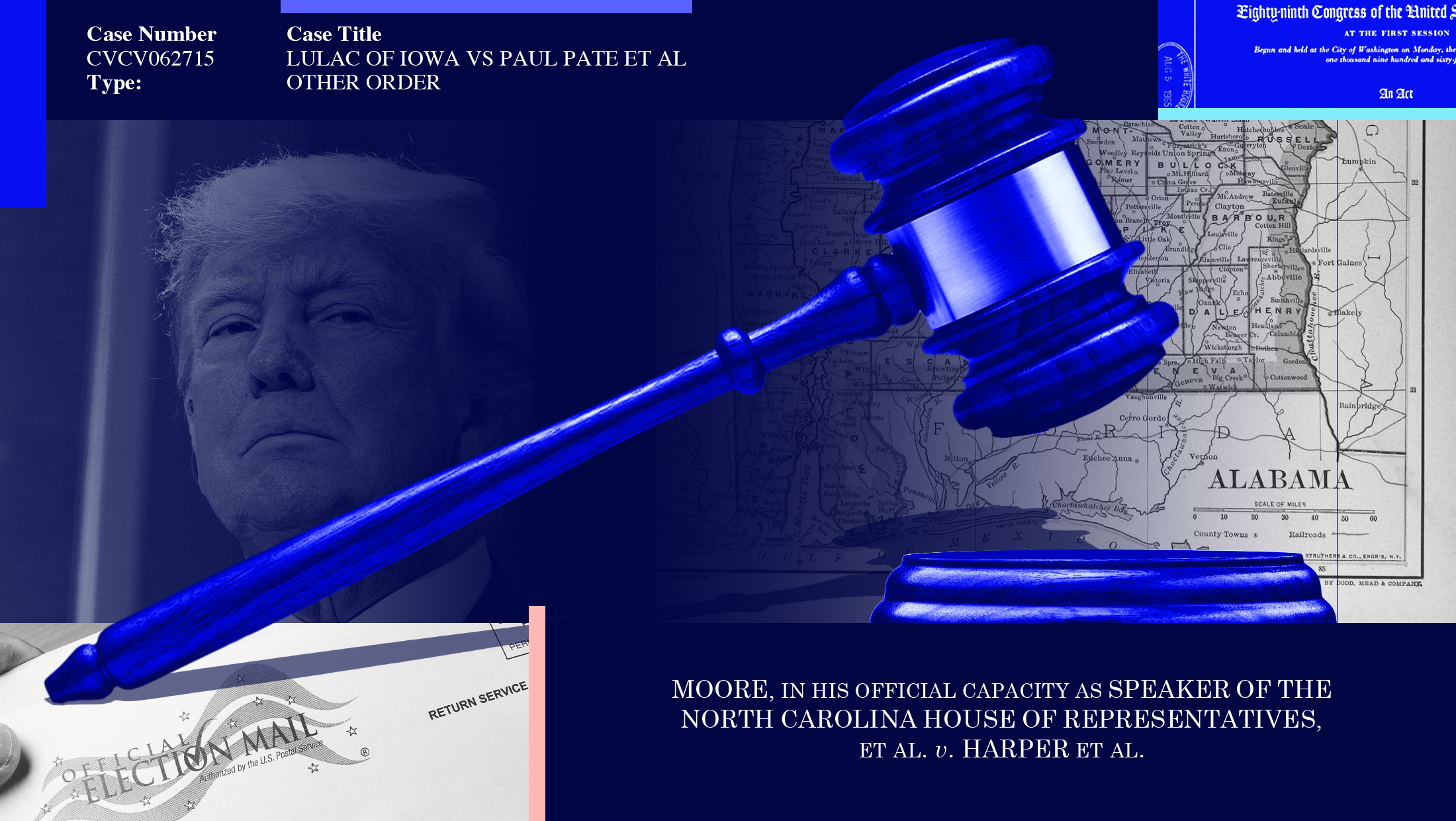
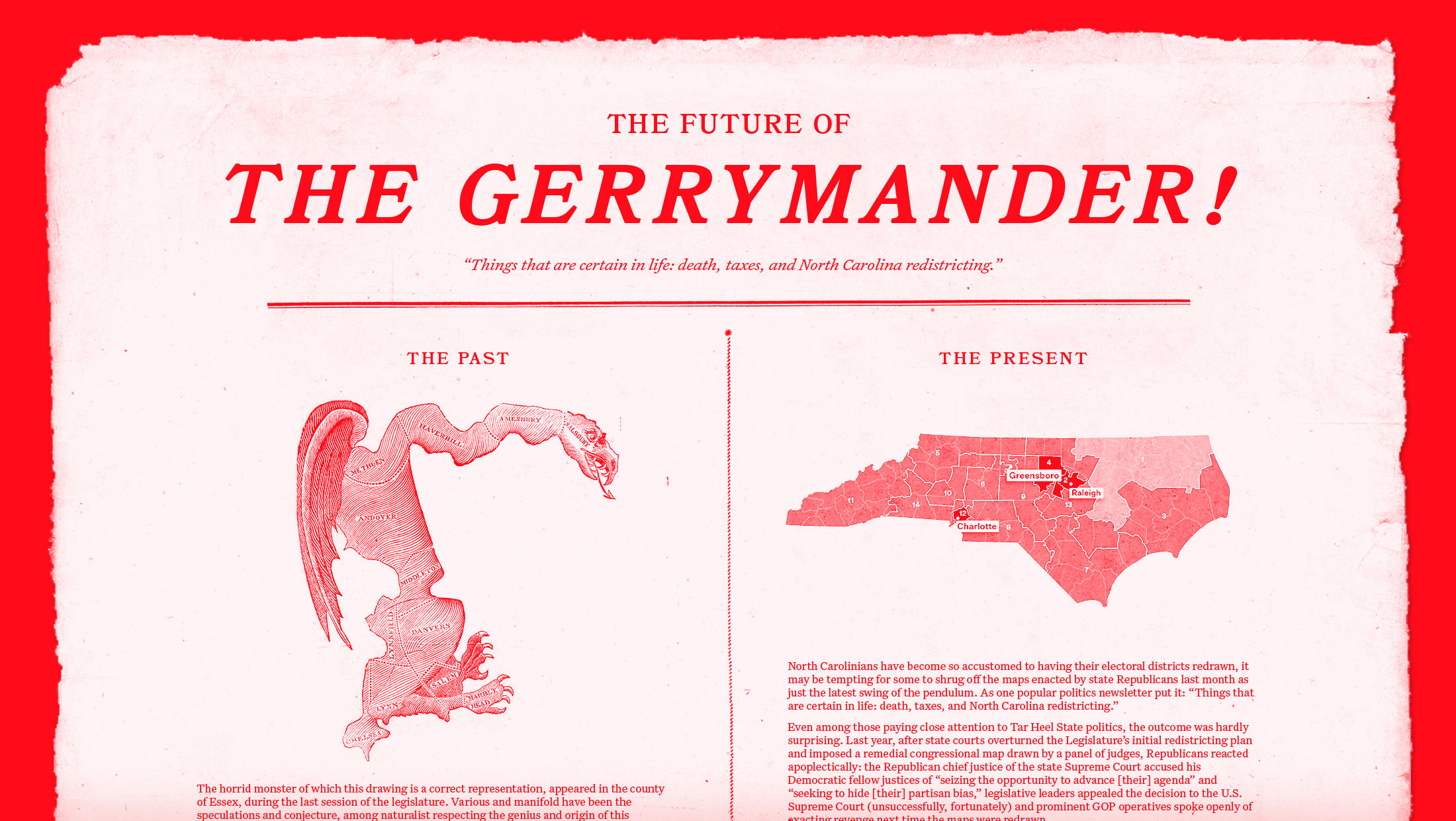
The impact of the new maps — on state and national politics and on the lives of North Carolinians — will be profound.
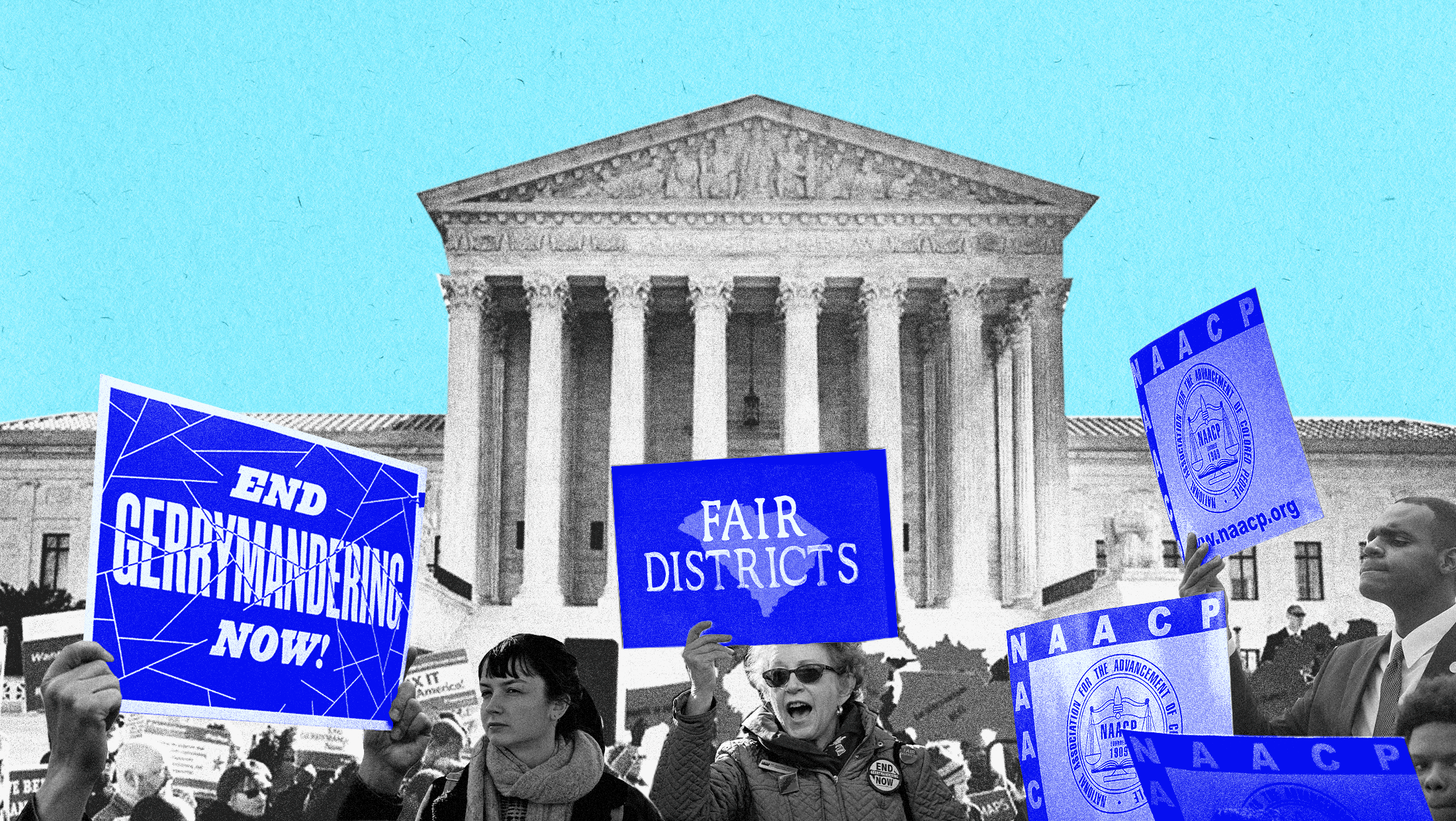
Today, the U.S. Supreme Court will hear oral argument in a case that will shape the future of South Carolina’s Black communities.
Republican-controlled legislatures are ignoring the law because they have decided that defiance is good politics.
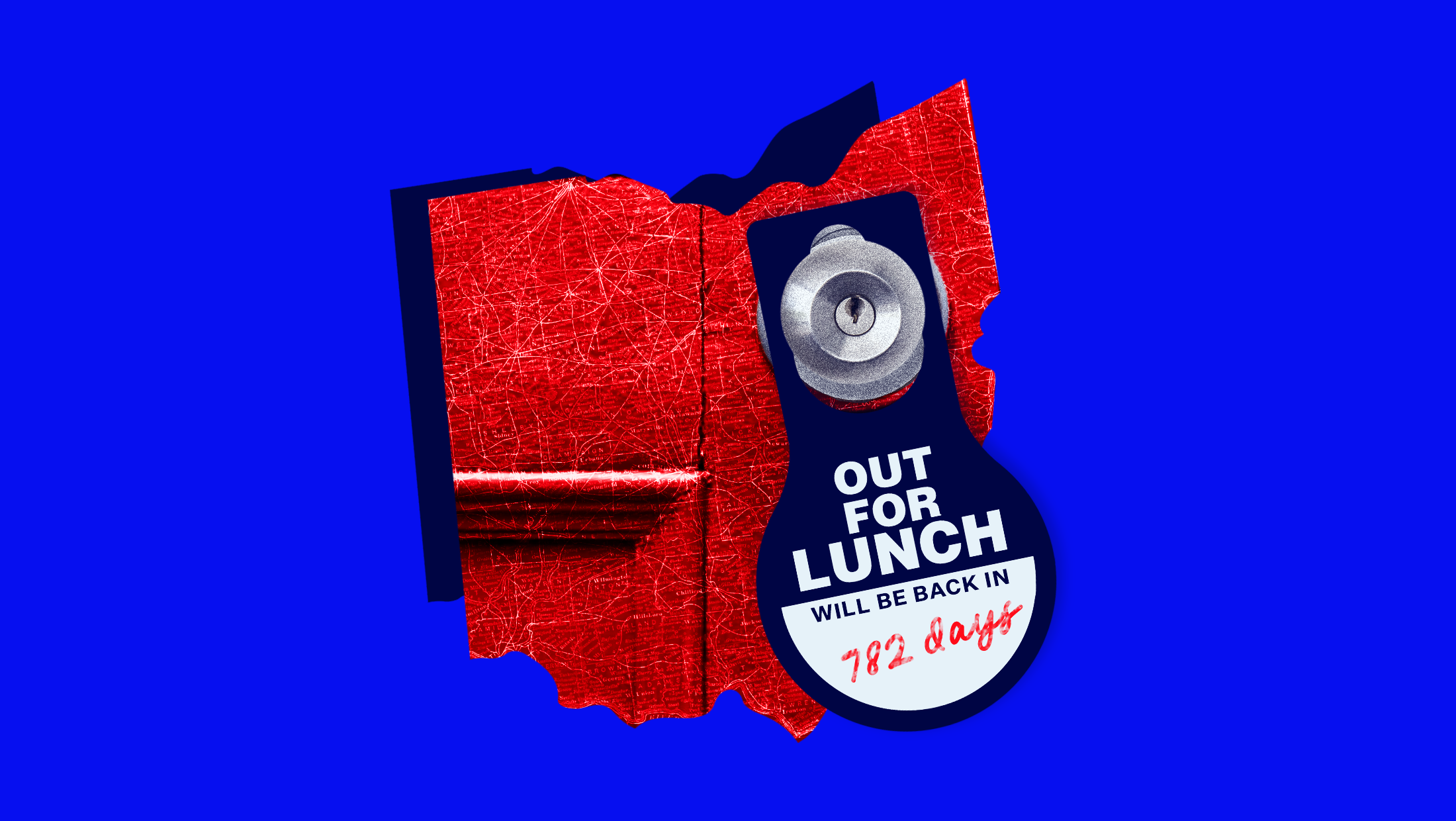
After 782 days and five bipartisan court strike downs of illegal Republican gerrymanders, Ohio is closing out its 2021 mapping cycle with Democrats caving on maps.
It’s been a rough year for lawyers tasked with defending Republican redistricting maps in court.