No kings
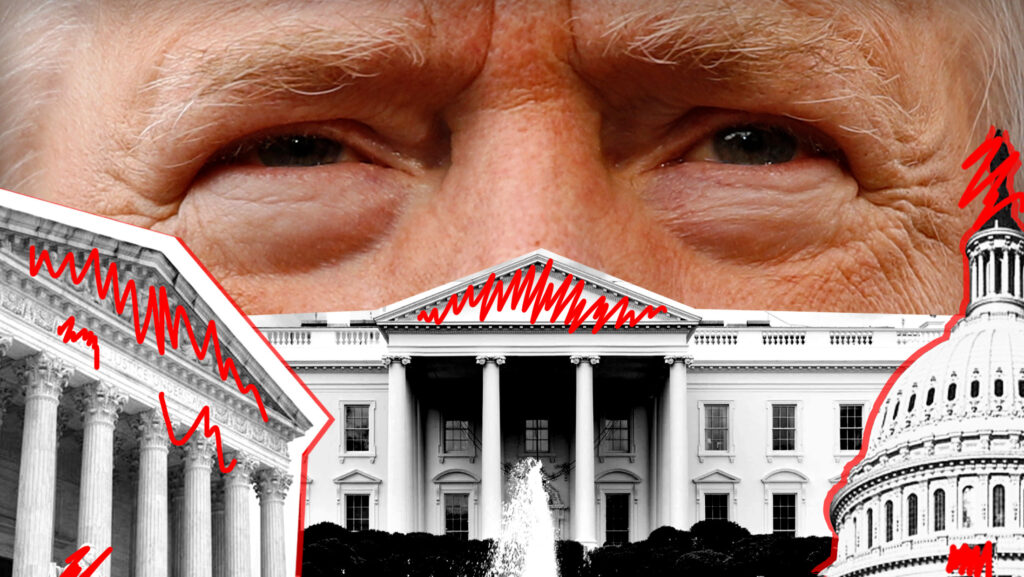
I must admit, I have never liked kings.
Perhaps it was the lessons I learned in school about the events leading up to the Revolutionary War. Or perhaps it was the fact that, as a young Jewish boy growing up in New York, authoritarians of all stripes — pharaohs, emperors, czars, and yes, kings — were always the villains in the stories I was told. They were the source of strife, persecution and exile.
It was King Ferdinand, along with his wife Queen Isabella, who instituted the Spanish Inquisition. King George III famously taxed the American colonists without heeding their pleas for representation.
Get updates straight to your inbox — for free
Join 350,000 readers who rely on our daily and weekly newsletters for the latest in voting, elections and democracy.
The modern set of royals seems to serve no purpose beyond providing the rest of us with something to gossip about. Others may find use for nostalgia, but not me. I was happy to stick to presidents, prime ministers and other heads of state elected by their people.
My strong aversion to kings has, at times, put me outside the mainstream. I have never attended a presidential campaign rally or insisted that any one person would, if elected, solve the nation’s ills.
I do not seek out charismatic leaders — I recoil from them. I have always voted for the person I believed was best qualified and most suited to faithfully execute the duties of the office.
My aversion to kings has also shaped my politics and my view of the law.
The Constitution is decidedly anti-king. Not only does it prohibit the United States from conferring titles of nobility, but it also prohibits its officers from accepting any “Emolument, Office, or Title, of any kind whatever, from any King, Prince, or foreign State.”
I must admit, I have never liked kings.
The entire Bill of Rights is properly understood as a limitation on government powers that were abused by the Crown during colonial rule. So, too, are fixed terms of office and the direct election of members of Congress.
Often overlooked is the Constitution’s guarantee to “every State in this Union a Republican Form of Government” — a provision inserted specifically to ensure that no state could adopt a monarchy within its borders.
But far and away, the most important protection against monarchy is the separation of powers — and in particular, the narrow role the Constitution assigns to the president.
In modern political life, we speak casually of three co-equal branches of government. But the structure of the Constitution makes clear that Congress, not the president, is supposed to be the first among equals.
The president’s powers are deliberately limited. He is commander in chief of the armed forces but has no power to declare war. He can negotiate treaties and appoint ambassadors, but only with Senate approval. He can issue pardons.
He can veto legislation, but he can neither initiate it nor impose it without Congress — and Congress can override his veto. Most importantly, he bears the responsibility to “take Care that the Laws be faithfully executed.” To sum it up: He executes the laws. He does not make them.
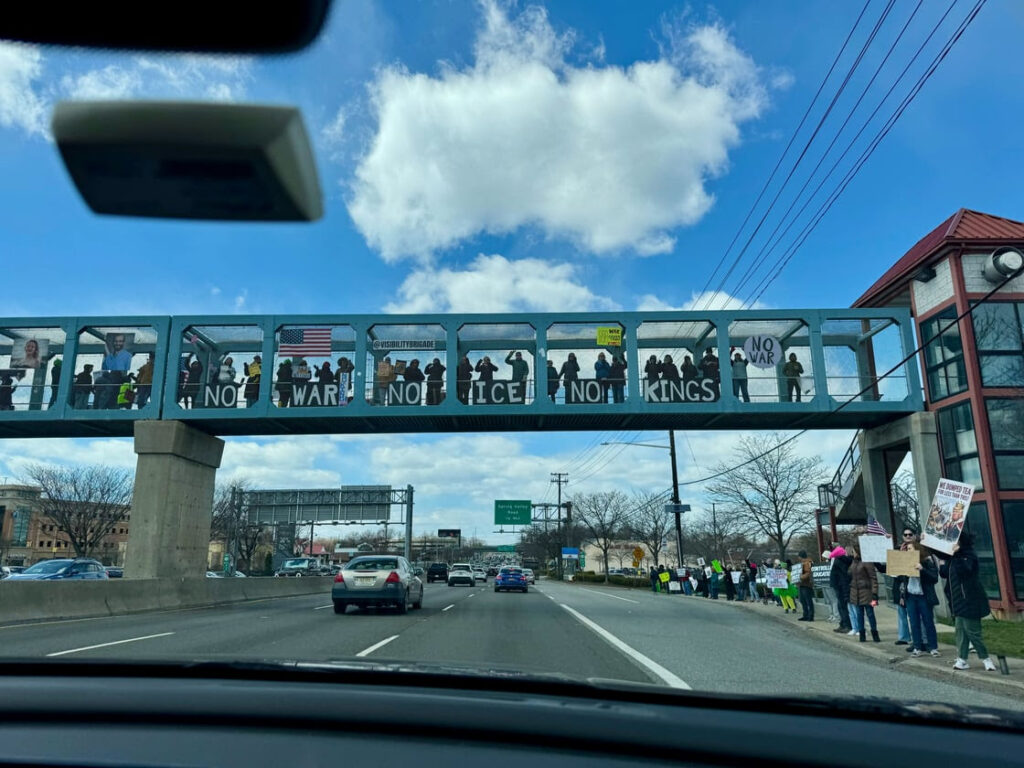
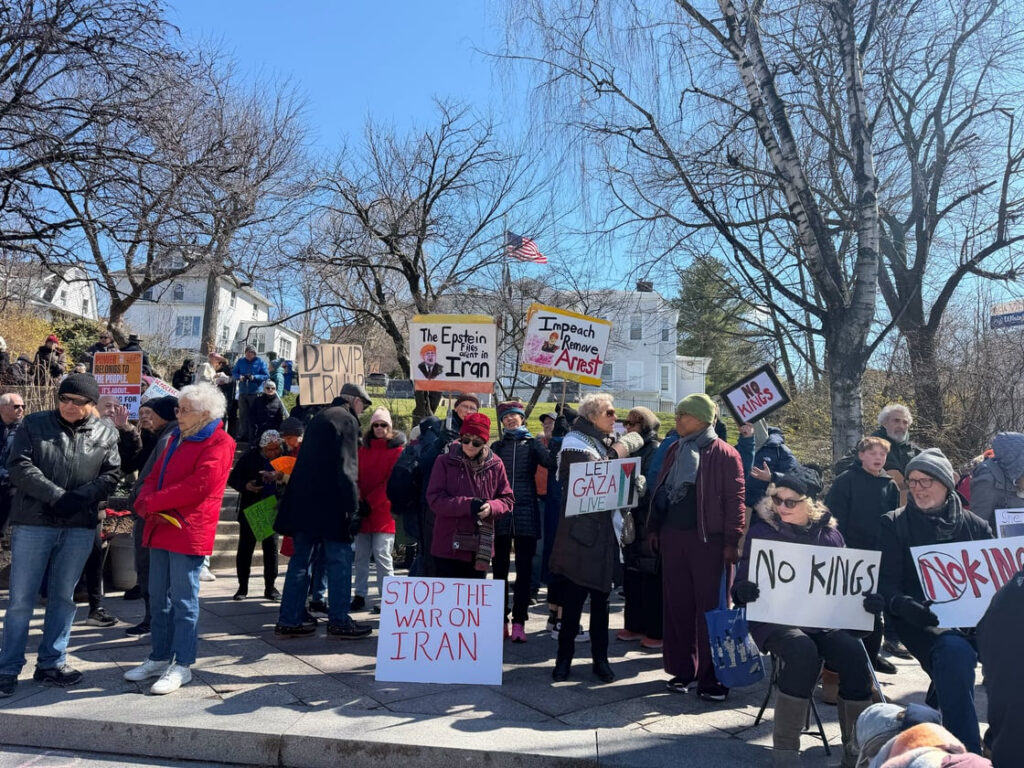
On Saturday, when millions of Americans took to the streets and declared “no kings,” they were objecting to Donald Trump’s disregard for these constitutional limitations.
He has undertaken a war without congressional authorization. He has attempted to legislate via executive orders signed only by him. He has asserted powers over elections he does not have. He has made clear that he views himself as above the law.
In short, Donald Trump has declared himself a king.
Yet declaring yourself a king does not make you one. Kings have subjects. We are citizens. Kings rule. Presidents govern. Or at least, they are supposed to.
Under our Constitution, we the people have the final say. That’s why the midterm elections will be the most consequential referendum on presidential power in a generation.
It is no surprise that Trump wants to undermine these elections. He wants to decide who can vote, how votes are counted, and how to overturn results that threaten his hold on power.
He wants to be a king.
The Founders did not build a perfect system. But they built one with a remarkable feature: the people themselves are the last line of defense. All of us, together, cast ballots and demand that those ballots be counted.
I have spent my career in courtrooms fighting for the right to vote, and I will continue to do so in the months ahead. We will rely on the rule of law and the courts to do their part, but first we must do ours.
Make sure you are registered to vote, and check with your friends and family to make sure they are as well. Explain the stakes of this election to everyone who will listen — not just as it relates to the economy or prices — but as it affects the future of democracy.
If they are persuaded, move on to the next person. If they are confused or don’t agree, put it in terms every American should appreciate: No kings.