Washington state finds U.S. citizens on DOJ’s noncitizen voter list, rejects demand to set aside ballots
 Prefer us on Google
to see more of our voting rights news coverage when you search.
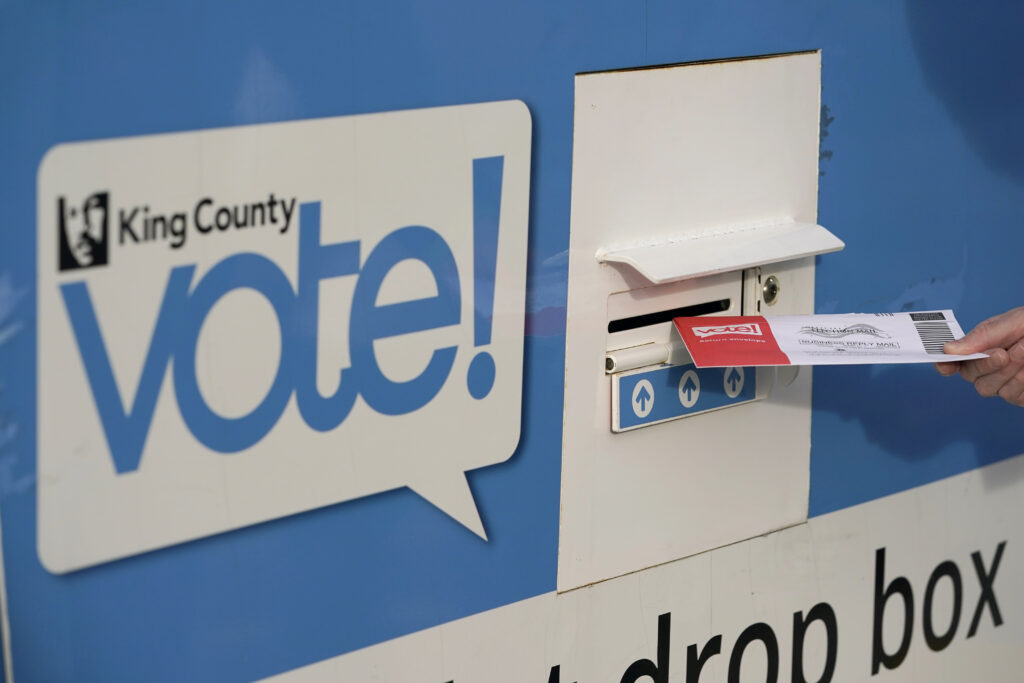
Washington election officials announced a preliminary review of a federal list of more than 400 alleged noncitizen voters has already uncovered U.S. citizens, inactive voters and people who are not currently registered. The revelation renews concerns about the accuracy of the Trump administration’s expanding effort to identify supposedly ineligible voters.
Secretary of State Steve Hobbs (D) disclosed the findings Wednesday in a blistering response to the Department of Justice (DOJ), which this week threatened litigation unless Washington stopped processing ballots tied to people on a list supplied by the Department of Homeland Security.
“A preliminary investigation confirms what your letter acknowledges: This list includes United States citizens and is not reliable,” Hobbs wrote. He said refusing to process a registered voter’s ballot without individualized proof of ineligibility would be “both irresponsible and illegal.”
Get updates straight to your inbox — for free
Join 350,000 readers who rely on our daily and weekly newsletters for the latest in voting, elections and democracy.
DOJ’s letter said DHS had identified more than 400 people who federal officials believed were or had been noncitizens and who, “with a high level of confidence,” had voted in Washington elections. The department told Hobbs to review the list within 24 hours and, if any listed voter returned a ballot, instruct election officials not to verify or tabulate it until citizenship could be determined. DOJ threatened to seek emergency relief if Washington did not comply.
But Hobbs said the state’s initial review quickly exposed multiple problems.
A “significant number” of people on the federal list are either not currently registered or have inactive registrations, he wrote, contradicting DOJ’s suggestion that all of them would receive ballots in the 2026 election. Washington also identified “many” people on the list as U.S. citizens and warned that those already found could be only the “tip of the iceberg” of voters who would be wrongfully disenfranchised if the state followed DOJ’s demand.
Hobbs also sharply criticized the quality of DOJ’s submission.
He said federal officials provided no explanation of how the data was collected, identified no underlying sources and supplied no supporting documentation. The list arrived as a PDF containing a printed spreadsheet rather than a usable electronic file, omitted fields such as voter identification numbers and addresses that could aid matching, and included duplicate entries.
DOJ’s letter also misstated Election Day as Nov. 2. The election is Nov. 3.
“Basic factual errors like this are unacceptable and risk confusing voters,” Hobbs wrote.
Hobbs also argued that halting ballots based solely on the unverified federal list could itself violate federal law, pointing to Voting Rights Act protections against refusing to count qualified voters’ ballots and the National Voter Registration Act’s restrictions on systematic voter removals within 90 days of a federal election.
He invited DOJ to provide individualized evidence against any voter it believes is ineligible.
“But these processes require proof, not just allegations,” Hobbs wrote, urging federal officials to reconsider what he called their “deeply flawed data” rather than pursue a late-breaking lawsuit against the state.