Virginia Supreme Court rejects Democrats’ redistricting plan, throws out election
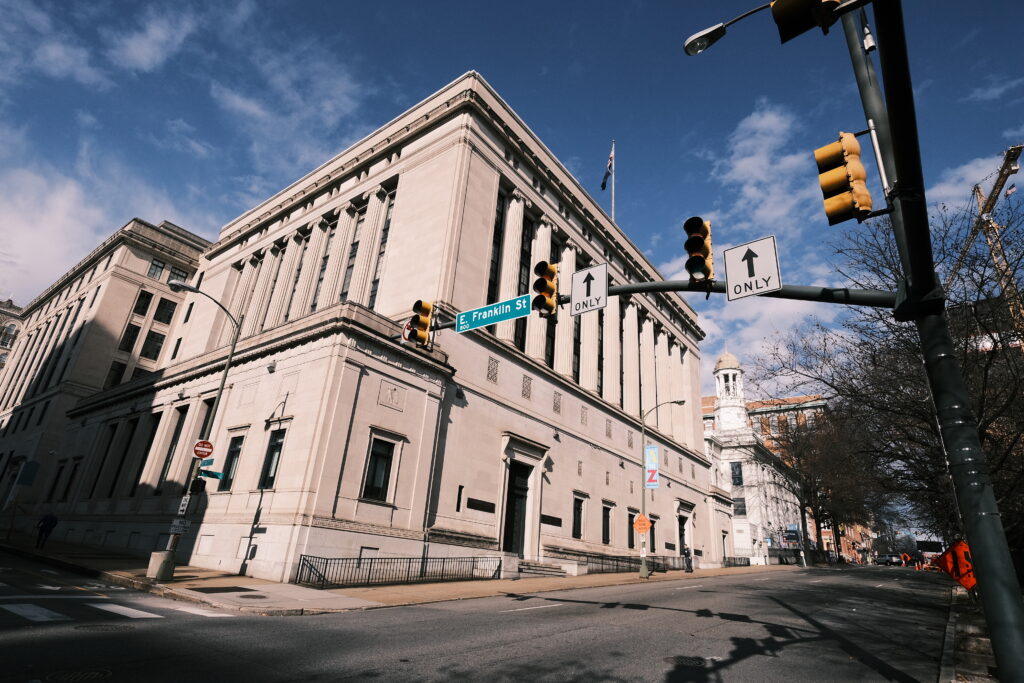
The Virginia Supreme Court has approved a GOP bid to throw out the results of a special election in which voters approved a new congressional map proposed by Democrats.
In a 4-3 ruling, the state’s highest court found that the Virginia legislature violated procedural rules while passing a constitutional amendment on redistricting and placing it on the ballot.
In effect, the court overruled the will of Virginia’s voters after the election had already taken place.
“On the issues before us in this case, we hold that the ultimate vote margin plays no role in the analytics of our judicial review of the constitutionality of the pre-election constitutional-amendment process. Neither a high margin of success nor a single-digit margin… logically or legally matters,” Justice D. Arthur Kelsey wrote in his opinion.
The ruling delivers a severe blow to Democrats’ efforts to fight back against partisan gerrymanders pushed by President Donald Trump in Republican-controlled states. And it gives the GOP a distinct advantage for the upcoming midterm elections.
“Huge win for the Republican Party, and America, in Virginia,” Trump wrote in a celebratory post on Truth Social. “The Virginia Supreme Court has just struck down the Democrats’ horrible gerrymander.”
Get updates straight to your inbox — for free
Join 350,000 readers who rely on our daily and weekly newsletters for the latest in voting, elections and democracy.
Although the Virginia Supreme Court justices said vote margins in the special election did not influence their decision, their ruling appeared to object to the partisan nature of Democrats’ redistricting proposal — even though states across the country are currently enacting partisan gerrymanders, a practice the U.S. Supreme Court has deemed legal.
“Under the proposed new map, approximately 47% of Virginians that voted for representatives of one of the major political parties in the last congressional election would now be represented by 9% of Virginia’s delegation to the U.S. House of Representatives — while the approximately 51% of Virginians that voted for the other major political party would now be represented by 91% of Virginia’s congressional delegation,” the opinion states.
Virginia voters approved Democrats’ plan as a countermove to help cancel out Trump’s gerrymandering gains in other states — a GOP effort that began almost a year ago, when the president claimed Republicans were “entitled” to five more congressional seats in Texas.
Texas, Missouri, North Carolina, Tennessee, and Florida passed gerrymandered maps at Trump’s request, resulting in up to 12 more potential GOP seats in Congress.
Ohio conducted its own legally required redraw, adding two more potential GOP seats.
As a result of the U.S. Supreme Court gutting the Voting Rights Act last week, making it easier for states to gerrymander, legislatures in Alabama, Louisiana and South Carolina are also moving to change their congressional maps to favor Republicans.
Unlike in GOP-controlled states, Virginia Democrats’ map was approved by voters at the ballot box, but still faced an onslaught of litigation.
The week after the April 21 referendum, the Virginia Supreme Court heard oral arguments in one of three Republican challenges to the redistricting plan. Republicans argued that Democratic lawmakers violated certain procedural rules in passing the redistricting constitutional amendment they put on the ballot.
They challenged Democrats’ decision to reconvene an already open special session and alleged that they failed to hold an intervening election before passing the proposed amendment for a second time — both requirements of the Virginia Constitution. They also asserted that local officials failed to publish notice of the proposed amendment 90 days before the November general election.
Democrats contended that the previously called special session was still active when the proposed amendment passed, that an intervening election did occur and that the 90-day notice was not required by the state’s constitution. And above all, Democrats argued, the court should not nullify the will of the voters on technical grounds.
A lower court previously sided with Republicans, but the Virginia Supreme Court paused that ruling, delaying weighing in on the case until after the special election took place.
Despite the redistricting measure’s success at the polls, the justices were ultimately not deterred from overriding the voters.