Utah GOP asks state Supreme Court to revive blocked congressional gerrymander
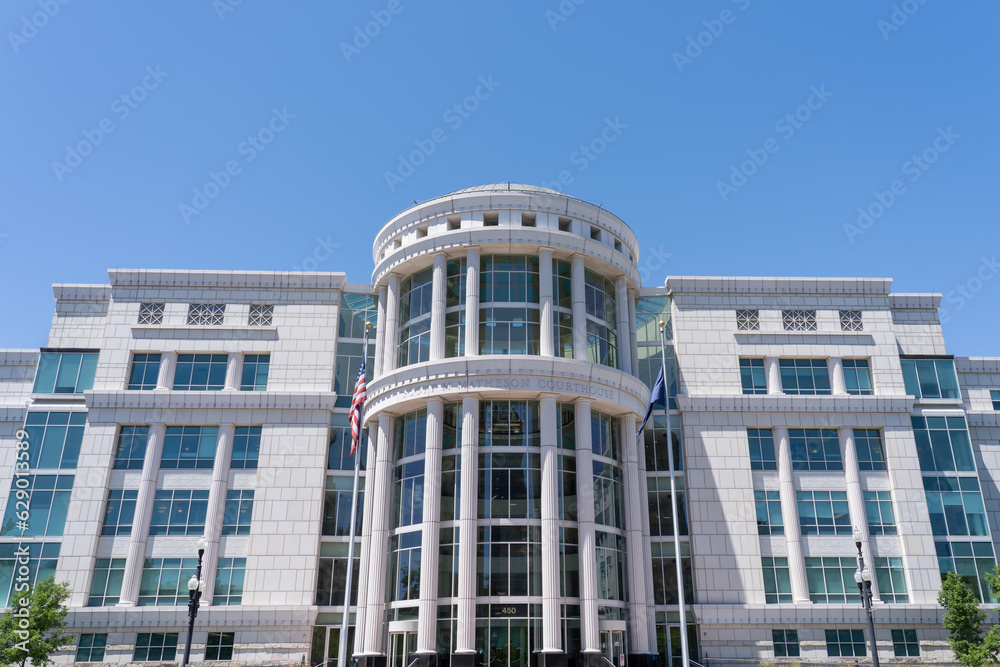
Utah Republicans moved to keep control of the state’s congressional map Wednesday, filing a notice of appeal with the Utah Supreme Court to overturn a ruling that blocked their gerrymander and put a fairer, court-ordered map in place for the 2026 midterms.
The appeal targets a series of decisions by state judge Dianna Gibson who last year struck down the Legislature’s attempt to sidestep Proposition 4 — a voter-approved anti-gerrymandering law — and replaced lawmakers’ map with one that gives Utah Democratic voters a real chance at competitive representation for the first time in years.
Get updates straight to your inbox — for free
Join 350,000 readers who rely on our daily and weekly newsletters for the latest in voting, elections and democracy.
The ruling Republicans are now appealing came after years of litigation over the Legislature’s response to Proposition 4, which Utah voters passed in 2018 to curb partisan gerrymandering. After the 2020 census, GOP lawmakers adopted a congressional map that split Democratic-leaning Salt Lake County into four districts — a move widely criticized as a textbook partisan gerrymander designed to lock in a 4-0 Republican delegation.
In August, Gibson struck down the GOP legislature’s map, ruling that lawmakers violated the Utah Constitution by gutting a voter-approved reform. Then in November, after rejecting a revised map from the Legislature, Gibson adopted a remedial plan proposed by the pro-voting plaintiffs, creating a district where Democratic voters have a meaningful opportunity to elect a candidate of their choice.
That decision immediately reshaped the political landscape heading into the 2026 midterms, putting one of Utah’s four House seats in play and drawing national attention from voting rights advocates and partisan operatives alike.
In a December order clearing the way for an appeal, Gibson noted that Republican lawmakers had multiple earlier chances to seek appellate review — and failed to do so — before asking the court to intervene as election deadlines approach.
“While it was the Legislative Defendants’ duty to seek appellate review of these decisions as soon as possible (if in fact that is what they wanted), they have offered no legitimate explanation for failing to do so,” Gibson wrote. “Nonetheless, this Court still believes that there is no reason to delay appellate review. If the Court does not certify the August 25, 2025 Ruling and Order now, any appellate review will have to wait until the end of the case, which could be months to years away.”
Gibson said immediate review by the state Supreme Court was necessary to avoid prolonged uncertainty for voters and candidates.
“Until there is a final decision on these legal issues from our Supreme Court, there will be a cloud on Utah’s congressional elections and an open question regarding the power of the Legislature and the power of the people,” she added. “The Utah Supreme Court can decide now if the Legislature is the sole and exclusive authority over redistricting in Utah or if it shares that responsibility with the people.”
For now, the court-ordered, fairer map remains in effect. The Legislature has already delayed candidate filing deadlines until March 2026, buying time for the appeal and leaving open the possibility that the Utah Supreme Court could reinstate the old, gerrymandered map.
If the fairer map stands, Utah could send a more representative delegation to Congress and demonstrate that voter-led reforms can survive partisan resistance. If it falls, the decision could signal that even clear voter-approved mandates can be undone — and that courts may be reluctant to enforce them.