Wisconsin Supreme Court agrees to hear appeal challenging GOP congressional gerrymander
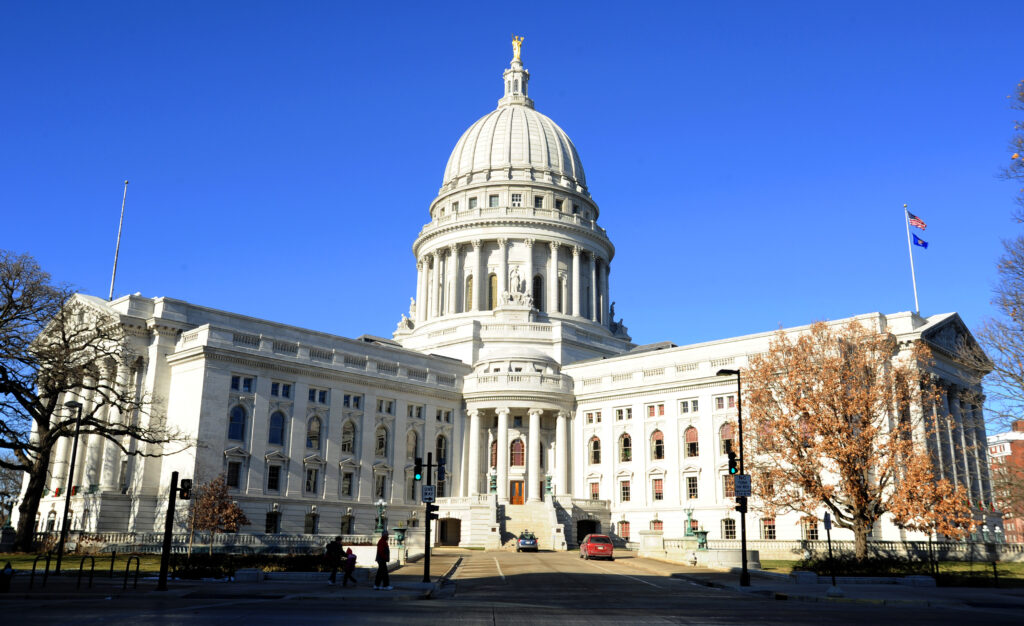
The Wisconsin Supreme Court agreed Thursday to hear an appeal seeking to strike down the state’s Republican gerrymandered congressional map, reviving a major fight for fairer maps that could reshape Wisconsin’s U.S. House delegation for 2028.
In a short order, the court denied an attempt by Republican intervenors to dismiss the appeal filed by Democratic voters. That means the court will review a lower court panel’s decision that dismissed the case where voters argued that Wisconsin’s congressional map is an unconstitutional partisan gerrymander.
Get updates straight to your inbox — for free
Join 350,000 readers who rely on our daily and weekly newsletters for the latest in voting, elections and democracy.
The order does not strike down Wisconsin’s current congressional map. But it is a major procedural win keeping the challenge to the GOP-skewed map alive as the state’s highest court takes a closer look.
The case had been dismissed earlier this year by a three-judge panel, which said it could not override earlier Wisconsin Supreme Court decisions involving the current congressional map. In Thursday’s order, the court said it did not need to resolve a technical dispute over whether this kind of appeal must be heard automatically or only if the justices choose to take it.
Instead, the court made the bottom line clear.
“The court has decided that this appeal will be heard pursuant to the notice of appeal filed,” the order states, “whether that document is construed as initiating an appeal as of right or as a petition asking this court to exercise its discretion to grant an appeal of the panel’s final decision.”
In plain English: Either way, the voters’ appeal moves forward. And the stakes are significant.
Wisconsin is one of the most closely divided states in the country, yet Republicans hold six of its eight U.S. House seats. Voting rights advocates have long argued that Democratic voters are “packed” into a small number of districts and split across others, weakening their power to elect candidates who reflect the state’s political balance.
Just weeks ago, the legal path to fairer congressional maps for the 2026 midterms appeared effectively closed after two lower court panels dismissed challenges to Wisconsin’s GOP-skewed map.
Wisconsin’s candidate filing deadline for the 2026 elections has already passed, making a new map for this year unfeasible. But the case could still matter enormously for 2028 and beyond, giving Wisconsin voters another chance to break a congressional gerrymander that has distorted representation for more than a decade.