Trump-appointed judge delivers DOJ its 27th straight loss in voter roll crusade
 Prefer us on Google
to see more of our voting rights news coverage when you search.
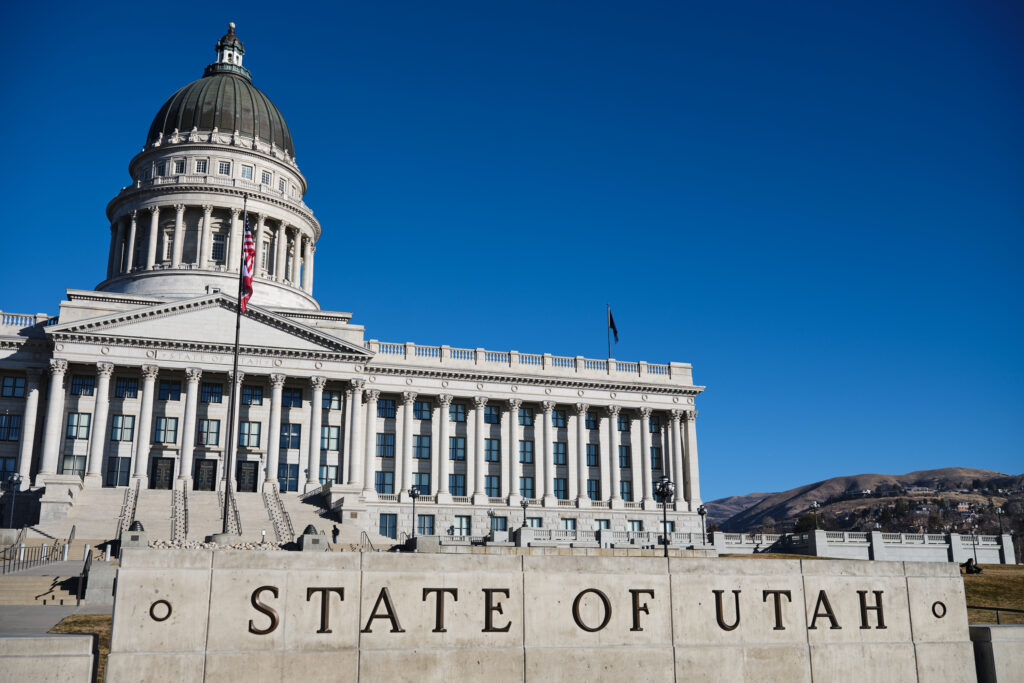
The Trump administration’s campaign to obtain states’ unredacted voter rolls suffered its 27th consecutive district court loss Friday, this time at the hands of a judge appointed by President Donald Trump.
U.S. District Judge David Barlow dismissed the Department of Justice’s lawsuit against Utah Lt. Gov. Deidre Henderson (R) with prejudice and denied the department’s request to force her to turn over the state’s complete voter-registration database.
Barlow, whom Trump nominated to the federal bench in 2019, ruled that Utah’s statewide voter registration list falls outside the scope of Title III of the Civil Rights Act of 1960 — the law DOJ has repeatedly invoked in lawsuits seeking sensitive voter data from states across the country.
Get updates straight to your inbox — for free
Join 350,000 readers who rely on our daily and weekly newsletters for the latest in voting, elections and democracy.
The law requires election officials to preserve and make available certain voting records that “come into” their possession. But Barlow concluded Utah’s voter database does not qualify because Henderson’s office develops, manages and maintains it.
“An ordinary English speaker would not say that she has come into possession of something that she created, established, and maintained,” Barlow wrote, adopting reasoning other courts have used to reject DOJ’s argument.
Barlow also rebuffed DOJ’s broader appeals to the law’s purpose, writing that courts have “no warrant to elevate vague invocations of statutory purpose over the words Congress chose.”
Even if legislative purpose controlled, he added, DOJ’s argument would fare no better. Title III was enacted amid widespread racial discrimination in voter registration and was intended to combat voter suppression, Barlow wrote.
Henderson, a Republican who serves as Utah’s chief election officer, had resisted DOJ’s demands for more than a year. She provided the department with the publicly available version of Utah’s voter file but refused to hand over confidential information including full dates of birth, driver’s license numbers and partial Social Security numbers.
She also declined to sign a proposed agreement with DOJ governing access to the data. The department sued her in February after those efforts failed.
Henderson later became the subject of a separate DOJ investigation after continuing to resist federal demands for sensitive voter information.
Barlow’s ruling ends the Utah case at the district-court level unless DOJ successfully appeals. He dismissed the complaint with prejudice, finding that allowing DOJ to amend it would be futile because Utah’s voter database simply is not subject to a Title III demand.
The decision drops DOJ to 0-27 in district court in its nationwide voter-roll litigation campaign.
Only three of DOJ’s voter-roll cases now remain unresolved at the district-court level. Its lawsuit against Delaware is still awaiting a ruling, while cases against Hawaii and Idaho have been stayed pending decisions from the 9th Circuit Court of Appeals in DOJ’s appeals of earlier losses in California and Oregon.