No Chick-fil-A, no voting: One North Carolina county’s argument for closing polls on Sundays
 Prefer us on Google
to see more of our voting rights news coverage when you search.
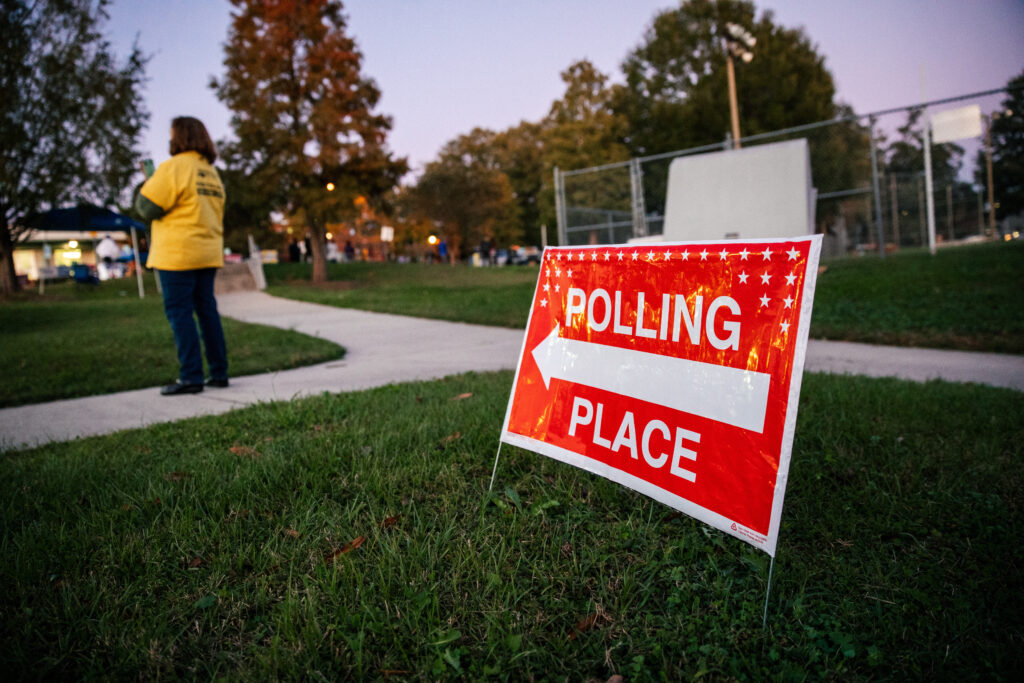
Chick-fil-A isn’t open on Sundays, so polls shouldn’t be either. That was one reason a GOP county board member in North Carolina offered for scaling back weekend voting during a heated North Carolina State Board of Elections meeting Thursday.
The state board gathered to sort through changes to 20 early voting plans that county-level officials were unable to decide unanimously. That included nixing campus poll sites or, in this case, the ability to cast ballots on Sunday, which devolved into a debate over Christianity and fast food chicken.
“I do not support these companies that are employing people on Sunday to make another dollar. I like how Chick-fil-A has done it, and I wish more companies would do that,” Anson County’s Matt Longworth (R) said in his impassioned plea to the board.
Get updates straight to your inbox — for free
Join 350,000 readers who rely on our daily and weekly newsletters for the latest in voting, elections and democracy.
The state board ultimately approved a local plan to end Sunday voting despite testimony from county residents explaining its importance to the community. Sunday voting, as pointed out by state and county Democrats, is a critical day for many Black voters. Attorney Seth Morris, speaking on behalf of Anson County’s Democratic board members, added there’s a strong relationship between Black church-goers and those voting on Sunday.
“Many people have made voting a part of their Sunday where they will go to church, they will go to Sunday school, and then they will go vote after church,” Morris said.
Morris said Anson County residents want Sunday voting, and they showed up in numbers — around 10 from the small county — to support it.
One of two Democrats on the state board, Jeff Carmon, said Longworth’s pleas to eliminate Sunday voting had “serious racial undertones.”
Nearly 45% of the county’s population is Black, according to the Census Bureau.
Longworth ignored personal testimony from people who had difficulties voting during the work week and would prefer to cast their ballots on Sundays. Instead, he kept invoking his religious viewpoint despite being reminded the United States has no national religion.
“We have other days we can vote on,” Longworth said. “God decided to heal somebody. Voting does not heal anybody”
State Board Member Siobhan Millen (D) questioned a similar plan to end Sunday voting in Craven County, despite public comments arguing Sunday voting served more people per hour than any other time.
“So Sunday is a pretty efficient day,” Millen said. “I wonder why you picked that one day when you serve a lot of people per hour, with 1,134 people voting on Sunday in Craven County altogether in the last election.
Sunday voting was a point of contention for every county to present plans to the state board, as of early Thursday afternoon. The state board voted on early voting plans for five counties, cutting Sunday hours in all but one, as of publication.
The cuts come even though Sunday voting is wildly popular with voters. Chatham County’s Laura Heise (D) said she received over 500 public comments from voters across her county pleading to leave Sunday voting alone, including from poll workers.
“In our increasingly hyperpartisan political environment, many voters argued that elimination of Sunday voting was a form of voting suppression,” Heise said.
However, despite pleas, Chatham County now will not have Sunday voting for November’s general election.