Nebraska Supreme Court upholds voting for citizens abroad in yet another GOP loss
 Prefer us on Google
to see more of our voting rights news coverage when you search.
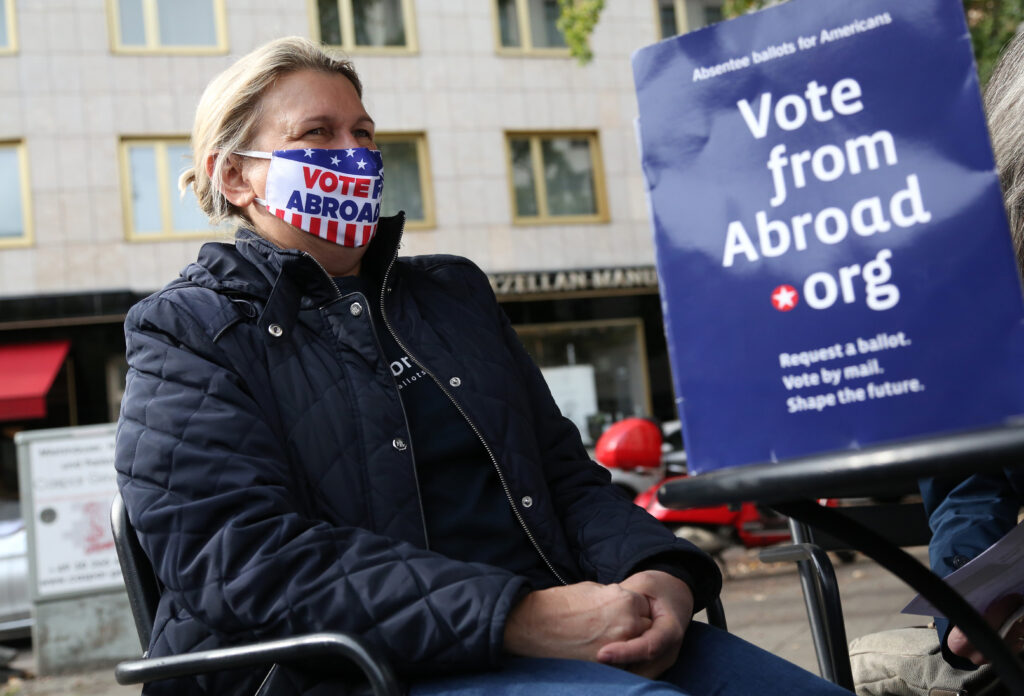
The Nebraska Supreme Court Friday upheld the right of eligible U.S. citizens living abroad to vote in the state, in yet another loss for Republicans seeking to restrict overseas voting.
Affirming a lower court’s August decision, the state Supreme Court ruled 6-1 to keep in place the state law that permits those living abroad to vote in certain circumstances.
While it does not impact many voters, it’s another blow to the Republican National Committee (RNC), which has filed lawsuits in at least eight states targeting what they call “never resident” voters. Some Republicans have admitted it’s because they think more overseas voters are Democrats.
Get updates straight to your inbox — for free
Join 350,000 readers who rely on our daily and weekly newsletters for the latest in voting, elections and democracy.
The RNC’s attorney, J.L. Spray, previously told the Nebraska Supreme Court that the law affects the “albino unicorn” of voters, admitting only a few dozen people qualify to vote under the provision. Spray, in the same breath, claimed those votes would dilute those of Americans living on U.S. soil.
As of April, just 116 people registered to vote under the now-upheld provision, and only 6 voters cast ballots in the 2026 primary election.
In the decision, justices recognized voters like “Joe,” whom plaintiffs presented as an example of those eligible to vote under the law.
Hypothetical Joe was born in South America to missionary parents — one of the intended beneficiaries of the law, according to Nebraska’s then-Secretary of State John Gale in 2005. Gale said the bill was enacted to give the right to vote to the children of missionaries, military members and civilian contractors.
The RNC and two individual voters had argued that because these voters don’t reside in the U.S., they cannot vote. But that’s not what the law says, the court decided.
“As described by the Secretary, ‘Joe’ is the age of an elector, he is [a] citizen of the United States, he resides outside the United States, he has never resided in the United States, he is not registered to vote in any other state of the United States, and he has a parent who is registered to vote within Nebraska,” the majority wrote for the court. “As such, he is ‘eligible to register to vote and vote’ in a Nebraska county where a parent is a registered voter.
Justice William Cassel dissented, arguing one of the voters appealing did not have standing.