Maryland Supreme Court upholds Democrats’ redistricting plan
 Prefer us on Google
to see more of our voting rights news coverage when you search.
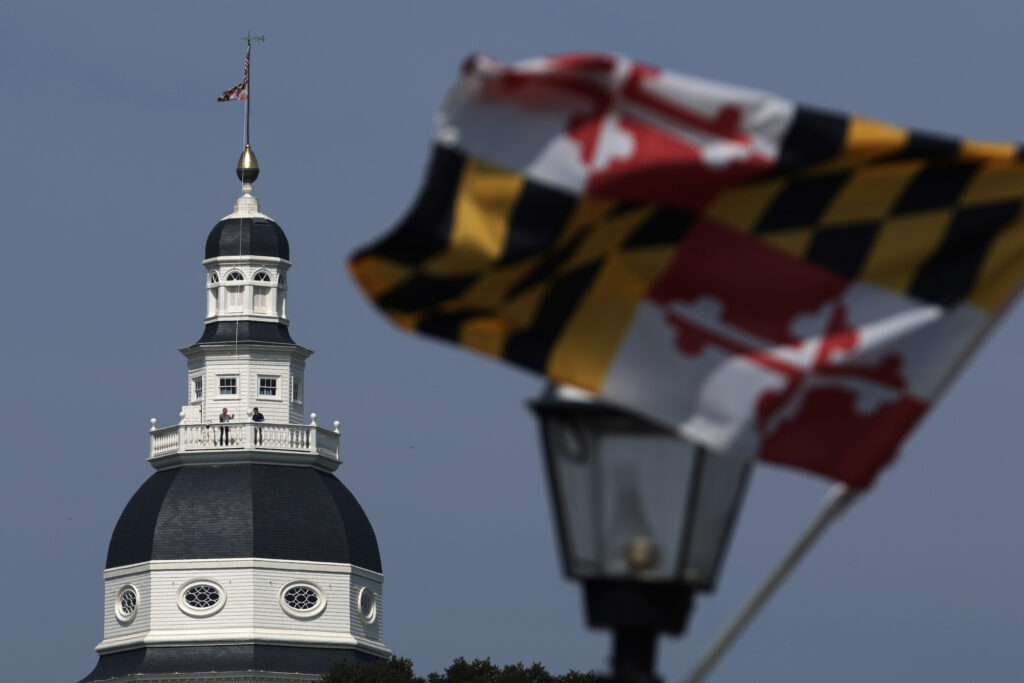
In a win for voters, the Maryland Supreme Court ruled that a constitutional amendment on redistricting proposed by state Democrats can appear on the ballot in November.
Should voters approve the measure, it would clear the way for Maryland Democrats to redraw the state’s congressional districts for the 2028 election to counteract a wave of gerrymanders Republican-led states carried out over the past year at the behest of President Donald Trump.
The state Supreme Court determined that lower courts erred in halting the constitutional amendment entirely. However, it said the lower courts correctly found the language of the proposed amendment, called “Question 3,” illegal under state law.
Rather than bar the question completely from the November ballot, the court said it should instead be rewritten by the State Board of Elections — a remedy the court said was “appropriately respectful of the General Assembly’s constitutional authority to propose constitutional amendments to the voters of this State.”
Get updates straight to your inbox — for free
Join 350,000 readers who rely on our daily and weekly newsletters for the latest in voting, elections and democracy.
The Maryland Supreme Court’s decision came just hours after it heard two hours of arguments over whether the amendment should go before voters.
It also marked the second major Democratic redistricting court victory Thursday. Just moments before the Maryland ruling, the Missouri Supreme Court greenlit a citizen-led redistricting referendum that will give voters a final say over a GOP gerrymander in that state.
In August, the Democratic majority in Maryland’s General Assembly approved a proposed constitutional amendment — the first step toward redrawing the state’s congressional districts.
The measure doesn’t propose a new map. If passed, it would simply change the rules for redistricting by establishing that the state’s constitutional requirements for compact districts that respect natural and political boundaries apply only to state legislative maps, not congressional ones.
Democrats currently hold seven of Maryland’s eight U.S. House seats, while U.S. Rep. Andy Harris (R-Md.) represents the Eastern Shore-based 1st Congressional District. With a rule change, Democrats could then draw a new map that dismantles Harris’ district, potentially giving them an extra seat in the U.S. House.
But the measure can’t take effect until voters weigh in.
State Republicans didn’t want to give them a chance and filed two lawsuits to block the measure from appearing on the ballot.
The first lawsuit, filed by a right-wing advocacy group on behalf of the far-right Maryland Freedom Caucus, argued that lawmakers passed the proposed amendment after a July 1 deadline for certifying ballot questions for November.
Republicans on Maryland’s Eastern Shore filed a second lawsuit, which asserted that the proposed amendment will eliminate constitutional protections against gerrymandering and “deceive voters into surrendering their fundamental constitutional rights.”
Late last month, two Maryland circuit court judges temporarily blocked the Democrats’ redistricting amendment but simultaneously paused their order pending the state Supreme Court’s ruling.