GOP plans marathon debate, but SAVE America Act unlikely to cross the finish line
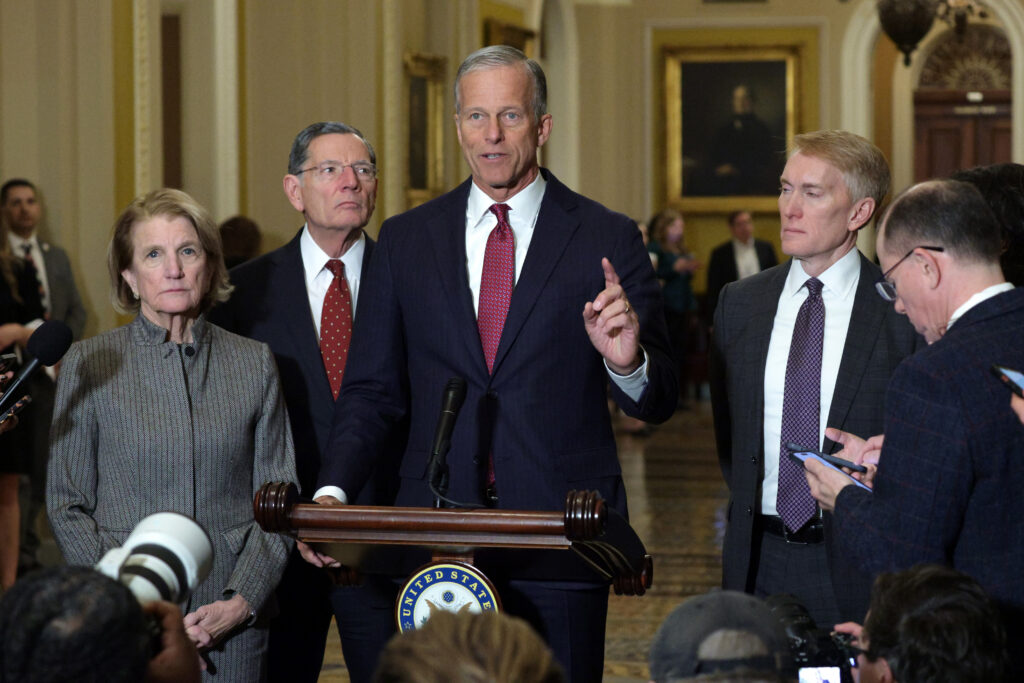
Republican leadership is setting the stage for some high dudgeon political theater next week, planning a multi-day, overnight debate on the SAVE America Act that will likely culminate in the protagonist proposal’s death on the Senate floor.
Senate Majority Leader John Thune (R-S.D.) is reportedly planning to bring up the House-passed version of the bill, which would require showing documentary proof of citizenship at registration and voter ID at the polls, next week by a simple majority vote. Republicans would then be able to offer amendments to match President Donald Trump’s demands that the bill also ban universal mail-in ballots, trans athletes in women’s sports, and gender-affirming care for minors.
But after letting the bill’s backers and opponents duke it out for a while — potentially the entire week — Thune plans to allow a cloture vote to end debate and move on with a vote on the legislation. That would require 60 votes in favor, but with Democrats universally opposed (plus a few Republicans), the measure would fail.
Get updates straight to your inbox — for free
Join 350,000 readers who rely on our daily and weekly newsletters for the latest in voting, elections and democracy.
For months now, Trump and his online army of MAGA influencers have been pushing Thune to instead attempt a “talking filibuster,” which would allow Democrats to speak in opposition to the bill and offer amendments for as long as they could stand. Only after every opponent had a chance to speak against the bill — and every amendment was offered, debated and voted upon — would the bill’s backers be able to vote for it.
That would eat up months of floor time, keeping Senate Republicans from confirming Trump appointees — including Sen. Markwayne Mullin’s (R-Okla.) nomination for secretary of homeland security — or passing other legislative priorities.
The last time the Senate tried to enact a bill over a coordinated talking filibuster was in 1964, when conservative Southern Democrats blocked a vote on the Civil Rights Act for 60 days. Eventually, the Senate invoked cloture to end debate and pass the landmark legislation.
Thune has repeatedly insisted there aren’t enough Republican votes for attempting to outlast the legislation’s Democratic opponents during a “talking filibuster.”
“We don’t have the votes, either to proceed [to] a talking filibuster nor to sustain one if we got on one,” Thune said at a leadership press conference Tuesday. “That’s just a function of math. There isn’t anything I can do about that.”
After excoriating Thune for months, some of Trump’s allies suddenly changed their tune Thursday. Cleta Mitchell — the founder of the anti-voting Election Integrity Network who had spent the first half of the week tweeting at Thune things like “What is WRONG with you??” — praised Thune’s marathon debate plans. “Thank you @LeaderJohnThune !” she tweeted in response to a video of Thune’s floor remarks Thursday morning about the SAVE America Act. “We are grateful and we will support this 100%! Now, @SenateDems – we are turning our fire on YOU!!!!”
“I can’t guarantee an outcome on this legislation,” Thune said. “I can guarantee you that we are going to put Democrats on the record, but they will be forced to defend their outrageous positions on these issues.”
Scott Presler, another right-wing activist with a large Twitter following, declared “VICTORY” in a tweet quoting Thune’s speech.
While Polls show voter ID seems popular upon first blush — an Echeleon Insights poll in February found 76 percent of likely voters said requiring ID to vote would make the 2026 midterms more fair — voter support drops significantly when the issue is presented as a choice between making sure every eligible voter can cast a ballot versus preventing ineligible votes.
A recent PBS News/NPR/Martist poll found 59% of Americans think it is more important to ensure everyone who wants to vote can do so, while only 41% say ensuring no ineligible people cast ballots is more important.
The SAVE America Act’s proponents argue more needs to be done to prevent noncitizens from voting, even though there is no evidence of noncitizens intentionally casting ballots in significant numbers. Meanwhile, opponents note that the millions of voters who lack easy access to a passport or birth certificate, needed to show documentary proof of citizenship at registration, could face disenfranchisement if it’s enacted.