Democrats warn USPS changes could threaten mail voting in midterms
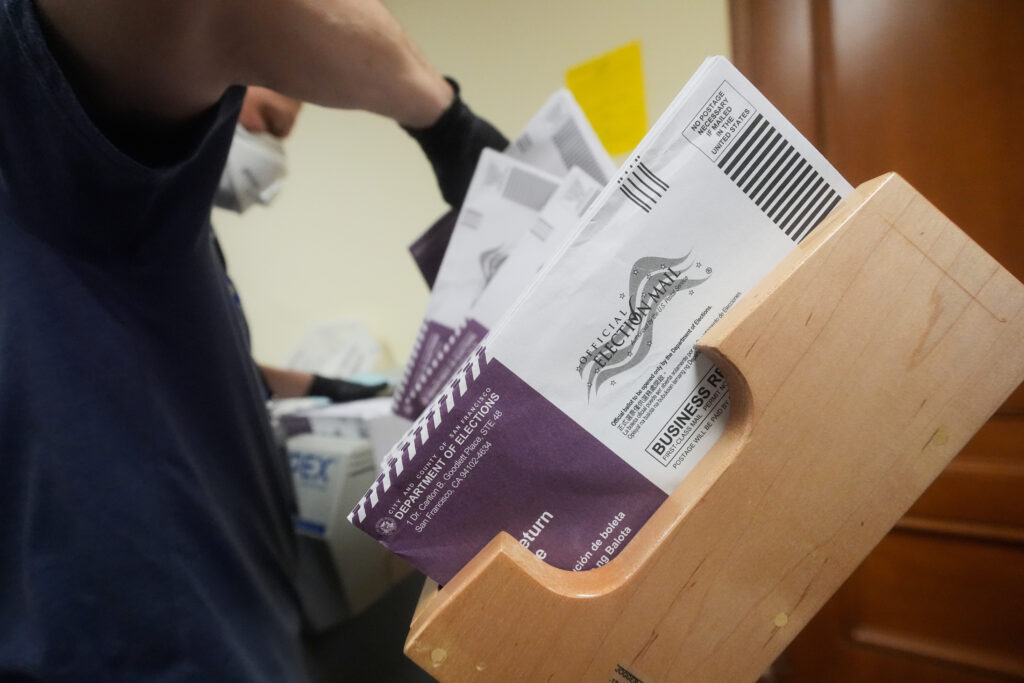
A coalition of House Democrats is sounding the alarm over new U.S. Postal Service changes they say could put voters at risk in the 2026 midterm elections, particularly in rural communities and states with strict election deadlines.
In a letter sent Monday to Postmaster General David Steiner, Democrats led by U.S. Reps. Robert Garcia of California and Joseph Morelle of New York argued that the Postal Service’s Regional Transportation Optimization program — known as RTO — threatens the reliability of mail-in voting just as millions of Americans continue to rely on it to participate in elections.
Get updates straight to your inbox — for free
Join 350,000 readers who rely on our daily and weekly newsletters for the latest in voting, elections and democracy.
“Many constituents have raised concerns with the December 24, 2025, revision to the Domestic Mail Manual regarding its postmarking, transportation schedules, and their effect on mail voting,” the lawmakers wrote. “We write to express concerns regarding the potential effect of the Postal Service’s new transportation schedule through the Regional Transportation Optimization initiative on mail delivery performance during the 2026 midterm election season.”
The Democrats are careful to note that the December update to USPS rules did not create a new postmark policy. Instead, they say, it documented existing practices while incorporating new transportation schedules tied to RTO.
Still, they warn that those operational changes could have real consequences for voters.
For years, USPS has been widely praised for how it handled mail-in voting, even during record-breaking turnout. Democrats underscore that record in the letter, citing the agency’s performance during the last presidential cycle.
“During the 2024 election period, the Postal Service delivered roughly 3.37 billion pieces of political and election mail — including 222.39 million ballots to and from voters,” the lawmakers wrote. “The number of ballots processed through the Postal Service network increased 65% between 2020 and 2024.”
The Democrats maintain that RTO is a departure from what has worked — and one that has not yet been tested during a federal election year. The program reduces the number of daily transportation trips to many delivery units, a change the lawmakers say disproportionately affects rural and remote communities.
“In recent years, the Postal Service has successfully prioritized the delivery of election mail, sustaining on-time three-day delivery of ballots to election officials to 97.73% in 2024,” the letter adds. “We are concerned that the 11% of addresses negatively affected by RTO could hurt the delivery performance of ballots and other election mail.”
Because RTO was rolled out in April 2025, an off-election year, the lawmakers say no one truly knows how it will perform under the strain of a major election. And that uncertainty is compounded, they argue, by a lack of transparency.
“Because RTO was implemented in an off-election year in April 2025, we do not know how RTO will affect this year’s election mail delivery,” the Democrats wrote. “Election officials and the public do not know what jurisdictions will be subject to RTO and therefore will not know if their mail will require an extra day of delivery.”
The Trump administration and Republican lawmakers in many states are also pushing to end mail-ballot grace periods — the short windows after Election Day during which ballots postmarked by Election Day can still be counted. Several GOP-led states, including Ohio after being threatened by the Justice Department, have moved to eliminate these grace periods or limit them sharply. That means ballots delayed in the mail would no longer count even if mailed on time under current rules used to protect voters from postal delays.
The lawmakers stress that voting by mail has been repeatedly shown to be secure and that any changes to postal operations must not interfere with ballot delivery.
“Voting by mail is unequivocally safe and secure. It is imperative that the Postal Service have successful performance during the 2026 election season, and that means ensuring that any new programs borne out of the Delivering for America plan or otherwise do not harm the delivery of ballots,” the letter concludes. “We urge you to consider eliminating the RTO program until the Postal Service has quality controls and substantial savings projections in place, and adequate public awareness of the distinct impacts on mail delivery.”
Democrats assert that RTO is unlikely to deliver the promised cost savings and could degrade service instead. As a result, they urge postal leaders to reconsider moving forward.
The letter demands detailed answers from USPS by Feb. 13, including whether the agency will pause or modify RTO during the 2026 election season and what steps it is taking to prevent delays in ballot delivery.