Ohio Republicans put voter ID on November ballot — even though it’s already law
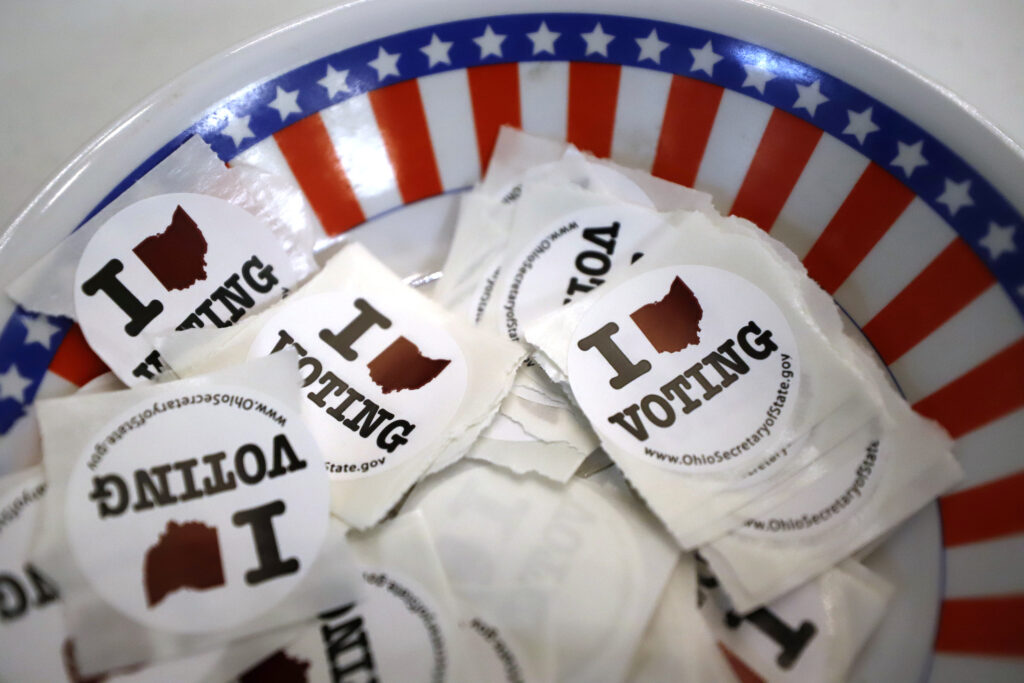
Ohio Republicans voted Wednesday to put a measure on the November ballot that would enshrine the state’s existing photo ID requirement into the state constitution.
The effort appears aimed at handing the GOP a ready-made midterm message, as voting advocates warn the measure is redundant and rushed.
Ohioans already have to show photo ID to vote in person. That has been state law since 2023, after Republicans passed a sweeping elections law that narrowed what documents voters can use at the polls.
But now, Ohio Republicans are asking voters to put that requirement into the state constitution.
Get updates straight to your inbox — for free
Join 350,000 readers who rely on our daily and weekly newsletters for the latest in voting, elections and democracy.
The Ohio General Assembly passed Senate Joint Resolution 10 (SJR 10) this week, sending a legislatively referred constitutional amendment — a measure placed on the ballot by lawmakers, not by a citizen petition drive — to voters this November.
If approved by a simple majority, the amendment would add language to the Ohio Constitution requiring voters to provide ID under laws set by the legislature, and requiring photo ID for in-person voting.
The measure does not create any new photo ID requirements for voters or present any new measures to enhance election security. That is why pro-voting advocates are describing it essentially as ballot candy, a popular-sounding measure designed to energize Republican voters in a midterm year, even though the underlying rule doesn’t change any law.
Ohio will see a competitive Senate race, among other contests, that could determine control of the chamber.
“Photo ID for voting is already law in Ohio. That was accomplished because of ‘fraud concerns’ even though, here in Ohio, voter fraud happens so infrequently, is so extremely uncommon, it can statistically and accurately be framed as happening 0% of the time,” Gary Daniels, legislative director for the ACLU of Ohio, wrote. “Voting keeps getting progressively more difficult in Ohio as this body chips away at election laws over the years, always to make it more difficult, but never to facilitate voting and expand the number of qualified voters.”
SJR 10’s own official analysis undercuts the idea that Ohio needs the amendment to change how voters cast ballots this fall.
The Ohio Legislative Service Commission wrote that the proposal “would not require any changes to Ohio’s current voter ID requirements found in statute.” Instead, the practical effect would be to make those requirements harder to change later.
Republican supporters say the amendment is about election integrity and preventing a future legislature from weakening Ohio’s photo ID rule. But pro-voting advocates say the move is a textbook example of how GOP lawmakers use the language of election security to put voting restrictions in front of voters — even when there is no urgent problem to solve.
“Election administration is extremely complicated and it is unnecessary to put voter identification for one method of voting into the Ohio Constitution,” Catherine Turcer, executive director of Common Cause Ohio, wrote. “This is an empty gesture.”
Ohio’s current law already requires most voters casting ballots in person — either early or on Election Day — to show photo ID. Voters who do not have acceptable ID can cast a provisional ballot and return with ID within a deadline set by law.
“It’s ‘put something on the ballot attractive to certain voters, and hope that they turn out,'” Daniels added.
Ohio is not alone.
In California, a Republican-backed constitutional amendment has also qualified for the November ballot. That measure would go further than Ohio’s proposal by creating new ID requirements for in-person and mail-in voting, along with new citizenship verification requirements.
In both states, Republicans are using voter ID — a phrase that polls well and sounds simple — to put restrictive voting policies before a midterm electorate.
“This initiative isn’t about election security, it’s about erecting barriers that will keep eligible Californians from exercising their fundamental right to vote as citizens,” Abdi Soltani, executive director of the ACLU of Northern California, said of the California measure.