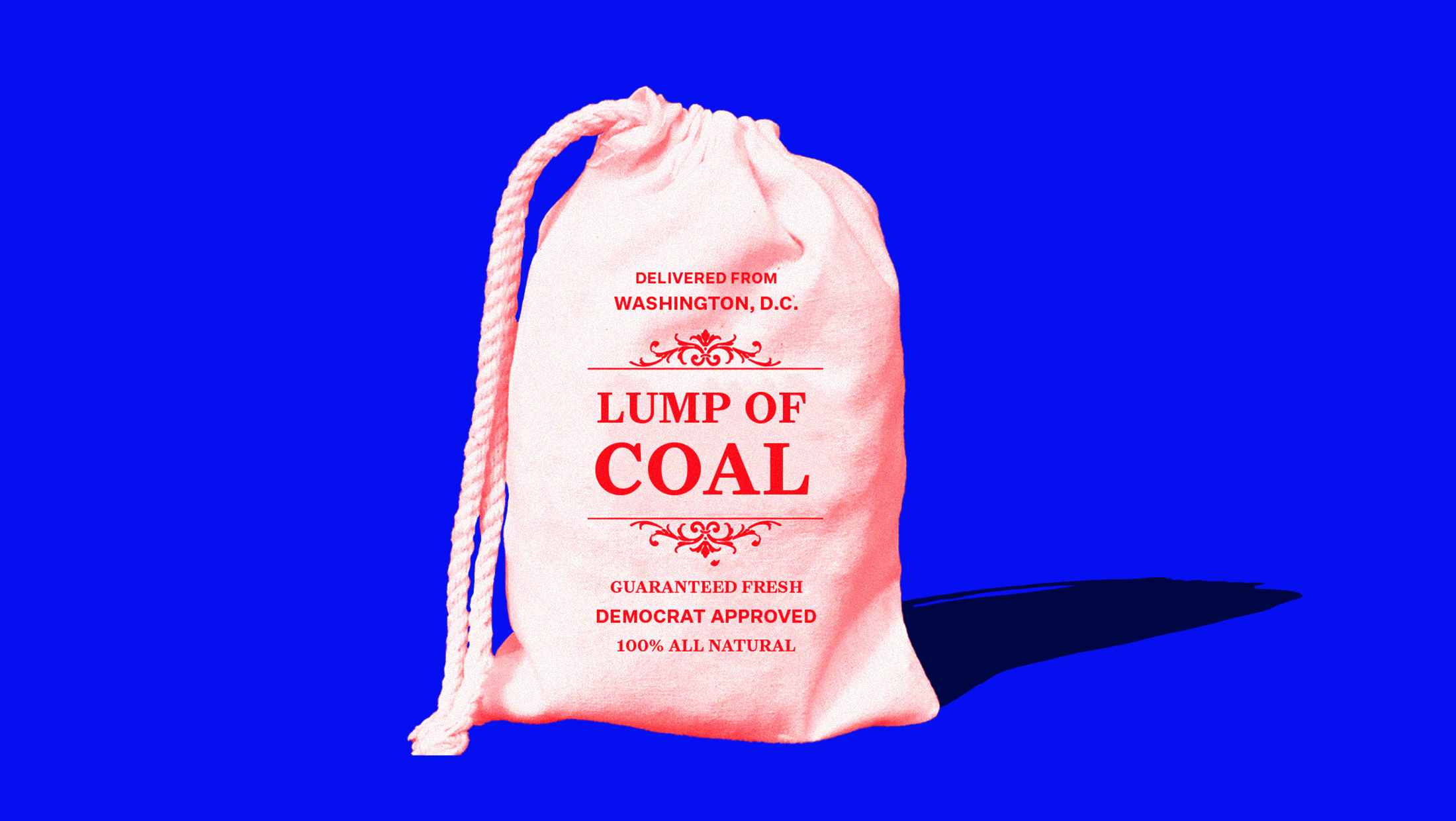
We Cannot Out-Organize Voter Suppression
The names of the states change, but the results are the same: voting for minorities and young voters becomes harder and elections become less free and fair.

Read in-depth op-eds on voting rights and democracy from our contributors, guest authors and Democracy Docket's founder, Marc Elias. Use the drop-down menu to organize by topic.
The names of the states change, but the results are the same: voting for minorities and young voters becomes harder and elections become less free and fair.
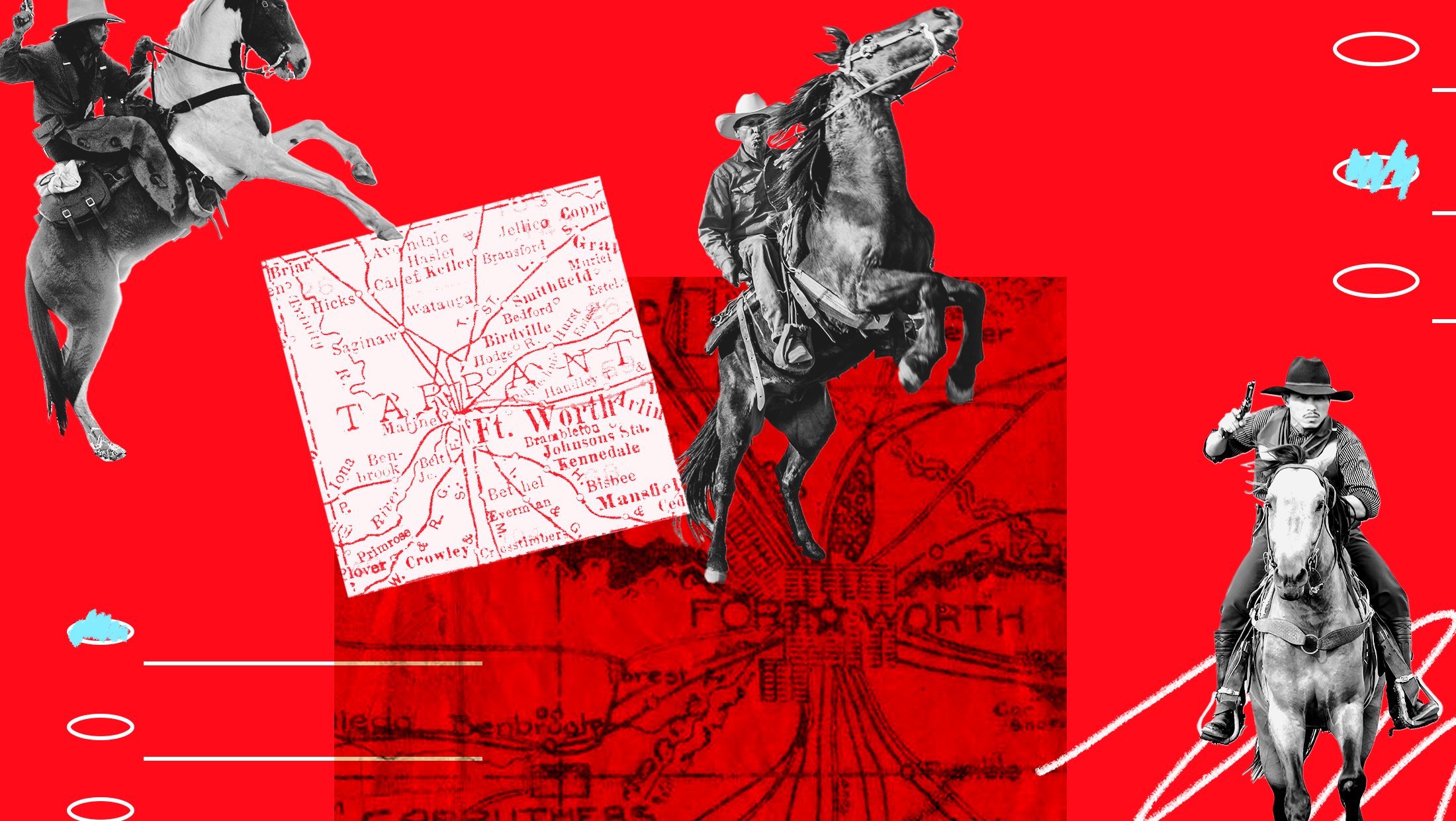
In February of this year, the newly elected top executive for Tarrant County, Texas — which includes Fort Worth — Tim O’Hare announced the creation of an “election task force.”
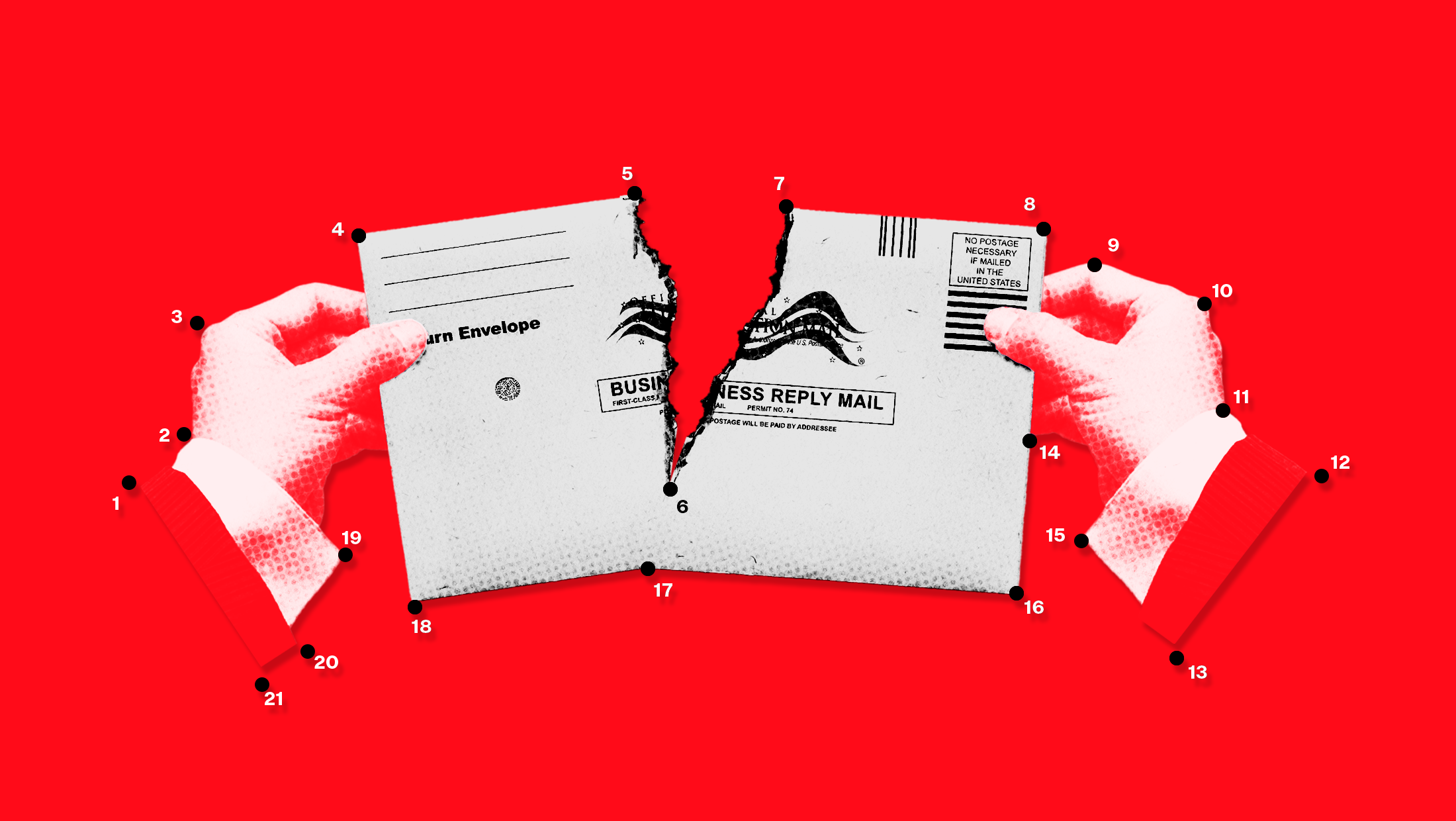
If Republican leaders have had a change of heart about voting by mail, no one has told their lawyers or Republican-controlled legislatures.
The toolbox Ohio Republicans have at their disposal to ensure voters never get a real say in our political future is unfortunately incredibly well stocked.

Please stop calling Donald Trump’s indictment in New York a test of our democracy. It is just the latest insult he and his supporters have hurled at it.

Many of the states that make it hardest to vote are home to the legislatures that are the least likely to make improvements.

If there was any doubt where Brad Raffensperger stands on voting rights, he has put it to rest. He is in lockstep with the Republican Party.

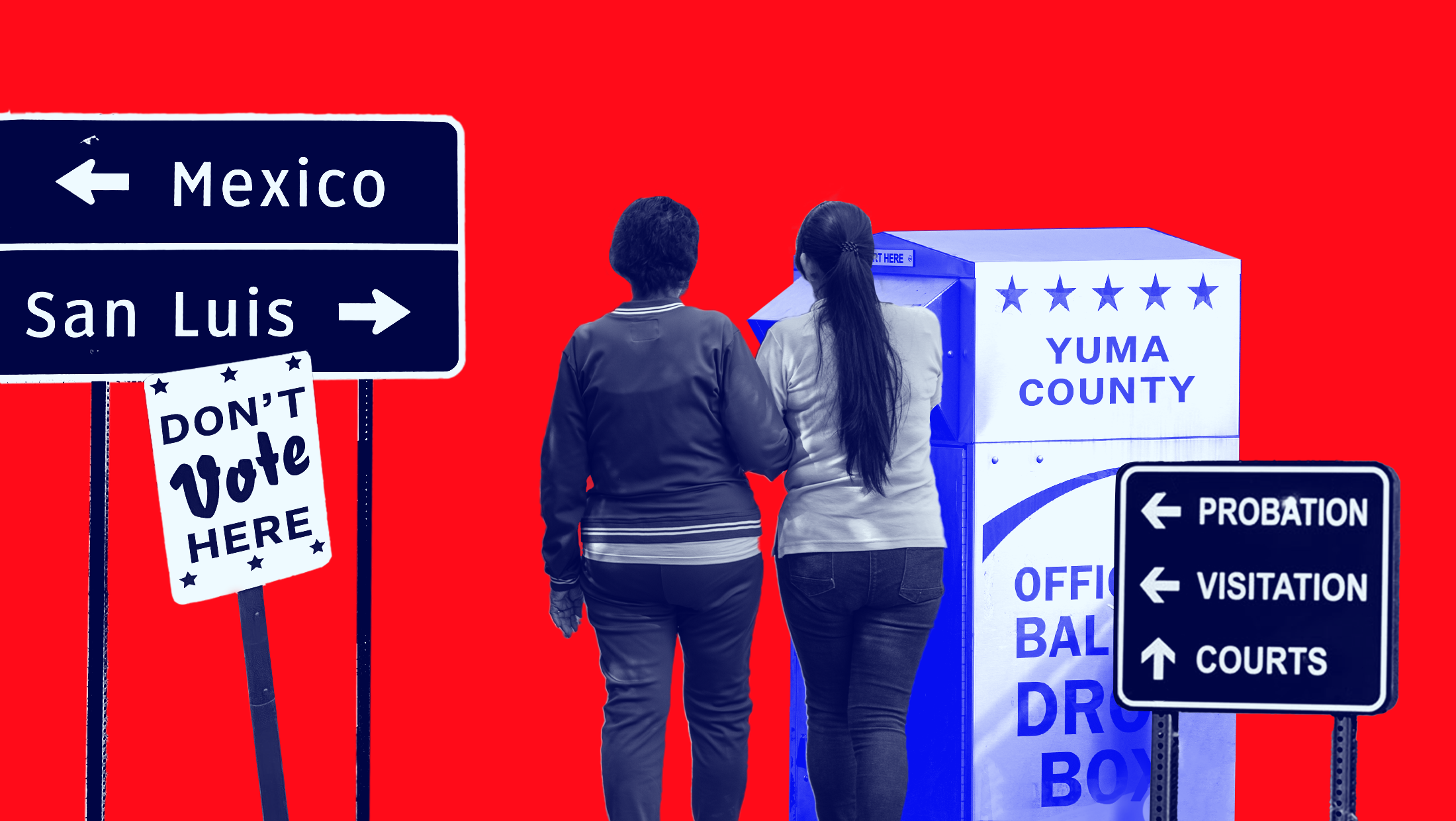
In 2016, the Arizona Legislature passed a ban on ballot collection that was aimed at decreasing electoral participation by minorities, especially among the state’s large Latino community.
My message to state Democratic leaders is simple: Use your power to expand voting rights and protect democracy.
Congress’ failure to invest even the bare minimum in our democracy will have a ripple effect throughout the next several election cycles, at least.