Utah Supreme Court upholds fairer map for midterm elections, rejects GOP appeal
 Prefer us on Google
to see more of our voting rights news coverage when you search.
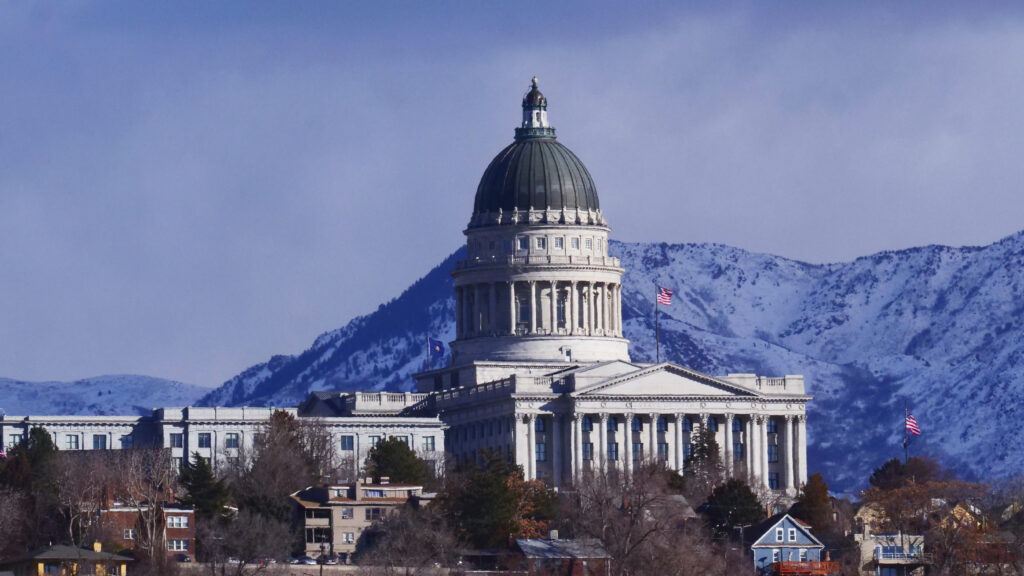
In a decisive win for voters, the Utah Supreme Court dismissed the GOP legislature’s appeal in the state’s landmark redistricting case — clearing the way for a fairer congressional map to be used in the 2026 elections.
The ruling delivered Friday ensures that the remedial map adopted last November — one that ends the deliberate splitting of Salt Lake County across four districts — remains in place.
That fairer map creates a district where Democratic voters can meaningfully compete, restoring a measure of balance in a state where they have long been shut out of congressional representation due to partisan gerrymandering.
Get updates straight to your inbox — for free
Join 350,000 readers who rely on our daily and weekly newsletters for the latest in voting, elections and democracy.
At its core, the court’s decision was about enforcing the rules and protecting voters’ constitutional rights.
The justices made clear that legislative leaders had a chance to appeal earlier orders but did not act in time.
“Even though the August 25 Order did not end the case, Legislative Defendants could have immediately appealed it,” the court wrote. “But the 30 days to appeal the August 25 Order passed, and no appeal was filed.”
After missing that deadline, lawmakers attempted to use a procedural mechanism — known as Rule 54(b) certification — to revive their appeal. In plain terms, Rule 54(b) allows an appeal before a case is fully finished only if an entire claim has been finally resolved.
The court concluded that requirement had not been met.
Because the appeal was dismissed, the Legislature’s request to reinstate the 2021 congressional map was also dismissed.
The result: The court-ordered map from last November stands.
This decision builds on a broader victory for Utahns who approved Proposition 4 in 2018 — a ballot initiative designed to curb partisan gerrymandering and require neutral redistricting standards.
After voters passed the reform, the Legislature repealed key provisions and enacted a congressional map that divided Salt Lake County into four separate districts — effectively diluting Democratic voting power statewide.
A trial court later ruled that repeal violated Utahns’ constitutional right to alter or reform their government and permanently blocked use of the 2021 map. When lawmakers failed to produce a compliant replacement, the court adopted a map that follows the standards voters originally demanded.
With Friday’s ruling, that voter-backed framework remains protected.
Meanwhile, the Utah Republican Party and allied activists are pushing a ballot initiative to repeal Proposition 4 by gathering signatures to put the question before voters in November.
Organizers say they have submitted well over the signatures needed to qualify the measure, which would eliminate the independent redistricting commission and restore sole map-drawing authority to the Legislature if approved. County clerks are currently verifying the petitions, and the lieutenant governor will decide by late April whether the repeal will appear on the ballot.
In the meantime, Democratic voters in Utah will head into a congressional election with a district designed around communities — not partisan entrenchment.
In a closely divided U.S. House, even a single seat can matter.
The decision lands at a moment when Republican officials in several states are exploring new redistricting maneuvers aimed at maintaining their narrow congressional majority — part of a broader national push ordered by President Donald Trump.
Utah’s case sends a powerful counter-message that voters can still enact anti-gerrymandering reforms and courts can still enforce them.