Supreme Court to Hear Trump’s Bid To Eliminate Birthright Citizenship
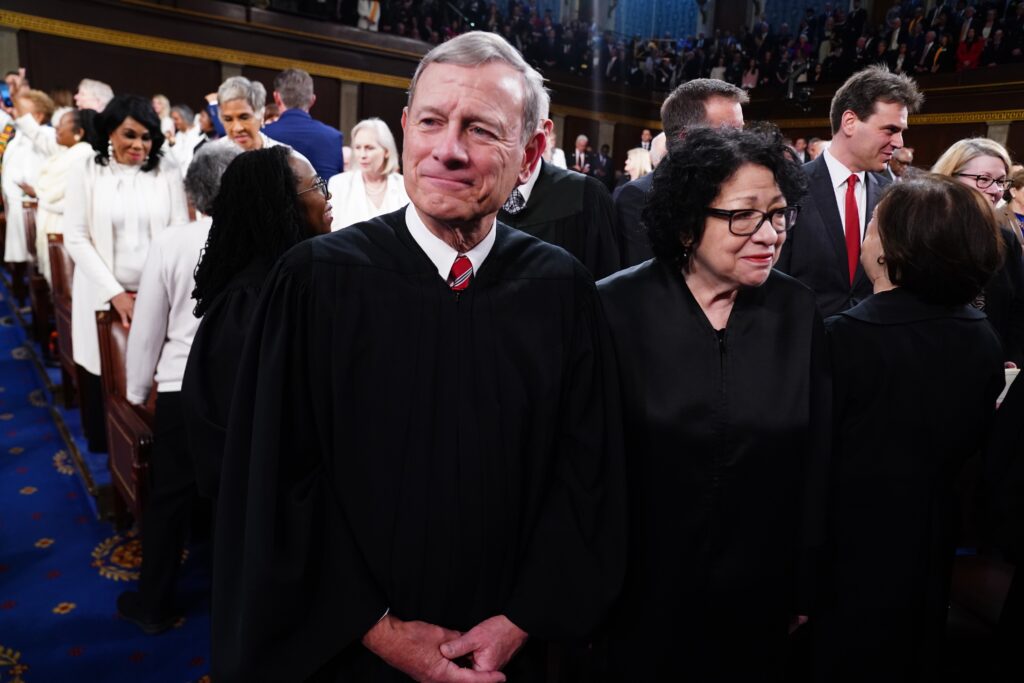
The Supreme Court Friday agreed to decide whether President Donald Trump can unilaterally limit the constitutional right to citizenship granted to virtually every person born in the United States.
On the first day of his second term, Trump signed an executive order purporting to end birthright citizenship for children born to undocumented parents or parents who have lawful, but temporary, residency status.
Several lower courts this year have determined that order violated the 14th Amendment, which automatically confers citizenship to those born in the U.S., as well as federal immigration law.
Get updates straight to your inbox — for free
Join 350,000 readers who rely on our daily and weekly newsletters for the latest in voting, elections and democracy.
Responding to a request from the Trump administration, the Supreme Court Friday agreed to review a lower court ruling permanently barring the government from enforcing Trump’s order.
In asking the Supreme Court to review the case, the Trump administration claimed that birthright citizenship can only apply to children born to one parent who is a U.S. citizen or a lawful permanent resident.
The lower court determined that argument contradicts the 14th Amendment’s Citizenship Clause, which states: “All persons born or naturalized in the United States, and subject to the jurisdiction thereof, are citizens of the United States and of the State wherein they reside.”
Trump’s attempt to end birthright citizenship stems from his vast xenophobic crackdown on every form of immigration to the U.S.
Trump ran for a second term on promises to conduct “mass deportations.” Since taking office, he has presided over widespread, aggressive immigration raids and imposed a travel ban on citizens of 19 countries that he determines to be “high-risk.”
Friday’s move marks the second time the Supreme Court has intervened in a case challenging Trump’s birthright citizenship order.
In June, the court’s conservative majority struck down multiple bans to Trump’s order, claiming that individual judges did not have the authority to bar its enforcement nationwide. However, that decision did not address the underlying constitutionality and merits of the order.
This story has been updated with additional details throughout.