South Carolina voters with disabilities lose key mail voting challenge
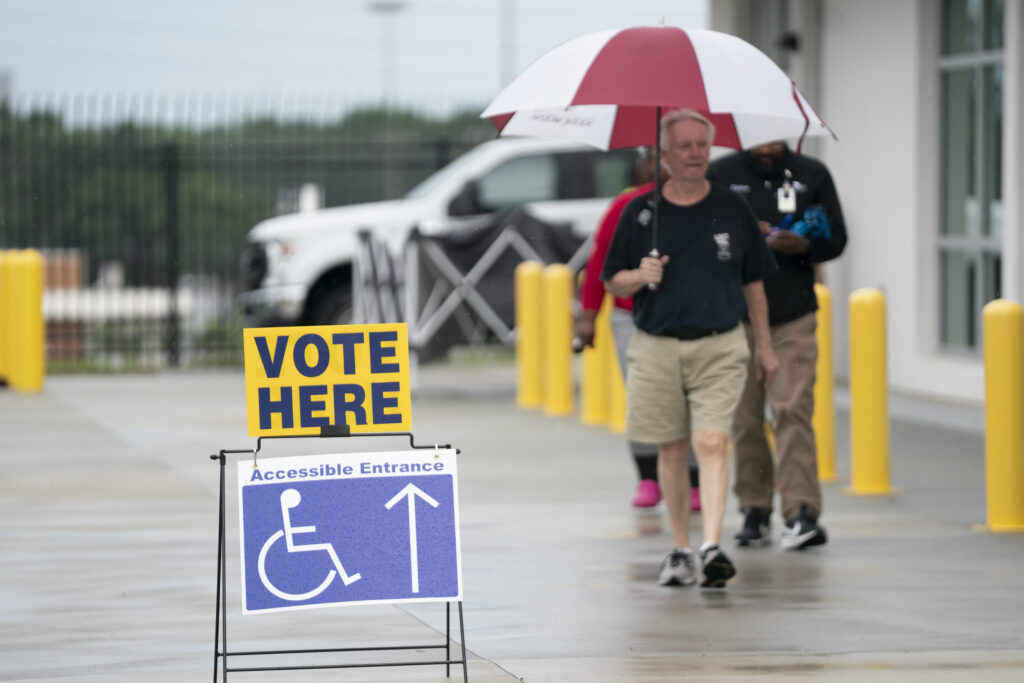
Three South Carolina provisions restricting voter assistance will remain in effect for the midterms, a district court ruled Wednesday.
The decision could affect the nearly 15% of South Carolinians who identify as having a disability.
The court ruled the plaintiffs — South Carolina NAACP and three voters with disabilities — lacked standing to bring claims that multiple state statutes unconstitutionally limit absentee voting access under Section 208 of the Voting Rights Act (VRA).
Get updates straight to your inbox — for free
Join 350,000 readers who rely on our daily and weekly newsletters for the latest in voting, elections and democracy.
One law limits voter assistance eligibility to those with physical disabilities or low literacy, a statute plaintiffs argued unduly disqualifies those with cognitive impairments.
The second set of laws ensures only family members of “authorized representatives” can assist a voter. Critically, the Election Assistance Commission, according to plaintiffs, has shown voters with disabilities tend to rely more frequently on those outside their immediate family to help with voting.
Further, South Carolina law diverges from the VRA, which says that voters with disabilities can decide to use any person besides their employer or union for voter assistance.
Plaintiffs also challenged the state’s “Five-Voter Limits,” which permit a person to help only up to five voters request or return an absentee ballot. But there is not an endless supply of people available for voter assistance, especially in places like nursing homes and congregate care facilities.
“Numerical limits on how many voters an individual can assist violate voters’ right to use the assistor of their choice — often the only assistor available or the one person a voter trusts to assist them,” plaintiffs wrote in their initial complaint.
Despite accepting the facts of the case and grasping potential harm to voters, the court deemed the plaintiffs could not establish that they were in “realistic danger” of losing their right to vote.
“Concern is understandable, but concern is not concreteness,” U.S. District Judge Mary Geiger Lewis wrote for the court. “A fear founded on future choices is too fragile for federal jurisdiction.”
While the ruling deals a blow to voter access for now, the court’s ruling not on the merits but on standing alone, coupled with the decision to dismiss the case without prejudice, leaves the door open for a future challenge.