SCOTUS Blocks Trump’s Attempt to Fire Federal Reserve Governor, For Now
 Prefer us on Google
to see more of our voting rights news coverage when you search.
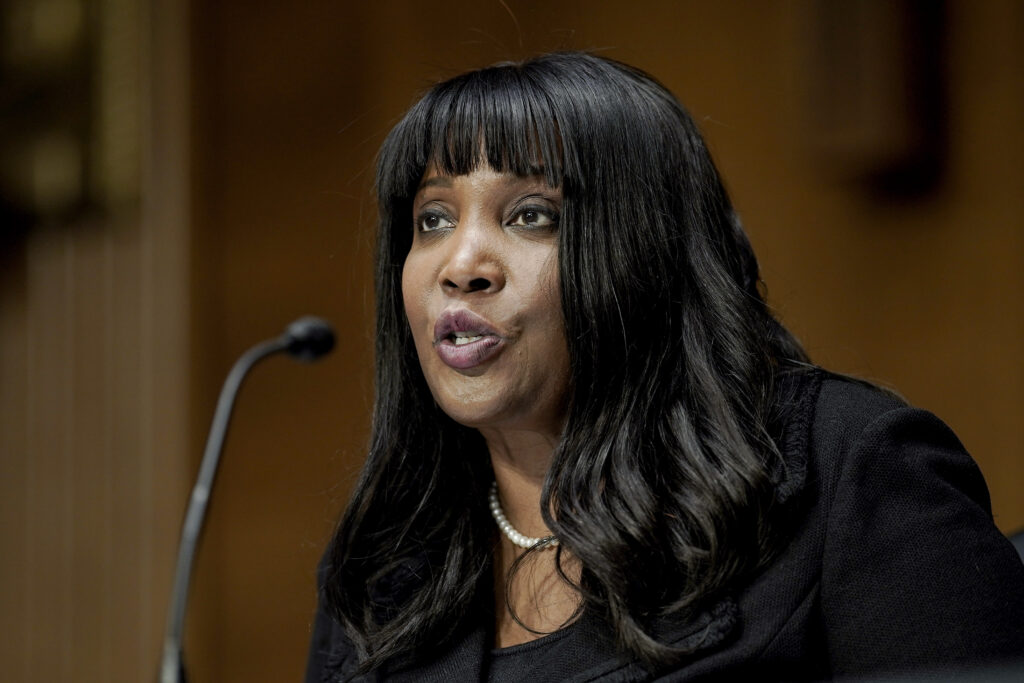
The U.S. Supreme Court will allow Federal Reserve Governor Lisa Cook to keep her job, until it hears a case in January over President Donald Trump’s efforts to remove her.
Trump tried to remove Cook from her position on the Board of Governors of the Federal Reserve System in August, citing his authority under the Federal Reserve Act. That law grants the executive the power to remove a governor from the Federal Reserve for sufficient cause.
But Cook sued, arguing that Trump didn’t have sufficient cause to fire her. Trump cited allegations that Cook signed mortgage documents claiming two different homes as her “primary residence” in the same year. But those allegations appeared to contradict Cook’s bank documents that claimed only one home as a primary residence, and another as a vacation home.
A federal judge and the U.S. Court of Appeals blocked Trump’s attempts to remove Cook, before the president asked SCOTUS to weigh in on the matter. In a brief order issued Wednesday, the Court deferred Trump’s application for a stay pending an oral argument in the case in January 2026, allowing Cook to remain on the Board of Governors.
The ruling marks a departure by SCOTUS from other cases challenging Trump’s dismissal of leaders in independent agencies. Most recently, SCOTUS upheld Trump’s dismissal of Rebecca Slaughter — the last Democratic member of the Federal Trade Commission, despite nearly a century of court precedent protecting the official.
SCOTUS’ order allowing Cook to remain on the board isn’t a total surprise: In a separate lawsuit over Trump’s dismissal of National Labor Relations Board (NLRB) member Gwynne Wilcox, the majority carved out an exception for the Federal Reserve.
The court’s majority held that the president couldn’t arbitrarily fire Fed governors because the Reserve “is a uniquely structured, quasi-private entity that follows in the distinct historical tradition of the First and Second Banks of the United States.”