New Hampshire Enacts Strict New ID Rules for Absentee Voting
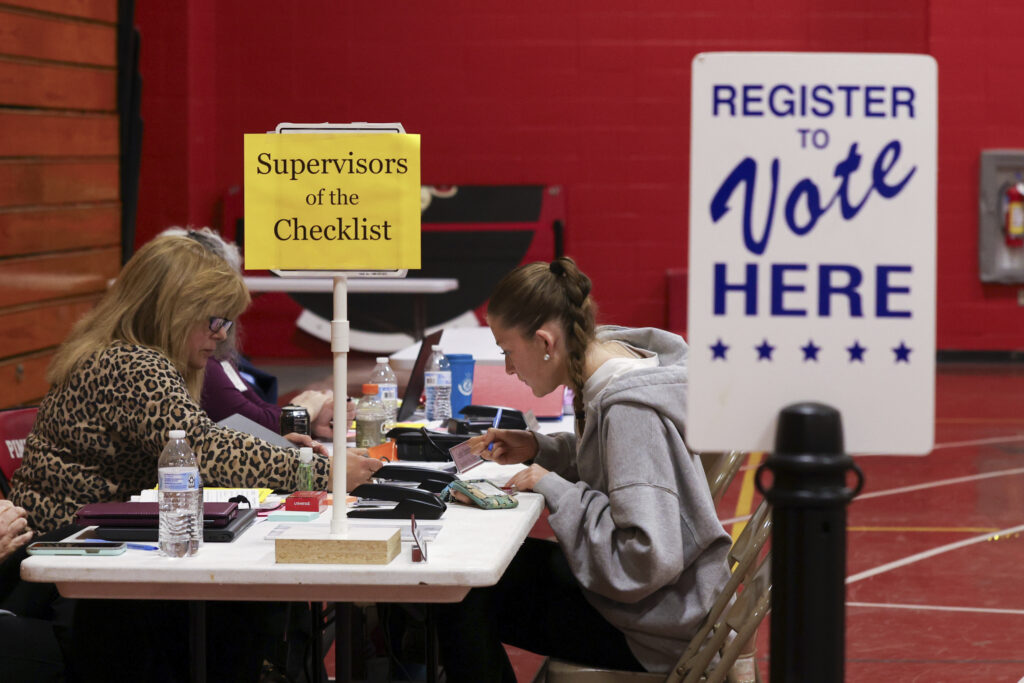
New Hampshire has enacted two new laws that will require absentee voters to submit photo identification and proof of U.S. citizenship to receive a ballot — even if they have previously registered and voted in the state.
Voting rights advocates warn the changes could disenfranchise thousands of eligible voters, particularly senior, student, low-income and rural voters.
The laws, Senate Bill 287 and Senate Bill 218, were signed Friday by Governor Kelly Ayotte (R) and are set to take effect in October, just before local elections.
Voters will now have to either present a valid photo ID in person when requesting a ballot or submit a notarized signature and a copy of their ID along with the application. They must also provide documentation proving U.S. citizenship, age and residency.
The laws build on voter ID legislation passed last year (HB 1569) that imposed similar documentation requirements for newly registered voters. That earlier law is currently being challenged in court by civil rights organizations, who say it creates unconstitutional barriers to the ballot.
“This proof-of-citizenship requirement is far from burdensome,” Secretary of State David Scanlan (R) wrote, defending the 2024 law. “The purpose of HB 1569 is to prevent debasement and dilution of New Hampshire citizens’ votes.”
Voting rights advocates strongly reject the state’s claims, arguing that the documentation requirements are not only unnecessary, but unconstitutional — and will disenfranchise eligible voters who lack immediate access to documents like passports or birth certificates.
“There is no evidence that any meaningful number of noncitizens have voted anywhere in the United States, much less in New Hampshire specifically,” the plaintiffs argued. “HB 1569 erects severe and needless barriers for voters in New Hampshire. The resulting disenfranchisement and other burdens, moreover, are certain to fall disproportionately on identifiable groups—including, but not limited to students and young people.”
A Democracy Docket investigation reviewed noncitizen voting inquiries in multiple states and found that despite partisan claims, there is no evidence of widespread noncitizen voter fraud.