Nearly half of Americans don’t want ICE at polls, survey shows
 Prefer us on Google
to see more of our voting rights news coverage when you search.
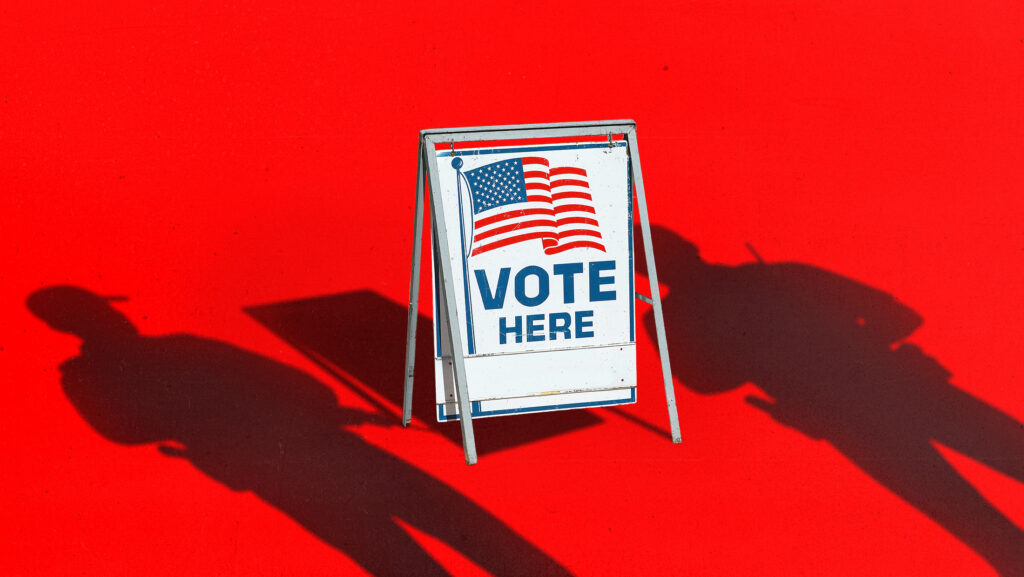
Deploying Immigration and Customs Enforcement (ICE) agents to the polls is illegal. And it’s deeply unpopular among voters.
Nearly half of Americans in a bipartisan sample strongly oppose ICE at polling places, according to a new Numbers/Verasight poll. In the survey of 1,528 adults, 39% also strongly oppose National Guard presence at polls and 44% strongly oppose the military seizing voting machines or ballots.
Get updates straight to your inbox — for free
Join 350,000 readers who rely on our daily and weekly newsletters for the latest in voting, elections and democracy.
Public dissent comes as three major lawsuits were filed to block federal interference at polling places this month. From prominent civil rights groups and national Democrats to local prosecutors and everyday Americans, there’s significant opposition to the federal election interference that President Donald Trump and members of his administration have failed to rule out.
While some have decried alarm over the potential threats as fearmongering, those prepping to safeguard elections say comments directly from the president’s cabinet suggest a real threat.
Despite the opposition, a majority of respondents — 54% — said ICE presence would make no difference to their decision to vote in person. Just 10% of those surveyed said ICE agents at polls would make them “much less likely to vote.”
Although there was net negative support for in-person interference efforts, there is a significant partisan divide. More Republicans than Democrats surveyed support ICE and National Guardsmen at polling places this fall, as well as voting material seizures.
Notably, a majority of Republicans said they support Department of Justice monitors at polling places. That support comes as Assistant Attorney General Harmeet Dhillon works to follow through on a promise to deploy 1,000 monitors this fall.
Michigan Attorney General Dana Nessel (D) expressed concern over the mass DOJ monitoring program during a roundtable with top election officials last week, suggesting the move could signal “pre-litigation” and that the DOJ might “use that to manufacture something.”
A separate poll earlier this month revealed that more than half of Americans are worried about the state of democracy.