Missouri drops GOP-led bid to rig elections by excluding undocumented from census count
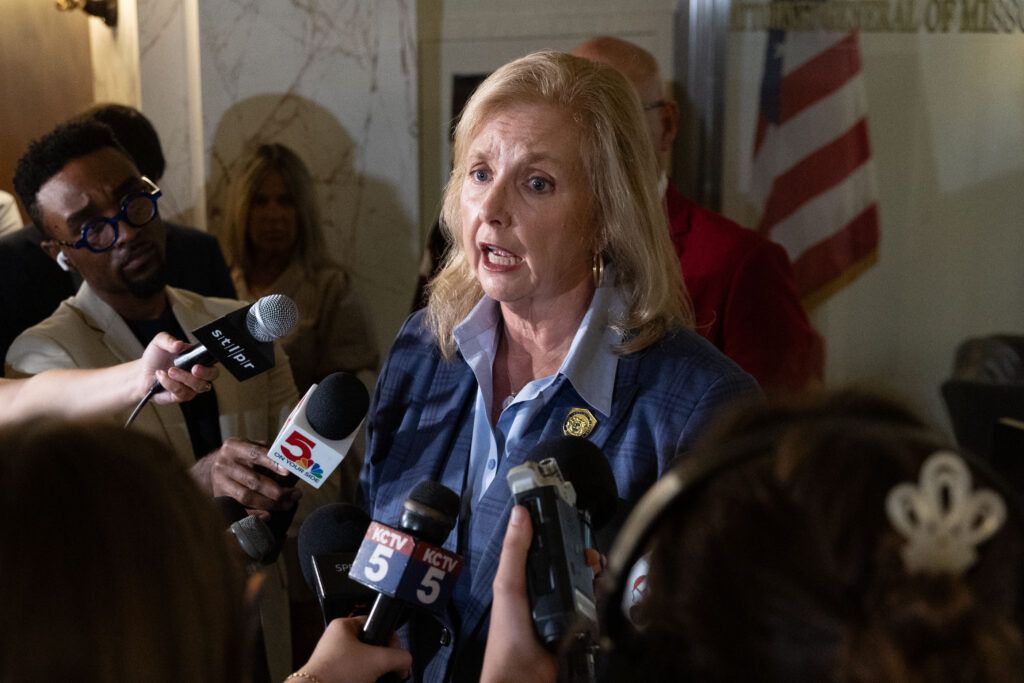
Missouri abruptly dropped a federal lawsuit Friday that sought to exclude some noncitizens from being included in the population count used to allocate seats in Congress and Electoral College votes among the states.
The voluntary dismissal ended the case before a court could rule on the sweeping constitutional challenge.
Missouri Attorney General Catherine Hanaway (R) and four Missouri voters filed the lawsuit in January against the U.S. Department of Commerce and the U.S. Census Bureau. The plaintiffs asked a federal court not only to change the rules for the 2030 census, but to effectively reopen the 2020 census and redo the 2021 congressional apportionment to exclude undocumented immigrants and some visa holders from the count.
Missouri dismissed its own case “without prejudice,” meaning the plaintiffs ended the lawsuit without a decision on the merits and retained the ability to bring another case in the future. The state’s filing does not explain why the plaintiffs chose to abandon the case.
Get updates straight to your inbox — for free
Join 350,000 readers who rely on our daily and weekly newsletters for the latest in voting, elections and democracy.
Hanaway’s office did not immediately respond to a request for comment. The lawsuit challenged the long-established practice of counting all residents for congressional apportionment regardless of citizenship status. The 14th Amendment directs that representatives be apportioned based on the “whole number of persons in each State.”
Hanaway launched the case with sweeping claims that noncitizens were improperly taking representation away from U.S. citizens and that states with large immigrant populations were benefiting at Missouri’s expense.
“The State of Missouri and its voters can no longer ignore the ongoing denial of their right to self-government and fair representation,” Hanaway said after filing the lawsuit. “United States citizens and lawful permanent residents have a right to representation, unlike illegal aliens and temporary visa holders.”
The current census system Hanaway attacked doesn’t only benefit Democratic-led states. The Census Bureau counts a state’s total resident population — citizens and noncitizens alike — for congressional apportionment, and that same system helped fuel representation gains in Republican-led states including Texas and Florida.
The constitutional question at the center of Missouri’s case has never been squarely resolved by the U.S. Supreme Court. In 2020, the Court declined to decide whether President Donald Trump could exclude undocumented immigrants from the population count used for congressional apportionment, finding that challenge premature because it was unclear how the policy would ultimately be implemented.
Missouri’s voluntary dismissal came just eight days after the Census Bureau proposed a major change of its own.
Under the proposed rule, the bureau said it had preliminarily determined that undocumented immigrants and some other noncitizens should be excluded from the population used to apportion House seats after the 2030 census.
The proposal is not yet final.
It also came as the Missouri case approached a key deadline. Earlier Friday, U.S. District Judge John Ross rejected the federal government’s request to postpone its Sept. 21 deadline to respond to Missouri’s complaint.
.
A separate Republican-backed challenge to the 2020 census remains alive at the U.S. Supreme Court.
In that case, plaintiffs represented by the right-wing organization America First Legal challenged Census Bureau statistical methods they say distort congressional apportionment. A federal three-judge panel in Florida dismissed that case with prejudice in July, and the plaintiffs appealed directly to the U.S. Supreme Court.