Mississippi’s tight Senate race could hinge on ‘affidavit’ ballots
 Prefer us on Google
to see more of our voting rights news coverage when you search.
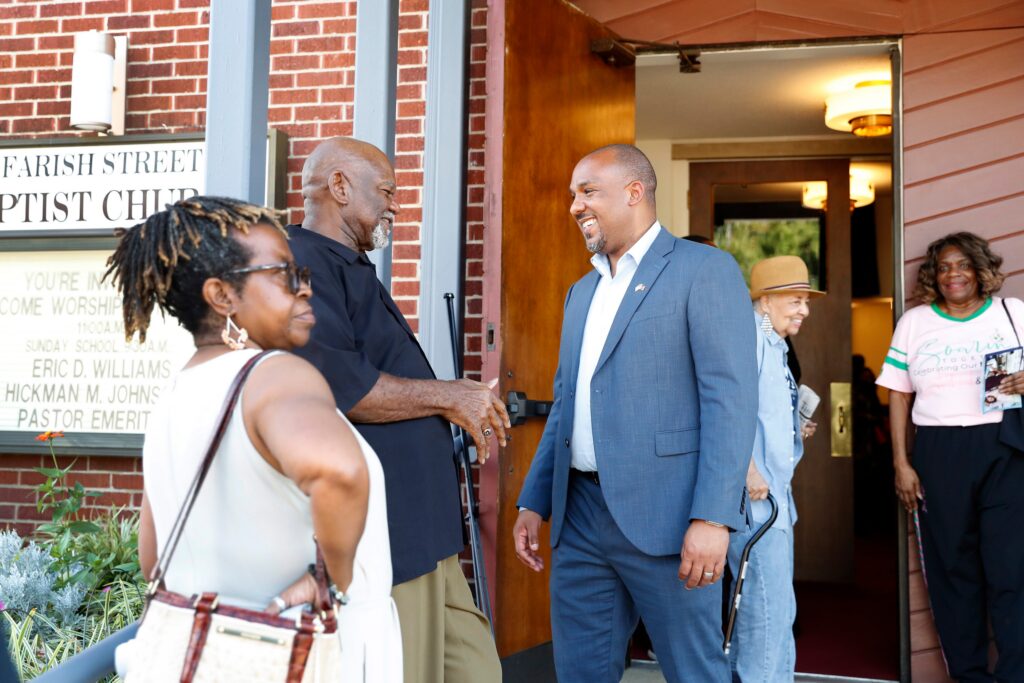
With less than a busload of votes separating Democratic Senate candidate Scott Colom and incumbent Sen. Cindy Hyde-Smith (R) Wednesday, the shockingly tight Mississippi race* may come down to the count of provisional ballots.
Like other states, Mississippi allows voters who don’t appear on local polling precincts’ registration records to cast a provisional, or “affidavit,” ballot. But unlike in most other states, Mississippians cast huge numbers of affidavit ballots this year, after Secretary of State Michael Watson (R) flagged 230,000 voter registrations as “inactive.”
Affected voters could still vote Tuesday, but had to use an affidavit ballot. How Mississippi counts those ballots — and whether the Republican Party challenges them — could have a significant impact on the election’s outcome.
The Colom campaign estimated that between 10,000 and 15,000 affidavit ballots remained outstanding as of late Tuesday night, Mississippi Today reported.
On Wednesday morning, Colom spoke to supporters, urging voters to make sure their affidavit ballots count. “We will protect the process of this election. We will protect the integrity of this election,” he said, while providing guidance for confirming a ballot has been successfully verified.
Get updates straight to your inbox — for free
Join 350,000 readers who rely on our daily and weekly newsletters for the latest in voting, elections and democracy.
Under state law, Mississippi election officials must count affidavit ballots provided that the voter was previously registered in the precinct where they attempted to vote, the voter and the precinct’s poll manager properly signed the affidavit ballot’s envelope, and the voter provides acceptable voter identification within five business days of Election Day.
Voters who showed ID on Election Day to the local poll workers satisfy the law’s verification provisions.
Election officials will review those ballots, along with mail ballots arriving within Mississippi’s five-day grace period for votes postmarked by Election Day, and add them to the final tally over the next few days.
This process will be closely watched by both campaigns and could lead to litigation. Unlike most states, Mississippi doesn’t have a recount law, but candidates can try to sue to exclude or include certain ballots from the final count.
Mississippi’s certification deadline for local election offices is Nov. 13, and the state’s certification deadline is Dec. 3.
*The Elias Law Group (ELG) represents the Democratic Senatorial Campaign Committee, and is active in the legal effort on behalf of the Colom campaign. ELG Firm Chair Marc Elias is the founder of Democracy Docket.