40 days past deadline, DOJ to remain in violation of Epstein Transparency Act
 Prefer us on Google
to see more of our voting rights news coverage when you search.
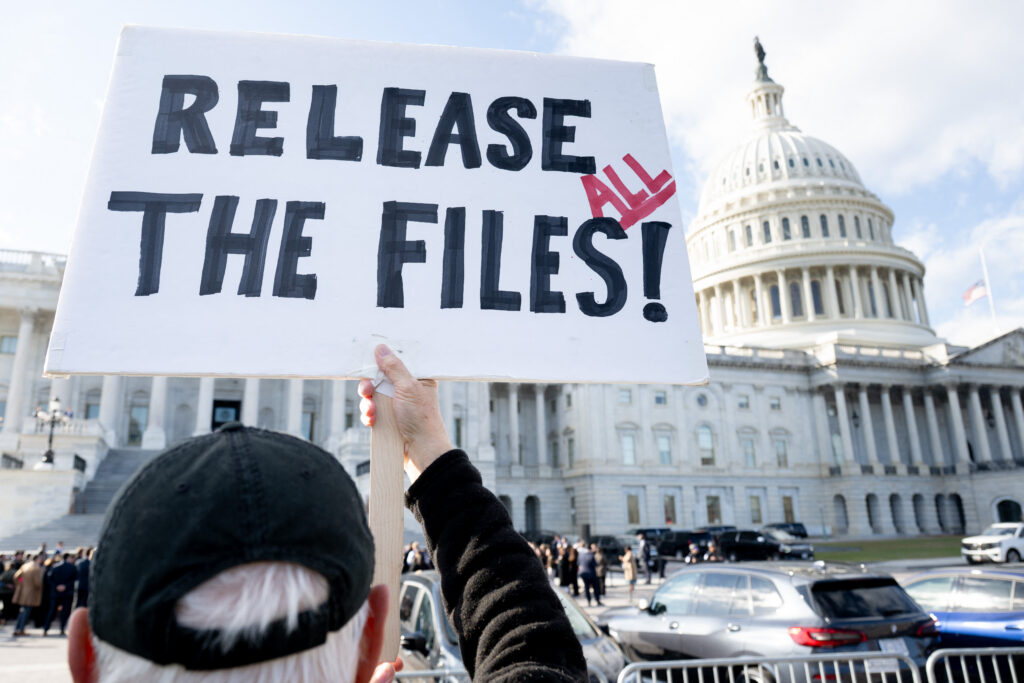
For over a month, the Department of Justice (DOJ) has been in violation of bipartisan legislation requiring it to release all files in its possession about convicted sex trafficker Jeffrey Epstein — and it’s planning to remain in violation for the near future.
In a Tuesday court filing, the department failed to offer a clear release date for the files, saying it continued to redact them to protect Epstein’s victims. The full release will come “in the near term,” U.S. Attorney for the Southern District of New York Jay Clayton said in the document.
Get updates straight to your inbox — for free
Join 350,000 readers who rely on our daily and weekly newsletters for the latest in voting, elections and democracy.
The DOJ provided Tuesday’s update as part of its criminal case against Epstein’s longtime accomplice and girlfriend Ghislaine Maxwell. It comes 40 days after the DOJ failed to comply with the initial release Dec. 19 deadline, established in the Epstein Transparency Act.
Passed by Congress and signed into law by President Donald Trump in November, the Act attempted to force the DOJ to publicly reveal all records it had gathered over the past two decades through investigations into Epstein, who died by suicide while in custody in 2019.
The DOJ has largely slow-walked the release. It has also heavily redacted pages and photos, even though the law expressly states that “no record shall be withheld, delayed, or redacted on the basis of embarrassment, reputational harm, or political sensitivity, including to any government official, public figure, or foreign dignitary.”
And it also at times pulled files from its online database without initially informing the public.
The department has largely countered criticism by claiming its delays and evasions aligned with a “carveout to protect victims.”
Three weeks after the initial release deadline, the law’s cosponsors, Reps. Ro Khanna (D-Calif.) and Thomas Massie (R-Ky.), submitted a letter requesting that the federal judge in New York overseeing the case appoint an independent monitor to force the department to comply.
Attorney General Pam Bondi is “egregiously violating” the law, Massie wrote in a Jan. 8 joint letter.
But the judge denied their request, saying neither party directly involved in the case requested the appointment.
That was 20 days ago. Nothing has changed since.
In his filing Tuesday, Clayton cited “manual review” of the documents as one reason for the delay, characterizing the work as a “substantial undertaking.”
Earlier this month, the DOJ said it had released just 1% of Epstein files — or 12,285 out of over 2 million documents. The most recent filing, co-signed by both Bondi and Deputy Attorney General Todd Blanche, notes that the DOJ has been reviewing “millions of pages of documents” to prepare for release.
In the filing, Clayton stated that manual review has included “name-related searches” of victims and potential victims to ensure redactions are made when requested. The letter also invited victims and their representatives to reach out to the DOJ with any concerns about the files’ publication.
But Epstein’s survivors have been outspoken with their concerns about the partial release of the files. Many previously urged Congress to pass the Epstein Transparency Act.