Judge rules Virginia unlawfully denied voting rights to hundreds of thousands
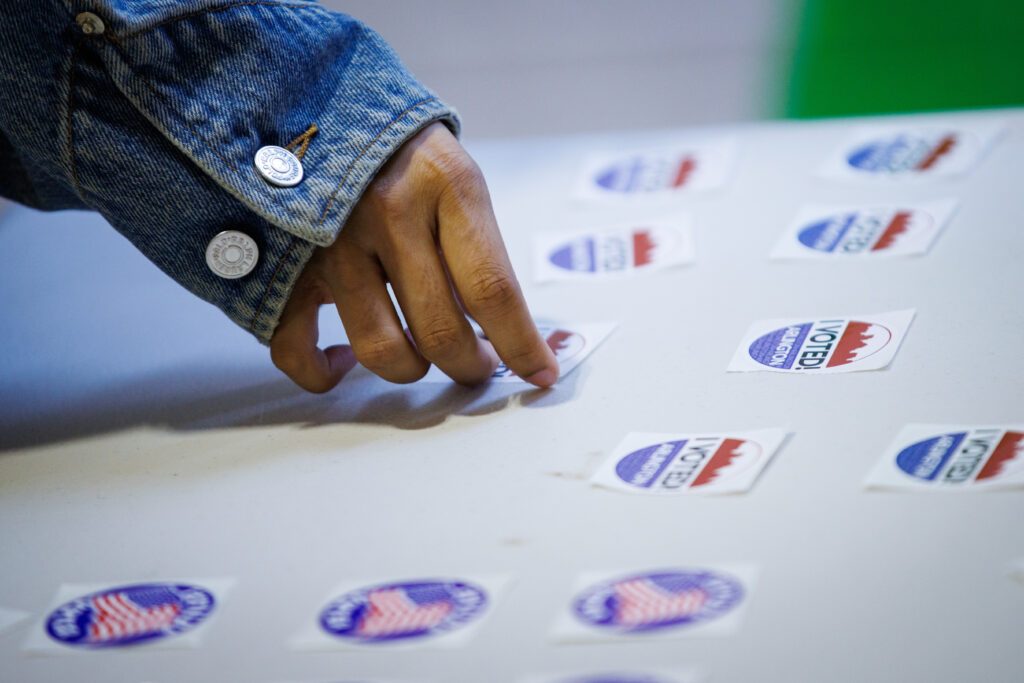
A federal court ruled Thursday that Virginia’s lifetime voting ban for people with certain felony convictions violates federal law — a landmark decision that could restore voting rights to hundreds of thousands of Virginians, especially Black residents long targeted by the ban.
U.S. District Court Judge John Gibney, appointed by former President Barack Obama, ruled that Virginia’s constitution unlawfully strips voting rights far beyond what Congress allowed when it readmitted the state to the Union after the Civil War.
Get updates straight to your inbox — for free
Join 350,000 readers who rely on our daily and weekly newsletters for the latest in voting, elections and democracy.
The postwar law — the Virginia Readmission Act of 1870 — was designed specifically to protect the political power of newly freed Black Americans.
“For well over a century, the Commonwealth of Virginia has disobeyed a federal law designed to protect the right of former enslaved people to vote,” Gibney wrote. “When the United States started to readmit the rebellious slave states after the Civil War, Congress feared that the former Confederate powers would invent new crimes with which they could disenfranchise Black Americans.”
Virginia’s current constitution permanently bars anyone convicted of a felony from voting unless their rights are restored by the governor — a discretionary process that has historically and disproportionately disenfranchised Black residents.
“The Virginia Readmission Act means what it says: Virginia cannot amend its Constitution to disenfranchise citizens except as ‘punishment for such crimes as’ were then ‘felonies at common law’ in 1870,” the judge added. “If its amended Constitution disenfranchises someone for any other reason, the Commonwealth violates the Act.”
In plain terms, the decision means Virginia cannot continue to bar people from voting for most modern felony convictions — including many drug offenses — because those crimes did not exist as felonies under common law in 1870.
The court identified a very narrow list of crimes that qualified at the time, sharply limiting who can legally be disenfranchised today.
“I am overjoyed at today’s ruling and what it means for thousands of Virginians,” Tati King, the lead plaintiff in the case, said following the ruling. “After so many years of fighting for my rights, I will finally be able to participate in our democracy and exercise my vote as an American citizen.”
The court’s decision does not end felony disenfranchisement entirely in the state but the ruling lands as Virginia voters prepare to weigh an even broader reform.
Last week, the General Assembly passed a proposed constitutional amendment that would automatically restore voting rights to people with felony convictions once they are released, ending the governor-controlled restoration system altogether.
If voters approve it later this year, Virginia would finally abandon one of the harshest disenfranchisement regimes in the country.