Judge Sees ‘Profound Investigative Missteps’ in Trump’s Comey Prosecution
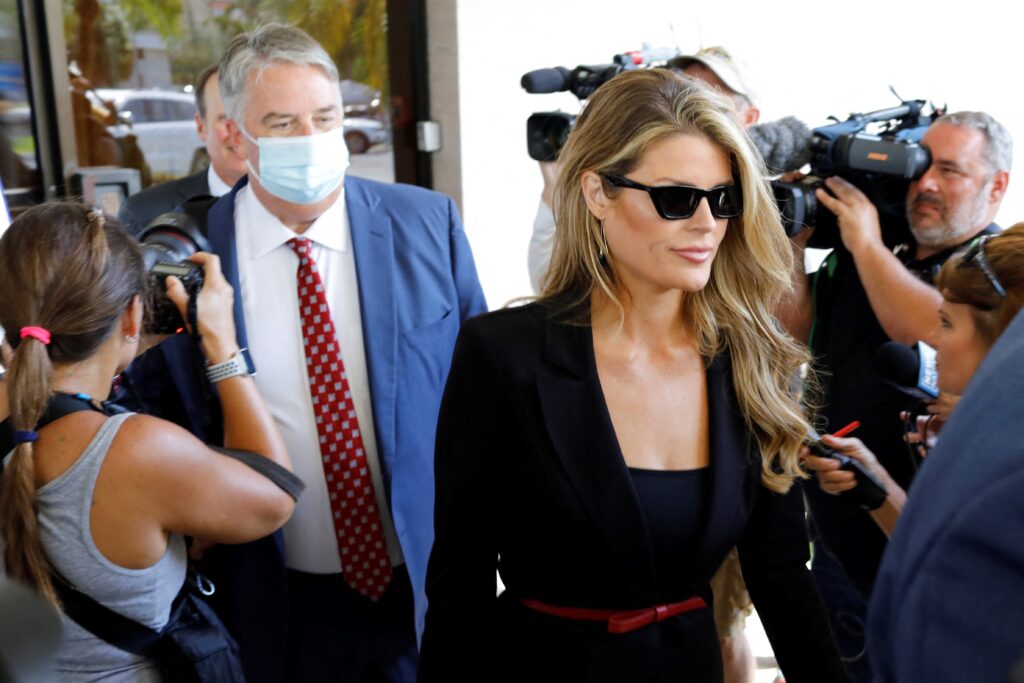
A federal judge ordered the Department of Justice (DOJ) to give former FBI Director James Comey all materials it presented to a grand jury to secure a two-count indictment against him in September.
The order marks a significant blow to the DOJ’s case against Comey, which is part of President Donald Trump’s wider effort to wield the department against his longtime perceived enemies.
In his ruling Monday, Magistrate Judge William Fitzpatrick said his review of the materials revealed “substantive irregularities” and apparent errors by Lindsey Halligan, one of Trump’s former personal attorneys turned temporary U.S. attorney.
These concerns, the judge said, may arise to “misconduct” on the part of the DOJ and warrant disclosure of grand jury materials to Comey — a move that almost never happens in criminal proceedings.
Get updates straight to your inbox — for free
Join 350,000 readers who rely on our daily and weekly newsletters for the latest in voting, elections and democracy.
“The Court recognizes that the relief sought by the defense is rarely granted,” Fitzpatrick wrote. “However, the record points to a disturbing pattern of profound investigative missteps, missteps that led an FBI agent and a prosecutor to potentially undermine the integrity of the grand jury proceeding.”
“Here, the procedural and substantive irregularities that occurred before the grand jury, and the manner in which evidence presented to the grand jury was collected and used, may rise to the level of government misconduct resulting in prejudice to Mr. Comey,” the judge added.
Fitzpatrick directed the DOJ to turn over all materials, including complete audio recordings of the grand jury proceedings, to Comey before the end of the day Monday.
Monday afternoon, the DOJ asked U.S. District Judge Michael Nachmanoff, who is overseeing its prosecution of Comey, to stay Fitzpatrick’s order, claiming it “is contrary to law.”
The indictment against Comey accused him of making false statements during a Senate Judiciary Committee hearing in September 2020 and, in that manner, obstructing a congressional investigation into the FBI’s Russian election interference probe.
Trump has long vowed to take revenge on Comey for the bureau’s investigation into alleged links between his 2016 presidential campaign and Russia.
Comey requested the grand jury materials last month, alleging that Halligan may have presented private communications with his attorneys to the grand jury in a potential violation of attorney-client privilege.
Halligan had no prosecutorial experience when she presented the case against Comey. Trump installed her as the interim U.S. attorney for the Eastern District of Virginia after ousting her predecessor for raising concerns about the viability of charges against Comey.
Fitzpatrick Monday said it appeared Halligan made two “fundamental misstatements of the law” while presented before the grand jury, though the judge redacted her specific statements.
First, Halligan appeared to tell the jury that Comey would not have a Fifth Amendment right to not testify at trial, which, the judge wrote, “ignores the foundational rule of law that if Mr. Comey exercised his right not to testify the jury could draw no negative inference from that decision.”
Second, Fitzpatrick said Halligan appeared to tell the jury that it did not have to rely on the evidence before it to approve an indictment.
“That statement clearly suggested to the grand jury that they did not have to rely only on the record before them to determine probable cause but could be assured the government had more evidence–perhaps better evidence–that would be presented at trial,” the judge wrote.
The magistrate judge also raised concern about the sourcing of the evidence Halligan presented to the jury, which derived from four FBI search warrants against Daniel Richman, one of Comey’s former personal attorneys. The warrants, executed in 2019 and 2020, related to a separate investigation against Comey initiated during Trump’s first term.
Fitzpatrick said it appeared that Halligan and the DOJ used evidence gathered during the previous investigation in their new probe against Comey without seeking a new search warrant.
“Under long-standing Fourth Amendment precedent, the government may search for and seize only those materials expressly authorized by the terms of a search warrant issued in connection with specific predicate offenses,” the judge noted.
Halligan’s presentation before the grand jury relied on testimony from one FBI agent who may have reviewed material subject to attorney-client privilege between Comey and Richman, Fitzpatrick said.
“The government’s decision to allow an agent who was exposed to potentially privileged information to testify before a grand jury is highly irregular and a radical departure from past DOJ practice,” the judge stated.
Fitzpatrick’s order raises the possibility that the DOJ’s case against Comey could be dismissed before it goes to trial.
If it is dismissed, either with or without prejudice, the DOJ will not be able bring the case again, as the statutes of limitations on the alleged crime ended just days after Halligan secured the indictment against Comey.
In addition to Comey’s allegation that irregular grand jury proceedings tainted the case, he also contends that Trump and Attorney General Pam Bondi unlawfully appointed Halligan as interim U.S. attorney.
A judge finding that Halligan was unlawfully appointed would also sink the case, as she initially was the only DOJ official to sign on to the Comey indictment.
Bondi has attempted to retroactively ratify Halligan’s actions by claiming that she personally reviewed the Comey grand jury proceedings. She also said that Halligan was carrying out duties delegated to her by the attorney general. It remains unclear what effect this could have on the case.
A determination that Halligan was unlawfully appointed would also likely shatter the department’s case against New York Attorney General Letitia James, another longtime perceived Trump foe who was also indicted by Halligan earlier this year.
“The Court is finding that the government’s actions in this case–whether purposeful, reckless, or negligent–raise genuine issues of misconduct, are inextricably linked to the government’s grand jury presentation, and deserve to be fully explored by the defense,” Fitzpatrick wrote.
This story has been updated with additional details throughout.