Gov. DeSantis: Florida legislature will take up redistricting in April
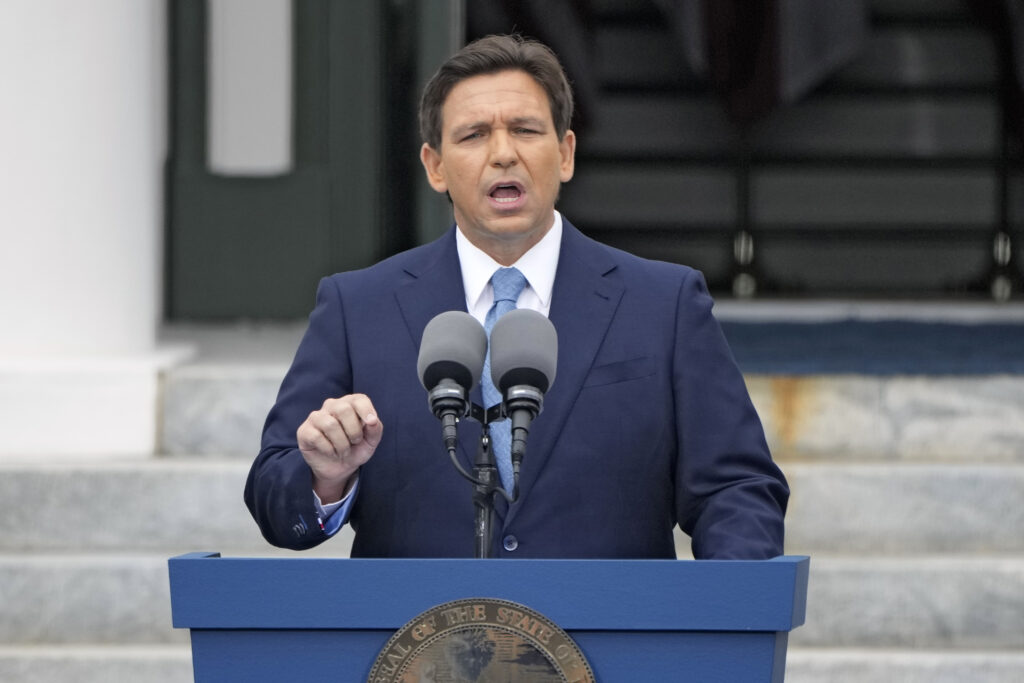
With the Florida legislature set to convene next week, Gov. Ron DeSantis (R) announced Wednesday that he will call a special session on redistricting in April, adding the Sunshine State to the list of places where Republicans aim to give themselves an electoral advantage in the 2026 midterm elections.
Florida’s congressional delegation is currently made up of 20 Republicans and eight Democrats.
State lawmakers were expected to take up redistricting earlier, during their scheduled session in January.
Get updates straight to your inbox — for free
Join 350,000 readers who rely on our daily and weekly newsletters for the latest in voting, elections and democracy.
DeSantis said the delay would “allow the Legislature to first focus on the pressing issues facing Floridians before devoting its full attention to congressional redistricting in April.”
In a social media post, DeSantis said the redistricting session would “ensure that Florida’s congressional maps accurately reflect the population of our state.”
But there was another reason for the delay: “there’s a Supreme Court decision that’s going to affect the validity of some of these districts nationwide, including some of the districts in the state of Florida,” DeSantis said during a press conference.
He was referring to Louisiana v. Callais, a case that could have sweeping implications for redistricting.
Though states typically redraw their maps once per decade after each new census, this past year several states have taken up redistricting mid-decade after President Donald Trump called on GOP-controlled states to redraw their congressional maps and to create more Republican-friendly seats.
Texas, Missouri and North Carolina answered the president’s call, quickly passing gerrymanders to give Republicans a leg up in the 2026 midterms.
Californians then voted to approve a new congressional map for their state and offset GOP gains. Virginia Democrats are working to pass a similar measure.
In December, the GOP-controlled Indiana Senate rejected Trump’s redistricting demands, refusing a redraw. Meanwhile, Maryland Democrats remain divided about whether to enter the national redistricting arms race.
Florida voters passed a ban on partisan and racial gerrymandering in 2010 — though the state’s GOP-controlled Supreme Court greenlit a Republican gerrymander earlier this year.
To add to the complexity, the Supreme Court may take rule on Louisiana v. Callais as soon as Friday. In that case, the court’s conservative majority is expected to weaken the Voting Rights Act, making it significant easier for states to dismantle majority minority districts when they redraw congressional maps.
Anticipating a favorable ruling in the Callais case, Louisiana Republicans already voted to delay the state’s 2026 election calendar in hopes of passing a new congressional map advantageous to the GOP after the decision is released.