DOJ to Sue Georgia as Even Red States Resist Demand for Voter Rolls
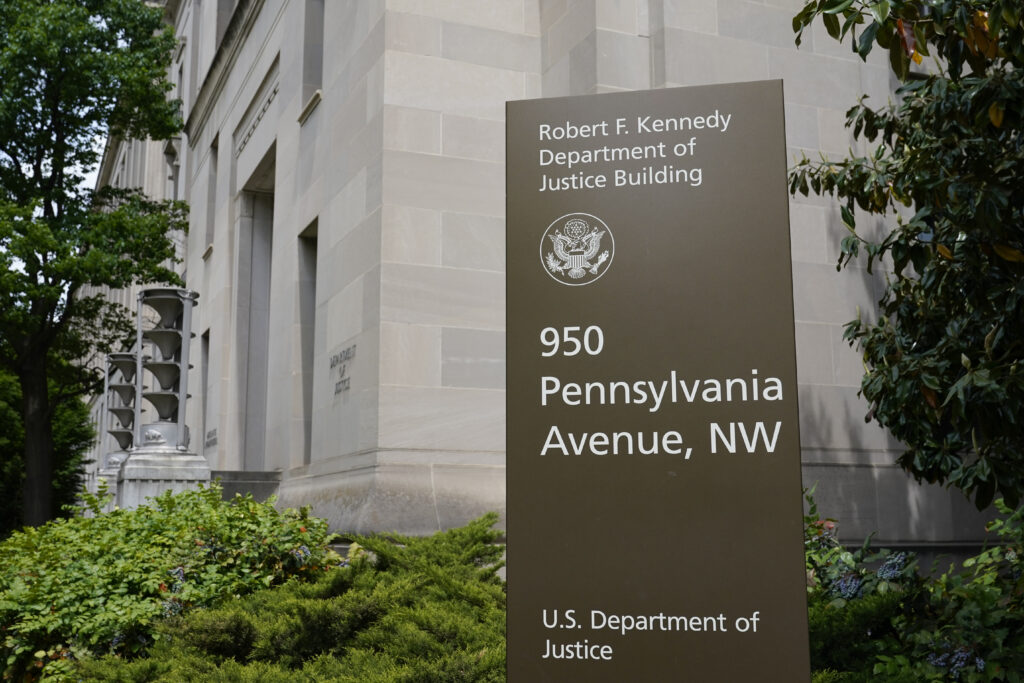
Even many Republican-led states are resisting the Trump administration’s sweeping demands for unredacted voter records.
And the U.S. Department of Justice (DOJ) says it’s readying to sue Georgia, a key GOP-led swing state, after being told to “pound sand” over the issue. Other red states have expressed “serious concerns” about handing over the voter data, a top DOJ official revealed.
The news confirms that opposition to the DOJ’s attempted voter-roll grab is bipartisan, and underscores growing nationwide alarm over a federal effort that voting rights advocates warn threatens voter privacy and election security.
Get updates straight to your inbox — for free
Join 350,000 readers who rely on our daily and weekly newsletters for the latest in voting, elections and democracy.
Harmeet Dhillon, who leads DOJ’s Civil Rights division, said Wednesday that the department will sue Georgia and other states over their recalcitrance.
“Georgia is one of the states that this week told me to go pound sand and is not going to give me their voter data,” Dhillon told the conservative commentator Benny Johnson. “So we will be suing Georgia to get that information.”
“There are going to be a few more lawsuits filed even later this week,” Dhilon added. “I will get through all 50 states.”
In a letter sent Monday to DOJ, obtained by Democracy Docket, a top aide to Georgia Secretary of State Brad Raffensperger (R) provided a redacted state voter list and detailed a lengthy list of measures the state takes to remove voters from the rolls.
“Georgia law prohibits the disclosure of voters’ full date of birth, social security number, and driver’s license number,” wrote the aide, General Counsel Charlene McGowan. “Accordingly, in compliance with state law, and in consultation with the Georgia Attorney General’s office, the voter list provided excludes ‘sensitive information that implicates special privacy concerns’. Nevertheless, the records that we are submitting are more than sufficient to demonstrate Georgia’s compliance with the NVRA.”
DOJ has cited the need to ensure compliance with the National Voter Registration Act (NVRA) in demanding that states hand over their voter data.
“Georgia has the cleanest voter rolls in the country because we verify citizenship through the federal SAVE database, use SSA data to remove dead voters, and share data with other states to identify and remove voters who have moved,” Raffensperger said in a statement to Democracy Docket. “We were more than willing to share our nation-leading list maintenance practices and public voter roll data with the DOJ on December 8 at their request, and we look forward to working together to eliminate the federal barriers that prevent even cleaner voter rolls.”
Dhillon also told Johnson Wednesday that other Republican officials have joined Democrats in refusing to turn over complete statewide voter rolls that include name, birth dates, home addresses, driver’s license and Social Security numbers.
“I also have a delegation of Republican secretaries of state coming to me — they just sent me a lengthy letter with their serious concerns about turning over their voter rolls,” Dhillon revealed, for some reason. “So this is a bipartisan problem, to be very frank.”
“I don’t know why any secretary of state who’s trying to do their job correctly would want to withhold the voter rolls from the federal government that can help them do their jobs, which frankly they’re not doing,” she continued.
Four Republican-led states — Florida, Indiana, Iowa, and Ohio — have agreed to hand over their voter data to DOJ, the department has said. Dhillon said Wednesday the department has “pending resolutions” with 12 more states.
Even if all those states are led by Republicans, that leaves around 12 more states with GOP chief election officials who appear unwilling to come to an agreement with the administration.
DOJ has already filed lawsuits against 14 states — all but two of them with Democratic chief election officials.
Dhillon’s comments deepen fears that the Trump DOJ is building a national database of sensitive voter information while refusing to explain how the government would store, secure or use it. Voting rights groups have repeatedly warned that harvesting personal data on millions of voters invites abuse — particularly under a Justice Department leadership that has echoed Trump’s baseless claims about widespread voter fraud.